
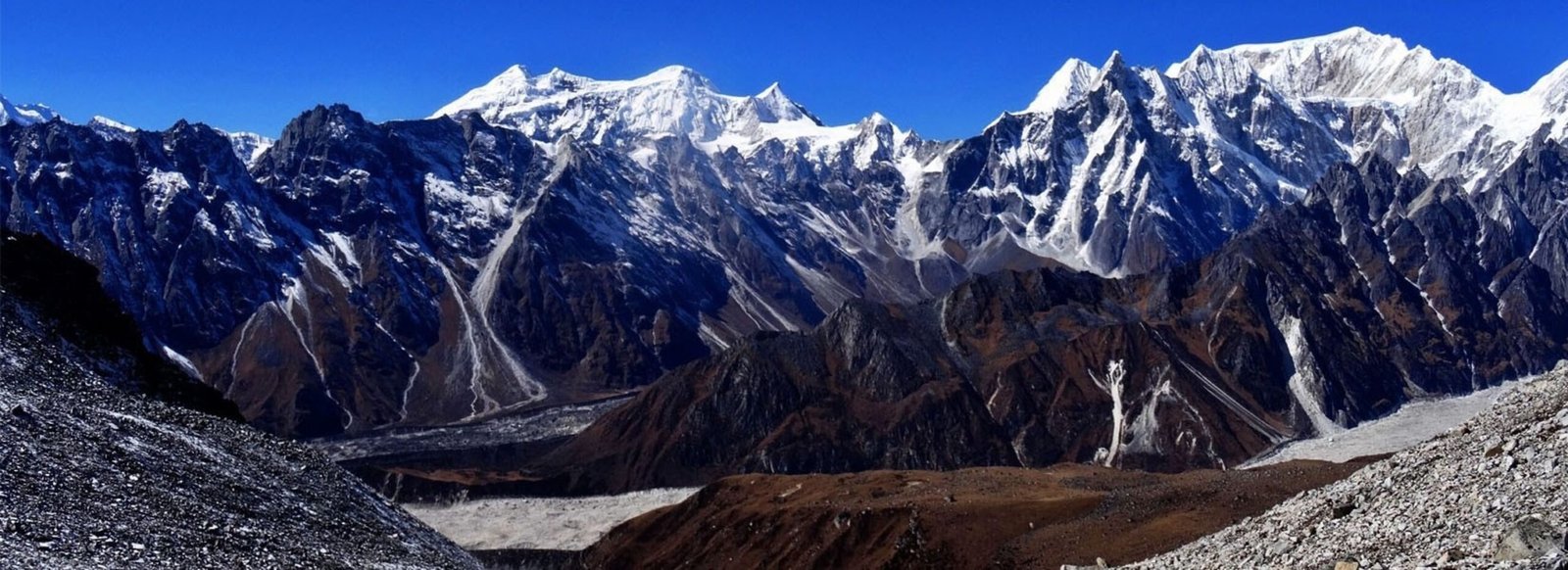
The Nar Phu Valley Trek is one of Nepal’s most rewarding off-the-beaten-path trekking adventures. Located in the Annapurna region, this journey takes you through traditional Himalayan villages, ancient Buddhist monasteries, dramatic mountain valleys, and spectacular high-altitude landscapes.
Unlike busier trekking routes, Nar Phu offers a quieter experience with opportunities to explore Tibetan-influenced culture and traditional mountain life.
If you’re planning a Himalayan adventure away from crowded trails, this guide covers the Nar Phu Valley Trek cost, itinerary, difficulty, permits, and best time to visit.
Where Is the Nar Phu Valley Trek?
Nar Phu Valley lies in north-central Nepal, within the Annapurna region. The route typically branches away from the main Annapurna Circuit near Koto before entering the remote Nar and Phu valleys.
Trekkers explore traditional settlements, ancient monasteries, narrow gorges, alpine landscapes, and dramatic mountain scenery. One of the main highlights is Kang La Pass, at approximately 5,320 metres, which offers spectacular views of the surrounding Himalayan peaks.
Travelers comparing remote trekking destinations can also explore the Nepal trekking packages offered by Natura Himalaya Tours
How Much Does the Nar Phu Valley Trek Cost?
The cost of the Nar Phu Valley Trek depends on the itinerary, group size, season, transportation, accommodation, and services included in your package.
Typical expenses include:
- Restricted-area and conservation-area permits
- Licensed trekking guide
- Accommodation and meals during the trek
- Transportation between Kathmandu and the trailhead
- Porter services, if required
- Travel insurance and personal trekking equipment
When comparing trekking packages, check the included services rather than choosing based on price alone.
For current pricing, itinerary details, and departure information, visit the Nar Phu Valley Trek with Natura Himalaya Tours.
Nar Phu Valley Trek Itinerary
The trek generally takes around 14–17 days, depending on the route and acclimatization schedule. Natura Himalaya Tours offers a 16-day Nar Phu Valley Trek.
A typical itinerary includes:
- Days 1–2: Arrive in Kathmandu and travel toward the Annapurna region.
- Days 3–4: Trek through mountain villages toward Koto.
- Days 5–7: Enter Nar Phu Valley and explore its remote settlements.
- Days 8–9: Visit Nar Village and prepare for the high mountain pass.
- Day 10: Cross Kang La Pass and descend toward Ngawal.
- Days 11–13: Continue through the Annapurna region.
- Days 14–16: Return toward the roadhead and travel back to Kathmandu, depending on the itinerary.
The exact schedule may vary. Choose an itinerary with sufficient acclimatization time and flexibility for changing mountain conditions.
How Difficult Is the Nar Phu Valley Trek?
The Nar Phu Valley Trek is challenging and best suited to trekkers with good physical fitness and previous high-altitude trekking experience.
The route includes long walking days, steep trails, uneven terrain, and elevations above 5,000 metres. Crossing Kang La Pass can be particularly demanding because of the altitude and changing weather conditions.
To prepare, build cardiovascular endurance, strengthen your legs, and practise walking on uneven terrain. Appropriate clothing and equipment are also essential. Our Nepal trekking packing list explains the essential gear to consider before your adventure.
Altitude sickness is a serious consideration at these elevations. Follow your guide’s advice, allow time for acclimatization, and understand the symptoms that require you to stop ascending and seek help.
What Is the Best Time for the Nar Phu Valley Trek?
Spring and autumn are generally the most popular seasons for trekking in the Nar Phu region.
Spring, from March to May, often brings milder temperatures and favorable trekking conditions. Autumn, from September to November, is also popular for its generally clear mountain views.
Winter can bring extreme cold and snow at higher elevations, while monsoon weather may affect trail conditions and access.
Conditions vary each year, so check current weather forecasts and route accessibility before departure. For broader seasonal planning, read our guide to the best time to trek in Nepal.
Do You Need Permits for the Nar Phu Valley Trek?
Yes. Nar Phu is a restricted trekking area, so special permits and applicable conservation-area permits are required.
Trekkers must arrange the necessary permits through an authorized trekking agency and follow current regulations regarding licensed guides and group requirements.
Permit fees and regulations can change, so confirm the latest requirements with your trekking operator before booking.
Is the Nar Phu Valley Trek Worth It?
The Nar Phu Valley Trek is an excellent choice for travelers seeking remote Himalayan landscapes, traditional villages, Buddhist culture, and a challenging high-altitude adventure.
Although it requires careful preparation, the opportunity to explore the hidden Nar and Phu valleys makes it a rewarding experience for adventurous trekkers.
Ready to explore this remarkable region? Discover the Nar Phu Valley Trek with Natura Himalaya Tours and review the itinerary, current price, and included services before planning your journey.


