
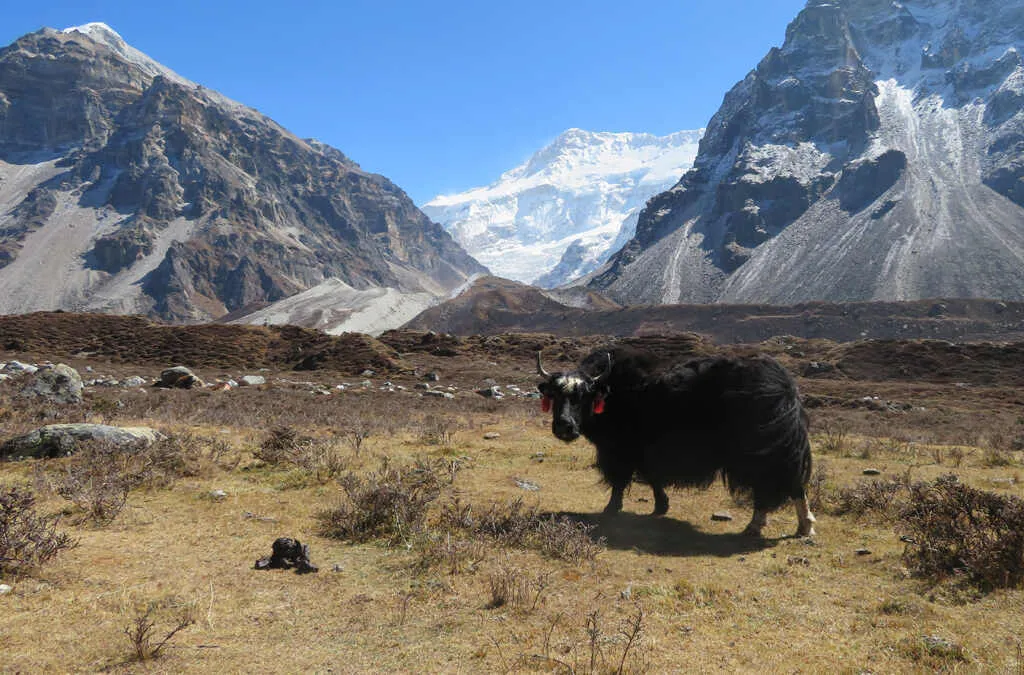
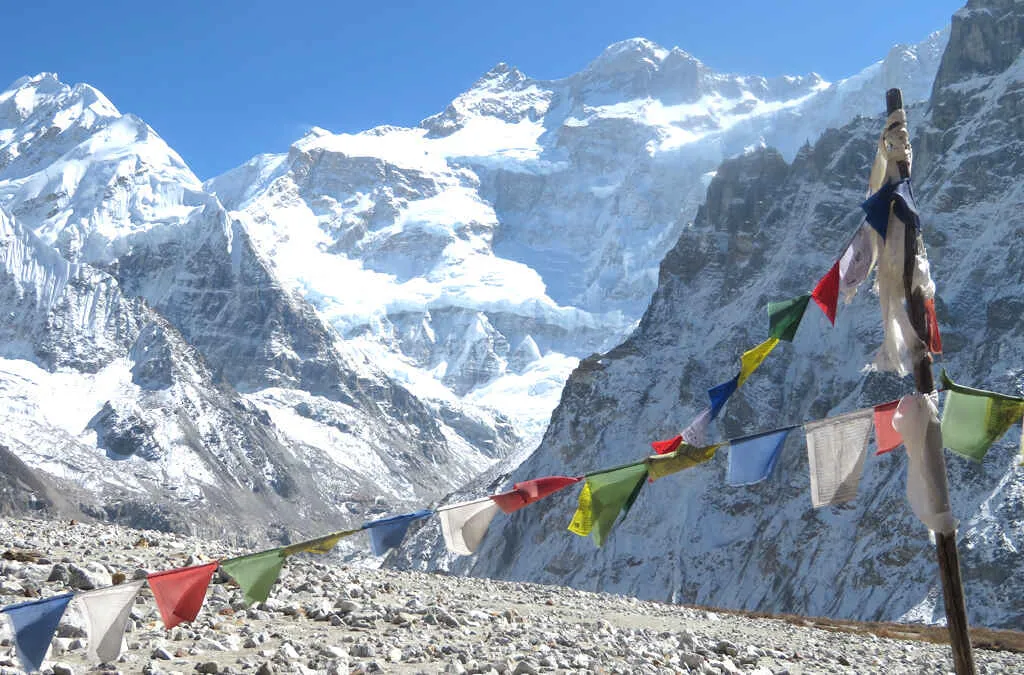
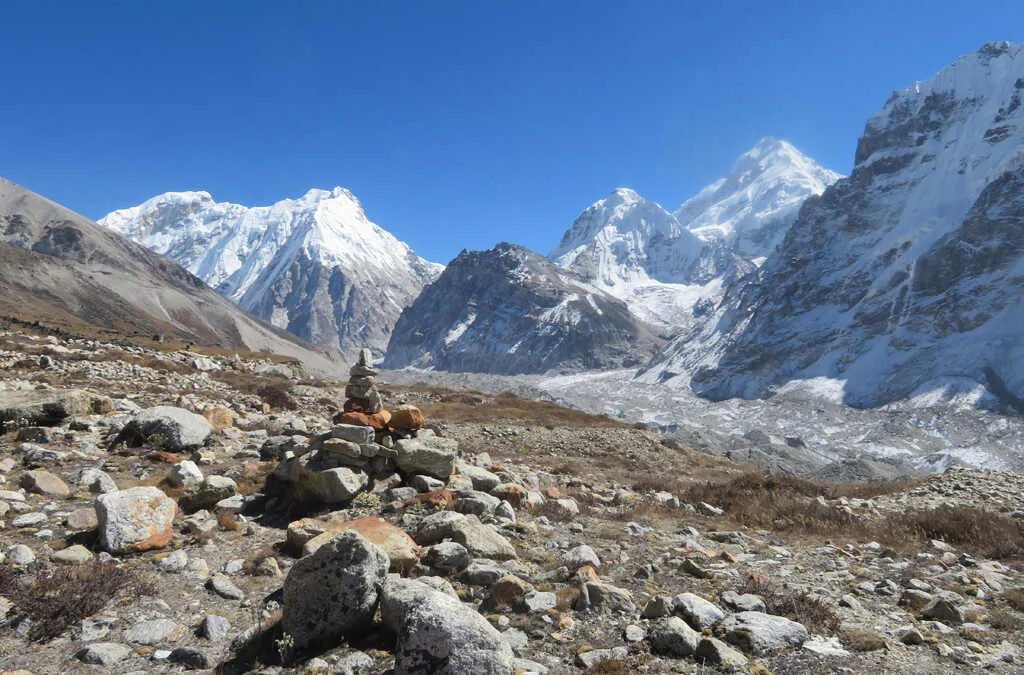
The Kanchenjunga Base Camp Trek in Nepal delivers an extraordinary Himalayan adventure that remains gloriously untouched by mass tourism. Winding through the pristine eastern Himalayas, this iconic trekking route rewards experienced trekkers with breathtaking alpine scenery, centuries-old Buddhist monasteries, and warm hospitality from local Limbu, Rai, and Sherpa communities. Starting with a scenic flight from Kathmandu’s bustling capital, you will travel past terraced farmlands and rushing rivers before stepping onto the trail. As you gain elevation, the landscape transforms from lush rhododendron forests to stark, glacial terrain adorned with fluttering prayer flags and ancient mani walls. The ultimate highlight awaits at Pangpema, the North Base Camp soaring to 5,143 meters, where panoramic views of Kanchenjunga’s colossal north face unfold in every direction. From the remote village of Ghunsa to the serene high-altitude lakes, every step of this trek reveals a remarkable blend of ancient culture and breathtaking natural beauty. With basic teahouse accommodations and camping options at higher elevations, combined with optimal conditions from March to May and September to November, the Kanchenjunga Base Camp Trek stands as one of Nepal’s most rewarding and authentic wilderness expeditions.
ℹ️ Price Information
The displayed price is based on one solo traveler. Lower prices are available when joining one of our scheduled group departures. Please see the Scheduled Departures & Group Discounts section below for available dates and discounted group rates.
Trip Information
-
Kathmandu
-
Kathmandu
-
Spring & Autumn
-
Hotel & Lodge
-
Car, Jeep & Plane
-
5,140 Meters
-
Meals on Trek
-
English, Spanish
-
01-12 People
-
All Trek Permits
-
Fully Guided Tour
-
NHT-273
Trip Overview
The Kanchenjunga Base Camp Trek is a premier wilderness expedition in eastern Nepal, leading adventurers to the foot of the world’s third-highest mountain, Mount Kanchenjunga (8,586m). Named from the Tibetan term “Kang-chen-zod-nga,” meaning “Five Treasures of the Great Snow,” this journey offers an unparalleled combination of dramatic Himalayan scenery, rich biodiversity, and authentic cultural encounters within the pristine Kanchenjunga Conservation Area.
This challenging 22 to 25-day trek traverses a spectacular diversity of landscapes, from subtropical rhododendron forests and terraced farmlands to alpine meadows, glacial rivers, and stark moraine zones above 5,000 meters. The Kanchenjunga Base Camp Trek delivers a rare Himalayan experience by allowing trekkers to visit both the North Base Camp at Pangpema (5,143m) and the South Base Camp at Oktang (4,730m) within a single expedition. These twin destinations provide unparalleled perspectives of Kanchenjunga’s formidable north and south faces, with prominent neighboring peaks including Yalung Kang and Kabru visible from both locations. This unique feature distinguishes the trek from other Himalayan routes and attracts seasoned adventurers seeking comprehensive mountain views.
Route & Terrain
The trek commences with a scenic flight from Kathmandu to Bhadrapur, followed by a jeep drive to the trailhead at Taplejung or Suketar. From there, the trail gradually ascends through a remarkable transition of ecological zones. The lower elevations feature dense subtropical forests of rhododendron, oak, and bamboo, alongside terraced farmlands and traditional villages. As trekkers gain altitude, the landscape transforms into open meadows, cascading rivers, and steep rocky ridges. Above the tree line, the terrain opens into vast alpine pastures, glacial moraines, and high-altitude passes, offering unobstructed vistas of the Kanchenjunga massif.
For those seeking additional adventure, the Lumba Sumba Pass (5,160m) route provides an alternative extension, offering fresh perspectives on the region’s dramatic topography and remote valleys. This high-altitude crossing demands excellent physical fitness and proper acclimatization but rewards with some of the most pristine and least-visited landscapes in the entire Himalayas.
Culture & Heritage
Beyond its natural grandeur, the Kanchenjunga region is a living museum of Himalayan culture. The trail winds through settlements inhabited by diverse ethnic groups, including the Limbu, Rai, Sherpa, and Tibetan-origin communities, each maintaining distinct languages, attire, and religious practices. Trekkers have the opportunity to stay in simple teahouses and engage with locals, experiencing their unique customs, traditional architecture, and warm hospitality that remain untouched by mass tourism.
Ancient monasteries such as Pangpema Gompa and Ramtang Gompa stand as spiritual landmarks along the route, where Buddhist prayer flags flutter in the wind and chortens mark the deep connection between the local people and the mountains. Depending on the season, visitors may witness vibrant local festivals featuring masked dances, ritual ceremonies, and traditional music, offering profound cultural enrichment that complements the trek’s physical challenges.
Flora, Fauna & Conservation
The Kanchenjunga Conservation Area, spanning over 2,000 square kilometers, is a biodiversity hotspot and a protected sanctuary for some of the world’s most rare and endangered species. Trekkers may encounter the elusive snow leopard, red panda, Himalayan black bear, and musk deer, along with numerous endemic bird species that thrive in this pristine environment. Botanically, the region is equally impressive, with springtime rhododendron blooms painting the lower slopes in vivid shades of red, pink, and white, while higher elevations reveal hardy alpine flora adapted to extreme conditions.
Designated as a Restricted Area by the Government of Nepal, the region requires special permits—the Kanchenjunga Conservation Area Permit (KCAP) and a Restricted Area Permit (RAP)—to protect its fragile ecosystem and cultural heritage. All foreign trekkers are required to travel with a licensed guide, ensuring responsible tourism practices and minimizing environmental impact while supporting local conservation efforts.
Best Seasons to Visit
The ideal windows for undertaking the Kanchenjunga Base Camp Trek are spring and autumn, when stable weather conditions offer clear skies, comfortable temperatures, and spectacular mountain views.
Spring (March to May): Warm days and extended sunlight hours characterize this season, providing comfortable trekking conditions across all elevations. The landscape comes alive with vibrant rhododendron blossoms along the lower sections of the trail, while the upper reaches reward trekkers with pristine views of the snow-covered summits. Expect daytime highs of 15°C to 20°C in the lower regions, with higher altitudes ranging from 5°C to 10°C during the day and sub-zero temperatures after sunset.
Autumn (September to November): Considered the peak trekking season, autumn offers crystal-clear skies, stable weather, and the best mountain visibility. The post-monsoon air is fresh and dust-free, providing unobstructed panoramic views of Kanchenjunga and its neighboring peaks. Daytime temperatures are pleasant, though nights become progressively colder as the season advances.
Trekkers are advised to avoid the monsoon months (June to August) due to heavy rainfall, landslides, and leech-infested trails, as well as the harsh winter season (December to February) when high passes become impassable due to deep snow and extreme cold.
Fitness & Experience Requirements
The Kanchenjunga Base Camp Trek is graded as strenuous and is recommended exclusively for experienced trekkers with prior high-altitude trekking experience above 4,500 meters. Participants should possess excellent cardiovascular fitness, stamina, and mental resilience to handle long walking days of 6 to 8 hours on steep, uneven terrain.
Proper acclimatization is essential for safety and success, with built-in rest days incorporated into the itinerary to allow the body to adjust to increasing altitudes. Trekkers must be aware of Acute Mountain Sickness (AMS) symptoms and follow the principle of “walk high, sleep low.” A comprehensive medical and travel insurance policy covering helicopter evacuation up to 6,000 meters is mandatory for all participants.
Permits & Logistics
The Kanchenjunga region is classified as a Restricted Area by the Government of Nepal, which means trekkers must secure two essential permits before embarking on this journey. The first is the Kanchenjunga Conservation Area Permit (KCAP), obtained through the Department of National Parks and Wildlife Conservation. The second is the Restricted Area Permit (RAP), which is issued specifically for this region by the Department of Immigration.
These documents cannot be acquired independently by foreign travelers. Instead, they must be arranged through a locally registered trekking agency in Nepal. Additionally, every international trekker is obligated to hire a government-certified guide who is licensed to operate in this restricted zone. These requirements are not merely bureaucratic formalities—they are vital measures designed to preserve the delicate ecosystems, protect the region’s cultural integrity, and ensure visitor safety in this remote corner of the Himalayas.
Accommodation throughout the journey varies by altitude. In the lower and mid-elevations, trekkers will find basic teahouses and village lodges offering simple meals and shelter. As the trail ascends beyond Ghunsa into more isolated terrain, camping becomes the primary accommodation option, with tents and supplies carried by the support crew. This blend of teahouse and camping experiences adds to the adventure and allows trekkers to venture deeper into the wilderness.
Why Choose This Trek
What makes the Kanchenjunga Base Camp Trek truly extraordinary is its untouched character. While the Everest and Annapurna circuits have become bustling thoroughfares of international trekkers, the Kanchenjunga region remains a quiet sanctuary—a place where the rhythm of daily life continues as it has for generations and the mountains dominate an unbroken horizon.
For those who choose this path, the rewards are immense. The itinerary offers the rare privilege of reaching two distinct base camps in a single expedition, granting unparalleled perspectives of one of the world’s highest peaks. The journey also includes crossings of rugged high-altitude passes and traverses through one of Nepal’s most biologically diverse protected areas, home to species found nowhere else on Earth.
Yet beyond the physical achievements and scenic grandeur, this trek delivers something deeper. It is an immersion into a world where ancient Buddhist traditions, warm mountain hospitality, and pristine landscapes coexist in harmony. For seasoned adventurers seeking not just a hike but a transformative Himalayan odyssey, the Kanchenjunga Base Camp Trek offers exactly that—a chance to step off the beaten path and into the heart of the eastern Himalayas.
Trip Highlights
- Visit both North Base Camp (5,143m) and South Base Camp (4,730m) in a single expedition.
- Traverse lush rhododendron forests, alpine meadows, glacial rivers, and stark moraine zones.
- Explore ancient Buddhist monasteries including Pangpema Gompa and Ramtang Gompa enroute.
- Witness rare Himalayan wildlife including snow leopard, red panda, and Himalayan black bear.
- Cross the dramatic Sele La Pass with breathtaking panoramic views of Kanchenjunga massif.
- Immerse in Limbu, Rai, Sherpa, and Tibetan-origin community traditions and warm hospitality.
- Experience pristine, untouched wilderness far from crowded Everest and Annapurna trekking trails.
Tour Itinerary
The offered itinerary on this website is carefully planned; however, it may be subject to minor adjustments. The sequence of sightseeing, scheduled touristic activities, attractions, and accommodations may be modified due to weather conditions, local circumstances, or other factors beyond the control of our trusted local travel partner in Nepal. Any adjustments will always be made with the highest priority on guest safety, comfort, and the overall quality of the travel experience.
Arrive in Kathmandu, the capital of Nepal and widely known as the Temple City, located in the heart of the Himalayas and serving as the starting point of your journey through the greater Himalayan region of South Asia. The city is located at an elevation of approximately 1,400 meters (4,593 feet).
Upon arrival at Tribhuvan International Airport, you will be welcomed in the arrival hall by an airport representative from Jagadamba Holidays, our appointed local partner in Nepal. The representative will be easily identifiable by a clearly displayed welcome sign bearing the name “Natura Himalaya Tours.”
You will then be transferred by private vehicle to your hotel in Thamel, Kathmandu’s main tourist district. The airport transfer covers a distance of approximately 7 kilometers and usually takes around 40 to 45 minutes, depending on traffic conditions. Upon arrival at the hotel, luggage assistance will be provided. Early check-in is subject to availability; if rooms are not immediately ready, your luggage will be securely stored. Overnight accommodation with breakfast will be provided on a twin-sharing basis in a deluxe room at Kathmandu Guest House or a similar standard hotel in Thamel.
The remainder of the day is free for leisure, allowing time to relax or explore Kathmandu’s cultural attractions at your own pace. Thamel offers a variety of cafés, local shops, and traditional streets, providing a gentle introduction to the city’s atmosphere.
In the afternoon or early evening, you will meet our local partner and tour coordinator, Mr Narendra Bohara, at the hotel for a personal orientation session. During this meeting, the trekking plan will be discussed, your local trekking guide will be introduced, necessary travel procedures will be completed, and any remaining arrangements finalised. The remainder of the day is left free, allowing you to rest after your journey and slowly adjust to the rhythm of Nepal’s capital city.
You can add details and images related to the accommodation.
For Example, Hilton Hotels & Resorts (formerly known as Hilton Hotels) is a global brand of full-service hotels and resorts and the flagship brand of American multinational hospitality company Hilton.


Morning in Kathmandu arrives with the hum of the city waking up around you. After breakfast at the hotel, the day eases you into the rhythm of Nepal—not with boots and trails, but with ancient stupas, sacred temples, and the quiet preparation that every great adventure demands.
The morning brings a 4-hour guided cultural tour through the spiritual heart of the Kathmandu Valley. Your first stop is Swayambhunath Stupa, the iconic Monkey Temple perched high on a hill overlooking the city. You climb the stone steps, past fluttering prayer flags and curious monkeys, until the white dome and gilded spire reveal themselves against the morning sky. The painted eyes of the Buddha gaze out in all four directions. Below, Kathmandu spreads across the valley in a patchwork of terracotta and green. Prayer wheels spin beneath your fingers. The air is cool and clean up here, touched by the scent of butter lamps and incense.
From Swayambhunath, the tour continues to Boudhanath Stupa, one of the largest spherical stupas in the world. The white dome rises massively against the sky, its all-seeing eyes watching over pilgrims who walk the kora in slow, steady circles. Tibetan monks chant in nearby monasteries. Shopkeepers arrange colourful thangka paintings and singing bowls. The energy here is calm, contemplative, deeply sacred. You walk among the faithful, feeling the quiet pull of something ancient and enduring.
The final stop is Pashupatinath Temple, Nepal’s most revered Hindu shrine along the banks of the Bagmati River. The temple complex hums with ritual and reverence. Sadhus in orange robes meditate in stone alcoves. Temple bells ring through the air. You watch as devotees offer prayers, as smoke rises from cremation ghats downstream, as life and death sit side by side in honest, sacred balance. This is not just sightseeing—it is a glimpse into the spiritual culture of the Nepal Himalaya, the traditions that have shaped this land long before the first trekker ever arrived.
By midday, the cultural tour concludes and you return to the hotel. The afternoon is yours to rest, to wander, or to simply sit and let the anticipation build. The streets of Thamel buzz with trekkers and traders, a lively maze of colourful shops and quiet cafes—the perfect place to soak in the energy of Kathmandu before the wilderness calls.
As evening approaches, the focus shifts to the journey ahead. You gather for a comprehensive trek preparation session led by your experienced trekking guide. Maps are unfolded across the table. The route is traced from Bhadrapur to Phidim, through Ghunsa and Lhonak, all the way to Pangpema at the foot of Mount Kanchenjunga. Altitude profiles are explained. Packing lists are checked. Weather expectations are discussed. Every question finds an answer. This session ensures you are fully equipped—mentally, physically, and logistically—for the Kanchenjunga Base Camp Trek that begins tomorrow.
Then comes the moment that transforms strangers into a team. Your guide introduces themselves properly—sharing their experience, their connection to these mountains, and their commitment to your journey. One by one, fellow trekkers do the same. Names are exchanged. Handshakes. Smiles. Stories of where everyone has come from and what drew them to Mount Kanchenjunga. The room fills with a quiet energy—a mix of nervous excitement and shared purpose. These are the faces you will walk beside for the coming days. This is your trekking family.
The evening closes with a group dinner, the first of many shared meals on the trail. Conversations flow freely now. Laughter breaks the ice. Tomorrow, the flight to Bhadrapur marks the true beginning of the adventure. But tonight, Kathmandu holds you gently, and the bond between guide and trekkers has already begun to form.
Overnight at Kathmandu Guest House or a hotel of similar standard in Thamel. Breakfast included. Twin-sharing accommodation.
Morning comes early in Kathmandu. A quick breakfast, then a short drive delivers you to the domestic terminal. A 45-minute flight lifts you out of the valley and eastward, descending to Bhadrapur at just 94 metres above sea level. The window seat rewards you with a slow reveal of the Terai‘s flat green quilt, stitched together by winding rivers and backed, when the weather allows, by the distant white wall of the Kanchenjunga range. Touch down, and the Kanchenjunga Base Camp Trek adventure truly begins.
Touching down in Bhadrapur, the air feels thicker, warmer. The subtropical plains hum with a different rhythm. But the stay is brief. A vehicle waits to take you north and uphill. The road stretches 145 kilometres. Four to five hours. No rush.
Almost immediately the landscape begins to change. The pancake-flat Terai gives way to gentle slopes, then serious hills. The climb is steady, the road carving through deep green corridors of cardamom farms and tightly trimmed tea bushes. Ilam’s tea gardens appear like a green ocean frozen mid-wave. You’ll want to pause, breathe it in, maybe frame a photograph.
By the time Phidim appears, the altitude has reached 1,159 metres. The town sits comfortably in the Panchthar hills, a quiet gathering of roofs and lanes that doubles as the main entry point for trekkers heading into the Kanchenjunga Conservation Area. On a clean-weather day, the white tip of Kanchenjunga, standing 8,586 metres tall, hangs on the northern horizon like a faint promise.
Phidim itself deserves a walk. The bazaar carries the textures of Rai and Limbu life—small eateries, woven fabrics, the scent of woodsmoke and local spice. If time and light allow, a short detour into the tea gardens just outside town is well worth it. Birdsong follows you wherever you go.
You’ll spend the night at Hotel Lali Siwahang Resort Phidim, or a place of similar comfort. Meals today include breakfast and dinner, and the twin-share room offers a simple, restful close to a day spent in motion—air to road, plains to hills, city to threshold.
You can add details and images related to the accommodation.
For Example, Hilton Hotels & Resorts (formerly known as Hilton Hotels) is a global brand of full-service hotels and resorts and the flagship brand of American multinational hospitality company Hilton.

Morning in Phidim arrives softly. Mist clings to the hills, and the first light spills over distant ridgelines as you sit down to breakfast in the open air. The meal is simple—warm, filling—but the backdrop steals the show. Somewhere beyond the haze, the eastern Himalayas are waking up too. Then, before the sun climbs too high, the jeep is loaded and the road begins pulling you forward. Today’s destination is Sekathum (1,640 m)—a riverside settlement so small it barely marks the map, yet it carries enormous weight as the final roadhead of the Kanchenjunga Base Camp Trek. Passing through Taplejung (1,820 m), the historic gateway to the Kanchenjunga Circuit Trek, the journey doesn’t pause. It pushes deeper, hungrier, into the wild heart of eastern Nepal.
The drive stretches 220 kilometres across rough mountain roads, demanding 6 to 7 hours of patience and reward. Time bends here. Hours dissolve into the landscape as the jeep climbs and dips through terrain that grows steadily wilder. Every turn reveals something unseen—a hidden waterfall, a village clinging to a ridgeline, the sudden flash of a river far below. This is not simply a transfer. It is the prelude to everything that follows.
The route unfurls like a living map. Forested ridges rise and fall. Terraced slopes carry layered crops of rice, millet, corn, and potato, tended by Limbu community farmers whose homes dot the hillsides. What strikes most is the scent—black cardamom plantations stretch across the valleys, their aroma drifting through open vehicle windows. This spice, one of eastern Nepal’s most prized exports, often finds its way into the dal bhat served at village lodges along the way.
In past years, the journey ended at Taplejung, and trekkers walked from there. Now, a rough gravel track hugs the Tamor River, threading through Mitlung, Chirwa, Tapethok, Hellok, and Lelep. The old trekking trail and the new jeep track run side by side, meaning the first two walking days are now behind you before you even lace up your boots—energy saved for the high alpine days ahead.
The scenery shifts constantly. Subtropical forests thick with giant bamboo groves crowd the roadside. River gorges deepen. Then comes the moment the Ghunsa Khola, flowing straight from the Kanchenjunga glaciers, merges with the Tamor River in a roaring confluence. Here the road turns toward Sekathum, a small riverside settlement that marks the true start of your Kanchenjunga Base Camp Trek.
At Sekathum, your trekking support team awaits. The air feels different here—quieter, thinner, wilder. This is where road travel ends and the footpath into the eastern Himalayan wilderness begins.
Overnight at Sekathum Guest House or similar. All meals—breakfast, lunch, and dinner—are included. Twin-sharing accommodation.
You can add details and images related to the accommodation.
For Example, Hilton Hotels & Resorts (formerly known as Hilton Hotels) is a global brand of full-service hotels and resorts and the flagship brand of American multinational hospitality company Hilton.

Morning slips into Sekathum gently. Mist rises off the Tamor River as you finish a warm breakfast, the sound of moving water a constant companion. Boots tighten. Packs settle onto shoulders. The jeep track is a memory now. From here, the Kanchenjunga Base Camp Trek moves on foot alone.
The trail doesn’t ease you in—it asks something of you straight away. The day covers just 7 kilometres, yet demands 5 to 6 hours of steady effort. The numbers tell the story: roughly 950 metres of ascent, a mere 150 metres of descent. Every step pulls you higher into the Upper Tamor Valley, deeper into the Kanchenjunga Wilderness.
Narrow paths snake above the river, clinging to gorge walls carved over centuries. Suspension bridges swing beneath your weight, linking the trail through scattered settlements—Jongim, then Lamatar—where terraced fields grip steep slopes and smoke curls from distant rooftops. The Tamor River roars below, its voice fading and returning as the trail dips and climbs.
Forests wrap the valley in thick shades of green. Bamboo groves crowd the lower sections, their tall stalks clicking softly in the breeze. Higher up, rhododendron trees take over, their gnarled branches forming a natural canopy that filters the sunlight. The air cools noticeably as altitude rises. The path feels ancient, seldom walked, alive with birdsong and the scent of damp earth.
This is one of the more demanding sections of the Kanchenjunga Circuit Trek, not for its length but for its relentless upward pull. Yet the landscape rewards every effort. Gorge walls rise dramatically on both sides, creating a natural corridor through the eastern Himalayas of Nepal that feels worlds away from anything familiar.
By the time Amjilosa (2,395 m) appears, perched on a forested ridge above the valley, your legs have earned the stillness. The settlement is small—just a handful of lodges resting quietly among the trees—but the sense of arrival runs deep. The air is thinner here, the silence thicker, and the Kanchenjunga Conservation Area feels truly alive around you. A hot meal, a warm blanket, and the quiet knowledge that tomorrow the trail climbs even higher close the day perfectly.
Overnight at Chhiring Guest House or similar. All meals—breakfast, lunch, and dinner—are included. Twin-sharing accommodation.
You can add details and images related to the accommodation.
For Example, Hilton Hotels & Resorts (formerly known as Hilton Hotels) is a global brand of full-service hotels and resorts and the flagship brand of American multinational hospitality company Hilton.

Amjilosa wakes slowly. The morning chill lingers as you sit for breakfast, steam rising from hot porridge and black tea. Around you, the forest stirs. The trail to Gyabla (2,730 m) waits just beyond the lodge door, winding upward through some of the most beautiful woodland in the Kanchenjunga region.
The journey from Amjilosa to Gyabla covers 8 kilometres and takes 5 to 6 hours of steady trekking. The numbers are modest—470 metres of ascent, around 180 metres of descent—but the experience is anything but ordinary. This stage doesn’t punish. It enchants.
The path climbs into a world draped in green. Towering rhododendron trees arch overhead, their gnarled limbs weaving a natural tunnel that filters sunlight into soft, dappled gold. In springtime, the forest explodes with colour—crimson, coral, blush pink—earning this section its quiet reputation as the blooming heart of Mount Kanchenjunga. Even outside flowering season, the moss-covered branches and deep silence create a cathedral-like stillness that stays with you long after the day ends.
Bamboo thickets line the lower stretches, their hollow stalks clacking gently when the wind moves through. Further up, pine forests take over, their sharp, clean scent cutting through the thin mountain air. Mountain streams cross the trail at regular intervals—small, cold, and crystal-clear—their soft music a constant backdrop to the rhythm of your boots on stone.
Settlements appear like islands in the forest. Tiny clusters of stone homes, terraced plots scratched into hillsides, smoke curling from rooftop pipes. These are the highland communities of the Kanchenjunga trekking trail, where life follows the seasons and strangers are welcomed with quiet nods. The trail doesn’t intrude here—it passes gently, leaving only footprints.
As the forest begins to thin, open pastureland stretches toward the sky. The valley widens. And then, tucked into a gentle slope surrounded by grazing meadows, Gyabla reveals itself—a peaceful mountain village resting at the threshold of the alpine world.
The afternoon arrives with tired legs and full hearts. At 2,730 metres, the air is noticeably thinner, the silence deeper. This is a place to rest, to breathe, to let the day’s beauty settle before the trail calls again tomorrow.
Overnight at Namaste Hotel & Lodge or similar. All meals—breakfast, lunch, and dinner—are included. Twin-sharing accommodation.
Dawn in Gyabla arrives wrapped in silence. The morning is crisp and still as you step outside, hands cupped around a warm mug, breath visible in the thin air. Frost clings to the pasture grass. The village takes its time waking up. But the mountains are already glowing—pale gold against a pale sky—and the trail to Ghunsa (3,427 m) is calling.
The walk from Gyabla to Ghunsa covers 9 kilometres and takes 6 to 7 hours. With 865 metres of ascent and barely 105 metres of descent, the day marks a serious shift in altitude. The body notices. Breathing deepens. Steps slow. Yet there’s a quiet thrill in it—the kind that comes with knowing you’re leaving the treeline behind.
The path begins in familiar rhododendron and pine, but not for long. The forest thins with every switchback, as if the landscape itself is shedding weight. Soon, the dense woodland gives way to alpine scrub and scattered juniper bushes, their twisted forms clinging to rocky ground. This is where the Kanchenjunga region changes character—from green and sheltered to open, raw, and breathtakingly exposed.
Then the views hit. Snow-covered ridges push through gaps in the terrain like quiet revelations. The Ghunsa Khola thunders far below, a constant roar that rises and fades as the trail snakes along the valley wall. Waterfalls slice down distant cliffs in thin white ribbons. The cold air sharpens everything—colours, sounds, the sheer scale of the landscape.
Along the route, tiny settlements flicker past. Phole appears first, a handful of stone homes huddled against the mountainside. Prayer flags snap in the wind. Mani walls carved with ancient syllables line the trail. The shift is unmistakable now—Tibetan Buddhist culture has quietly replaced the Hindu influences of the lower hills, and the whole atmosphere feels different. Older. More sacred.
Then the valley opens wide. The last trees vanish. And there, spread across a high glacial plain with peaks rising on all sides, lies Ghunsa. This is not just a village. It’s a gathering place. Trekkers rest here. Yak caravans pass through. The Kanchenjunga Base Camp Trek pauses to catch its breath in the shadow of something immense.
Ghunsa at 3,427 metres feels like the edge of the known world. Prayer wheels creak in the breeze. The surrounding summits stand silent and impossibly close. Somewhere beyond the ridgeline, Mount Kanchenjunga waits. Tonight, wrapped in blankets under a sky thick with stars, that thought is enough.
Overnight at Dzonga Family House Lodge or similar. All meals—breakfast, lunch, and dinner—are included. Twin-sharing accommodation.
Dawn in Ghunsa arrives wrapped in silence. The morning cold is sharp but honest, the kind that settles on your skin and reminds you exactly where you are. You step outside with a warm cup of tea, breath misting in the thin air, and watch the first pale light brush the surrounding peaks. No packed bags today. No rush. Just the quiet rhythm of an acclimatisation day in the heart of the Kanchenjunga Himalaya.
After a slow breakfast, the trail calls again—not far, but high. The morning is dedicated to an acclimatisation hike toward Nango Kharka (4,160 m) , a remote alpine pasture tucked deep into the Nango Valley. This is not a summit push or a race against daylight. It is something far more important. The body needs time to adjust to 3,427 metres, and this gentle climb is how that happens. Climb high, sleep low. It is the oldest and most trusted rule of high-altitude trekking in Nepal.
The path rises gradually through classic alpine terrain. Juniper bushes dot the rocky slopes, their twisted branches holding fast against the wind. Glacial streams carve silver ribbons through the valley floor, their cold, clear water rushing over stones worn smooth by time. The landscape opens wider with every step, revealing sweeping high-altitude meadows that stretch toward distant ridgelines. In spring and early summer, Himalayan wildflowers scatter across these slopes in quiet celebration—tiny bursts of purple, yellow, and white against the grey and green.
The hike gains roughly 733 metres of elevation before turning back, with the same 733-metre descent on the return. In total, 3 to 4 hours of walking spread across the day. Just enough to stretch the lungs, wake the legs, and let the body begin its essential adaptation. Every step serves a purpose. The blood thickens. The heart learns. Tomorrow’s higher trails become possible here, in this deliberate and beautiful stillness.
Reaching Nango Kharka feels like discovering a secret the mountains have kept for centuries. The meadow sits high above the valley, cradled by Himalayan ridgelines that roll endlessly toward the horizon. The Kanchenjunga Conservation Area spreads out below in all its raw, untamed splendour. There is nothing to do here but stand and breathe it in—the vastness, the quiet, the knowledge that Mount Kanchenjunga itself waits somewhere beyond the clouds. The silence at Nango Kharka is not empty. It is full of something words cannot quite reach.
The descent back to Ghunsa feels lighter. The afternoon sun warms the trail, and the same streams that rushed beside you on the way up now feel like old companions. By the time the village reappears, nestled in its glacial valley, the body feels different—more settled, more ready.
Back in Ghunsa, prayer wheels turn slowly in the breeze. Mani walls carved with ancient syllables line the pathways. The Tibetan Buddhist culture of this high-altitude outpost wraps around you like a warm blanket, calm and unhurried. Yak caravans move through the village. The surrounding peaks glow in the softening light. This is a place where the Kanchenjunga trekking trail breathes, and so do the people who walk it.
Time slows to a crawl, and that is exactly the point. Rest. Explore. Sit by the window and watch the mountains change colour as the sun sinks lower. Tonight, the stars will burn impossibly bright, and tomorrow, the trail climbs higher toward Kanchenjunga Base Camp.
Overnight at Dzonga Family House Lodge or similar. All meals—breakfast, lunch, and dinner—are included. Twin-sharing accommodation.
Morning in Ghunsa arrives brittle and bright. Frost clings to the lodge windows, and the surrounding peaks glow pale gold in the first light. Breakfast is simple—hot porridge, black tea, the warmth of the dining room a small comfort against the cold outside. Today, the trail pushes higher than it ever has before. The destination is Khangpachen (4,120 m) , a wind-brushed alpine settlement hidden deep in the upper Ghunsa Valley, where the Kanchenjunga region sheds its last green skin and reveals something raw and ancient beneath.
The journey from Ghunsa to Khangpachen covers 10.5 kilometres and demands 5 to 6 hours of walking. With roughly 750 metres of ascent and a gentle 180 metres of descent, the numbers tell a clear story. This is a day of gain. Of climbing. Of watching the world below shrink into memory while the high mountains draw ever nearer. Lungs work harder now. The body remembers why it came.
The trail hugs the course of the Ghunsa Khola, following rocky paths carved over millennia by glacial melt and monsoon rains. Pine and rhododendron forests thin steadily with each switchback, their gnarled forms giving way to scattered juniper scrub and eventually to bare stone. The treeline of Kanchenjunga is a quiet boundary—cross it, and everything changes. The sky opens wide. The wind speaks louder. The landscape feels exposed and honest and utterly alive.
Then the valley broadens into rolling yak pastures. Shaggy, dark shapes graze slowly across the high meadows, their bells ringing softly in the thin air. This is the timberline zone of the eastern Himalayas, where only the hardiest grasses survive and every breath of wind carries the scent of snow. The ground turns rugged underfoot, strewn with glacial rubble and patches of hardy alpine moss.
And then Mount Jannu appears. Standing at 7,710 metres, known to locals as Kumbhakarna, the peak rises like a cathedral carved from ice and stone. Its sheer north face catches the light in sharp angles, impossibly beautiful, impossibly close. The mountain dominates the skyline, a silent giant watching over the trail. Waterfalls streak down the valley walls in thin white threads, fed by hanging glaciers hidden somewhere in the clouds above. The whole scene feels sculpted, deliberate, as if the mountains arranged themselves just for this moment.
The final stretch into Khangpachen is quiet and dramatic. Peaks press in from all sides, their snow-dusted summits forming a jagged crown against the deep blue sky. The Ghunsa Valley narrows one last time, then opens gently to reveal the settlement—a handful of stone lodges huddled against the cold, smoke rising from chimneys, prayer flags fluttering in the constant wind.
At 4,120 metres, Khangpachen is a place of pause. The Kanchenjunga Conservation Area stretches in every direction, a vast and silent kingdom of glacial moraine, alpine meadow, and towering rock. The air is thin, sharp, and deeply still. There is nothing here but the mountains, the sky, and the quiet rhythm of your own heartbeat.
The evening settles slowly, wrapped in shades of indigo and violet. Stars emerge one by one, then by the thousand. Tomorrow, the trail climbs even higher, toward the very foot of Mount Kanchenjunga. But tonight, the world is still, and you are exactly where you need to be.
Overnight at Kanchenjunga White House Lodge or similar. All meals—breakfast, lunch, and dinner—are included. Twin-sharing accommodation.
Dawn in Khangpachen is sharp and silent. The cold seeps through the floorboards, and your breath hangs in the air like smoke. Breakfast is quick but warm, eaten while the peaks outside the window slowly brighten from grey to gold. Today, the trail leaves behind the last traces of green and steps fully into the high-altitude wilderness of Kanchenjunga. The destination is Lhonak (4,780 m) , a remote settlement perched on the edge of the Kanchenjunga Glacier, where the world feels stripped down to its bare essentials—rock, ice, wind, and sky.
The journey from Khangpachen to Lhonak covers 9 kilometres and takes 4 to 5 hours of trekking. With an ascent of roughly 820 metres and a barely noticeable descent of about 80 metres, the numbers are clear. This is a day of climbing. The body knows it. The lungs remind you with every step. But the landscape rewards every effort tenfold.
The trail follows the lateral moraines of the Kanchenjunga Glacier, ancient ridges of loose rock and debris pushed aside over millennia by the slow, grinding force of ice. Barren slopes rise on either side, their surfaces carved by wind and frost into jagged, sculptural forms. Glacial streams run through the valley floor, their water a strange, milky blue—the colour of meltwater carrying fine-ground stone from the glacier’s heart.
Vegetation is a memory now. Not a single tree stands at this altitude. The alpine desert of upper Kanchenjunga stretches in every direction, vast and open and profoundly quiet. The silence here is different from the forested valleys below. It is not soothing. It is immense. It fills the space between peaks like a held breath.
As the trail climbs higher, panoramic Himalayan views open in every direction. Snow-dusted ridgelines stack upon one another, fading from sharp detail to soft silhouette against the horizon. Glacial formations shimmer in the distance—seracs, crevasses, and icefalls frozen mid-collapse. The landscape feels prehistoric, untouched, a place where the earth is still in the process of becoming.
The air thins with every step. At nearly 4,800 metres, movement slows. Thoughts narrow to simple things—the next footfall, the rhythm of breath, the cold wind against sun-warmed skin. This is the true high-altitude zone of the Kanchenjunga Base Camp Trek, and it demands respect. But it also offers something rare: absolute stillness, absolute clarity, the feeling of being very small in a very large world.
Lhonak appears gradually, a scattering of stone lodges set against the immense backdrop of the Kanchenjunga Glacier. The settlement is humble, wind-battered, and utterly remote. At 4,780 metres, it is one of the highest inhabited points on the entire Kanchenjunga trekking trail. The Kanchenjunga Conservation Area surrounds it in a ring of ice and rock, silent and eternal.
The evening at Lhonak is a lesson in simplicity. A warm meal. A heavy blanket. The sound of wind outside the walls. Above, the stars are impossibly close, scattered across the blackness like ice chips. Tomorrow, the trail reaches toward Kanchenjunga Base Camp itself. But tonight, the glacier whispers, and the mountains keep watch.
Overnight at Kanchenjunga Iceland Guest House or similar. All meals—breakfast, lunch, and dinner—are included. Twin-sharing accommodation.
Breakfast at Lhonak is a quiet ritual. The cold morning air seeps through every gap in the walls, and your breath hangs visible above the tea cup. No one speaks much. Words feel unnecessary. Today, the Kanchenjunga Base Camp Trek reaches its ultimate destination—Pangpema (5,140 m) , the North Base Camp of Mount Kanchenjunga, where the mountain finally shows its true face.
The walk from Lhonak to Pangpema stretches 7.65 kilometres one way. It takes roughly 4 to 5 hours to reach base camp and another 3 hours to return, making a full day of 7 to 8 hours and 15.3 kilometres of high-altitude trekking. With an ascent and descent of about 430 metres each way, the numbers seem gentle. But at this altitude, nothing is gentle. Every breath is earned.
The trail follows the edge of the Kanchenjunga Glacier, winding through open alpine meadows and across ancient glacial moraine. Beneath the southern flanks of Tengkoma (6,215 m) and the Drohmo peaks, the path remains steady, almost meditative. The landscape has stripped itself bare. No trees. No shrubs. Just rock, ice, and the kind of silence that presses against your eardrums.
Then the skyline begins to shift. Kirat Chuli (7,365 m) rises first, its sharp ridge cutting the horizon like a blade. Nepal Peak follows, elegant and severe. The wall formed by Jaho and Wedge Peak builds slowly, deliberately, as if the mountains understand the power of suspense. Step by step, the north face of Mount Kanchenjunga prepares to reveal itself.
And then it does.
Pangpema opens without warning. One moment you are walking across a high glacial plain. The next, the entire world is consumed by the face of Mount Kanchenjunga (8,586 m) . Rising nearly 3,500 metres from where you stand, the mountain does not simply dominate the view—it becomes the view. Everything else fades. The sky shrinks. The mind goes quiet. The north face is a colossal wall of ice, snow, and black rock, draped with hanging glaciers and towering seracs that cling impossibly to near-vertical cliffs. Occasional icefalls crack and thunder across the valley, their echoes rolling like distant storms.
The panorama stretches in every direction. The Gimmigela Twins (7,350 m) rise to the east, their twin summits mirroring each other in perfect symmetry. Yalung Kang and Kangbachen complete the ring of peaks that form a vast Himalayan amphitheatre. This is the meaning of Kanchenjunga—the five treasure houses of the great snow—and standing at Pangpema, surrounded by all five, the name feels sacred.
In summer, local shepherds bring livestock to graze in the high pastures near base camp, and a small seasonal teahouse offers simple shelter, hot tea, and a moment of warmth in the thin, cold air. If the weather holds and energy remains, a short scramble above Pangpema toward the lower slopes of Drohmo Peak opens even wider views of the glacier and the surrounding summits. Every extra metre feels like a privilege.
Time behaves strangely here. Minutes stretch. Hours vanish. The mountain holds you in its silence, and you do not want to leave. But eventually, the trail calls you back. The return to Lhonak retraces the same route, yet everything feels different now. You walk lighter. The mountain’s image is burned into memory, a permanent imprint that no photograph can capture.
Back at Lhonak (4,780 m) , the evening settles in shades of gold and violet. The Kanchenjunga Iceland Guest House or a similar lodge offers warmth, food, and the simple comfort of a shared meal. Conversations flow easier now. The day’s achievement sinks in slowly, quietly, like the cold.
You have stood at the foot of the world’s third-highest mountain. The north face revealed itself. And you were there to witness it.
Overnight at Kanchenjunga Iceland Guest House or similar. All meals—breakfast, lunch, and dinner—are included. Twin-sharing accommodation.
Dawn at Lhonak (4,780 m) arrives without urgency. The morning light spills slowly across the Kanchenjunga Glacier, painting the ice in shades of pale gold and blue. No packed bags. No early starts. Just the quiet hum of wind and the distant crack of shifting seracs. Today is a reserve day—a deliberate pause in the rhythm of the Kanchenjunga Base Camp Trek—and it offers two paths. Rest deeply. Or explore further.
Breakfast at Kanchenjunga Iceland Guest House is slow and warm. The dining room feels like a sanctuary after days of pushing higher. Trekkers swap stories, study maps, or simply gaze out the window at the immense wall of Mount Kanchenjunga filling the northern skyline. The choice is yours. The mountains will wait.
If the sky is clear and your legs still carry fire, a second journey to Pangpema (5,150 m) is an opportunity few trekkers regret. The North Base Camp of Mount Kanchenjunga reveals itself differently each time. Morning light versus afternoon shadow. Cloud wisps versus endless blue. The Gimmigela Twins (7,350 m) , Kirat Chuli (7,365 m) , and the vast Kanchenjunga Glacier offer fresh perspectives with every visit. The return walk follows the same 7.65-kilometre route along the glacial moraine, gaining and losing 430 metres over 4 to 5 hours each way. But the second time feels different. Less urgency. More absorption. Details missed in the initial awe now come into focus—the texture of ice, the patterns in the rock, the sheer impossible scale of the north face rising 3,500 metres from base to summit. A second visit to Pangpema is not repetition. It is revelation.
For those seeking something new, a shorter walk leads instead to Lhonak Lake, a hidden gem tucked into the glacial landscape near the settlement. The lake sits in a natural bowl surrounded by moraine and rock, its surface impossibly still, reflecting the surrounding peaks in perfect symmetry. The walk is gentle—a few kilometres at most—but the reward is immense. Lhonak Lake is not marked on every map. It is not part of the main trekking route. It is a quiet, secret place where the Kanchenjunga Himalaya shows its gentler face. The water is fed by glacial melt and shines a deep, cold turquoise under the midday sun. Himalayan birds skim the surface. The silence here is softer than at base camp, less overwhelming, more intimate. It is a place to sit, to breathe, to let the journey settle deep into memory.
And if neither option calls? Then let the day be still. Sit by the window and watch yak herders move across the high pastures. Write. Read. Sleep. At 4,780 metres, rest is not weakness—it is acclimatisation in its purest form. The body adapts. The blood thickens. Tomorrow’s descent will be stronger for the stillness chosen today.
As the sun sinks behind the Drohmo peaks, the temperature drops sharply and the sky performs its nightly transformation—orange, pink, violet, then a darkness so deep it feels almost liquid. Stars emerge in their thousands, burning cold and impossibly close. The glacier glows faintly under moonlight. Tomorrow, the trail turns downward. But tonight, the mountains hold you exactly where you are meant to be.
Overnight at Kanchenjunga Iceland Guest House or similar. All meals—breakfast, lunch, and dinner—are included. Twin-sharing accommodation.
The last morning in Lhonak (4,780 m) arrives with a strange mix of relief and reluctance. The cold is still sharp. The Kanchenjunga Glacier still shimmers under the early sun. But something has shifted. The mountain has given you what you came for. Now it is time to walk away.
Breakfast is brief. Packs are heavier with memory than with gear. The trail ahead covers 19 kilometres and will take 7 to 8 hours—a long day by any measure. The profile tells the story: an ascent of just 260 metres against a knee-testing descent of 1,570 metres. Gravity is on your side now. But the body still earns every kilometre.
The path begins across familiar glacial moraine, the crunch of loose rock the only sound beyond the wind. You turn back often. The north face of Mount Kanchenjunga grows smaller with each glance, retreating into the distance like a dream fading after waking. There is no ceremony to this departure. Just the slow, steady rhythm of footsteps carrying you away from the highest point of the Kanchenjunga Base Camp Trek.
Khangpachen (4,050 m) comes and goes. The yak pastures that felt so harsh on the ascent now seem peaceful, almost pastoral. The animals graze without concern, their bells clanking softly in the thin air. The landscape begins to soften. Rock and ice give way to scattered alpine scrub, then to the first hints of green that signal the world below is rising to meet you.
Then the treeline appears. Pine and rhododendron forests close around the trail like old friends. The air grows richer, warmer, easier to breathe. After days in the barren highlands, the scent of damp earth and pine resin feels almost intoxicating. The Ghunsa River grows louder with every descending switchback, its glacial waters carving the same ancient path through the valley. Waterfalls streak the gorge walls, and the steep slopes wear thick coats of moss and fern.
Everything has changed. Hours ago, you walked in a world of ice and silence. Now, the forest hums with birdsong, and the trail runs green beneath your boots. The Kanchenjunga Conservation Area reveals a different face on the descent—softer, warmer, no less beautiful.
By the time Ghunsa (3,427 m) appears through the trees, the legs are tired and the heart is full. The village has not changed since you left it days ago. Prayer wheels still turn. Mani walls still whisper their ancient syllables. Stone houses still huddle against the cold. But you have changed. The mountains do that. They reshape you without asking permission.
You settle into the Dzonga Family House Lodge or a similar guesthouse as evening wraps itself around the valley. A hot meal. A warm bed. The quiet satisfaction of distance covered and altitude released. The high Kanchenjunga is behind you now. But it will never truly leave.
Overnight at Dzonga Family House Lodge or similar. All meals—breakfast, lunch, and dinner—are included. Twin-sharing accommodation.
Morning in Ghunsa (3,427 m) arrives soft and cold. The village stirs slowly—smoke rising from stone chimneys, prayer wheels creaking in the breeze, the distant clank of yak bells somewhere up the valley. Breakfast is warm and unhurried, but there is anticipation in the air. Today, the Kanchenjunga Circuit Trek turns south and climbs toward the first of its legendary high passes.
The journey covers just 6 kilometres, yet it demands 5 to 6 hours of steady, determined walking. The numbers explain why: an ascent of roughly 930 metres against a descent of only 180 metres. This is not a casual stroll through the woods. It is a vertical push into thinning air, a day that tests legs and lungs while rewarding every laboured breath with views that few ever witness.
The trail begins gently through pine and rhododendron forests, their familiar scent filling the cool morning. But the comfort of trees fades quickly. The path peels away from the valley floor and begins its determined climb, switchback by switchback, through alpine scrub and onto exposed ridgelines. The Ghunsa River grows distant below, its roar fading into memory as the landscape opens wide.
And then the ridges reveal themselves. Rocky, raw, and impossibly beautiful, the high ridgelines of Kanchenjunga stretch in every direction. The trail clings to their spines, winding through seasonal yak grazing areas where shaggy animals lift their heads to watch you pass. The terrain underfoot is rugged—loose stone, ancient moraine, wind-carved outcrops. Every step upward peels back another layer of the horizon.
The views from this altitude are staggering. Behind you, the Ghunsa Valley lies like a green memory, and the distant north face of Mount Kanchenjunga still glimmers on the horizon—a final farewell from the highest point of the trek. Ahead, the Simbuwa Khola valley and the Yalung Glacier begin to emerge, signalling the southern approaches of the great mountain. The Kanchenjunga Conservation Area spreads below in all its wild, untamed grandeur.
This route forms part of the scenic three-pass crossing within the Kanchenjunga region, a high-altitude traverse that few trekkers undertake. The trail is exposed, wind-brushed, and deeply quiet. There are no villages here. No teahouses. Just the ridge, the sky, and the slow rhythm of your own heartbeat.
By late afternoon, Selele La Phedi (4,220 m) appears—a small mountain camp perched on a high shoulder of rock. A few simple mountain huts offer refuge in this remote alpine setting. The shelter is basic but welcoming: stone walls, a warm stove, windows that frame the peaks. The mountains press in from every direction. The wind hums through the pass. The silence between gusts is absolute.
As darkness falls, the temperature drops sharply and the stars emerge in full, cold brilliance. Tomorrow, the high pass itself awaits—the crossing that will carry you into the next valley, the next chapter, the next horizon. But tonight, the ridge is yours. The Kanchenjunga trek holds you in its rugged embrace, and you rest exactly where you are meant to be.
Overnight at Pemba Hill Side Lodge or similar. All meals—breakfast, lunch, and dinner—are included. Twin-sharing accommodation.
The morning at Selele La Phedi (4,220 m) begins long before sunrise. Headlamps cut through the cold darkness as you sip hot tea and force down a quick breakfast. The body resists the early start, but the mind knows what lies ahead. Today is the day the Kanchenjunga Circuit Trek earns its reputation. Three high passes stand between you and Tseram (3,870 m) —and every one of them promises something unforgettable.
The journey from Selele La Phedi to Tseram covers roughly 9 kilometres and takes 6 to 7 hours of trekking. With an ascent of about 570 metres and a descent of approximately 920 metres, the numbers tell a clear story. This is not the longest day by distance, but it is arguably the most demanding. The high passes of Kanchenjunga do not give themselves away easily.
The first climb is immediate and unapologetic. The trail rises steeply from camp toward Selele La (4,480 m) , picking through loose scree and wind-scoured boulders. The darkness slowly yields to pale dawn light, and by the time you reach the pass, the world has opened wide. The Ghunsa Valley lies behind you like a fading dream. Ahead, the Simbuwa Khola valley carves its way south. The ridge beneath your feet feels like the spine of the earth.
But there is no time to linger. Selele La is only the beginning. The trail continues upward along exposed alpine ridgelines, climbing toward Mirgin La (4,660 m) —the highest point of the entire day. The walking here is surreal. Narrow paths trace the crest of the mountains. The wind pushes hard against your body. The sky stretches enormous and impossibly blue. On clear days, the horizon delivers a miracle: Mount Everest, Lhotse, Makalu, and Cho Oyu lined up in the far distance like ancient gods. The eight-thousanders of the eastern Himalaya reveal themselves from an angle few ever witness.
Then comes Sinion La (4,646 m) , the third pass. The ascent is gentler now, the terrain rolling in soft alpine undulations. But the altitude still bites, and every step demands its due. This is the heart of the three-pass crossing within the Kanchenjunga Conservation Area—a high-altitude traverse that strips away everything unnecessary and leaves only the raw essentials. Rock. Sky. Wind. Breath.
After hours on the ridges, the descent finally begins. The trail drops sharply from Sinion La , and the world transforms with every switchback. Barren stone gives way to alpine meadow. The air thickens. The temperature rises. And then, dominating the southern skyline, the Kabru massif (7,412 m) rises like a wall of ice and rock. Its glacier-clad flanks catch the afternoon light, impossibly close, impossibly beautiful. The mountain watches over the final stretch into Tseram like a silent guardian.
Tseram (3,870 m) appears nestled in a peaceful valley beneath the southern flanks of Mount Kanchenjunga. After the raw exposure of the passes, the settlement feels almost gentle. A simple mountain guesthouse offers warmth, food, and the deep comfort of four walls after a day spent on the roof of the world.
As evening falls, the body aches with honest fatigue. Three passes. One day. A lifetime of memory. The Kanchenjunga high-pass section is behind you now. Tomorrow, the south face of the third-highest mountain on earth draws closer. But tonight, you rest. You have crossed the high passes. And they have left their mark on you forever.
Overnight at Blue Sheep Hotel & Lodge or similar. All meals—breakfast, lunch, and dinner—are included. Twin-sharing accommodation.
Morning in Tseram (3,870 m) arrives cold and still. The Yalung Valley lies hushed beneath a pale sky, and the peaks above are already catching the first burnished light. Breakfast is warm and unhurried, but anticipation sharpens the air. Today, the Kanchenjunga Circuit Trek leads toward something rare—the immense southern face of the world’s third-highest mountain, seen from a viewpoint few ever reach.
The journey from Tseram to Ramche (4,480 m) covers roughly 7 kilometres and takes 4 to 5 hours of steady trekking. With an ascent of about 720 metres and a descent of only 120 metres, the climb is gradual but constant. After a brief rest at Ramche, the excursion to Oktang Viewpoint (4,340 m) adds another 7 kilometres round-trip and about 4 hours of walking, with an ascent and descent of roughly 300 metres each way. In total, the day spans 14 kilometres and 8 to 9 hours, with a combined ascent of approximately 1,020 metres and descent of 420 metres.
The trail follows the upper reaches of the Yalung Valley, winding deeper into the southern sector of the Kanchenjunga region. Ahead, the terminal moraine of the Yalung Glacier rises like a frozen barricade, its crest reaching toward 4,300 metres. The path picks through alpine slopes and moraine rubble, and with every step the landscape grows more glaciated. The southern flanks of Mount Kanchenjunga (8,586 m) begin to fill the horizon—not as a single peak, but as an entire wall of ice and rock stretching across the sky.
Along the way, the border mountains with Darjeeling reveal themselves. Kokthang (6,148 m), Rathong (6,682 m), and the formidable Kabru range rise in succession, their glacier-clad summits gleaming in the morning sun. The trail eventually levels onto a broad plateau along the lateral moraine of the Yalung Glacier, and there sits Ramche—a scattering of simple lodges set against a backdrop of towering peaks.
From Ramche, the trail follows the moraine ridge with the Yalung Glacier sprawling alongside in frozen silence. And then Oktang opens before you.
The south face of Mount Kanchenjunga dominates the sky like a frozen tide. You do not simply see it. You feel it. Hanging glaciers drape the cliffs like frozen waterfalls. Icefalls tumble in silent slow motion. Seracs tower in shattered columns of blue and white. The scale is incomprehensible. The silence is absolute. Surrounding peaks—Kangbachen, Yalung Kang—frame the panorama, but the great southern wall commands everything. This is the South Kanchenjunga Base Camp viewpoint, and it reveals a face of the mountain entirely different from the north. Where Pangpema was raw and vertical, Oktang is vast and boundless.
Time dissolves at Oktang. The cold bites. The wind murmurs across the moraine. But the mountain holds you there, spellbound, until the shifting light reminds you that the trail back to Ramche still waits.
The return follows the same scenic route, the glacier glowing amber in the late afternoon sun. Back at Ramche, the evening settles gently. A simple guesthouse offers warmth, food, and the quiet satisfaction of a journey fulfilled. The numbers are behind you now. What remains is the south face, burned into memory forever.
As darkness falls over the Yalung Valley, the south face of Kanchenjunga fades into silhouette. Tomorrow, the descent begins. But tonight, you rest in its shadow. And that shadow will never leave you.
Overnight at Chain Hotel & Lodge or similar. All meals—breakfast, lunch, and dinner—are included. Twin-sharing accommodation.
Morning in Ramche arrives cold and clear. The high peaks still hold the first light as you finish breakfast and tighten your boots one last time. The air is sharp, but something has shifted. Today, the trail turns downward. The Kanchenjunga Base Camp Trek begins its long descent through the Yalung Valley, leaving behind the glacial silence and stepping back toward the living green of the eastern Himalaya.
The journey from Ramche to Tortong covers roughly 15 kilometres and takes 6 to 7 hours of walking. With an ascent of just 120 metres and a substantial descent of approximately 1,600 metres, this stage marks one of the most significant downhill sections of the entire trek. The knees feel the difference. The lungs, for the first time in days, do not. There is relief in that.
The trail starts high, winding past final glimpses of snow-covered peaks and hanging glaciers that have been constant companions for days. The Yalung Glacier glints one last time in the morning sun before the path curves downward and the ice gives way to rock, then rock gives way to soil. The transition is slow at first, then sudden. You feel the temperature rising with every hundred metres lost. The wind softens. The air grows thicker, kinder, filled with scent instead of just cold.
Soon, rhododendron forests close in around the trail. Their twisted branches form tunnels of green, moss hanging from every limb like ancient drapery. Pine trees rise beyond them, tall and straight, their sharp fragrance cutting through the damp forest air. This is the Kanchenjunga Conservation Area at its most lush and alive. Cascading waterfalls appear around every bend, their water tumbling over moss-covered rocks in endless white ribbons. River crossings mark the route, wooden bridges spanning streams that rush downhill with the same momentum you feel in your own steps.
The biodiversity of the eastern Himalaya reveals itself in layers. Birdsong returns, absent for days in the high alpine zone. Ferns unfurl along the path. Wildflowers dot the undergrowth in scattered clusters. The forest feels rich, damp, and deeply ancient—a world away from the barren moraines of the upper trail. This is the Kanchenjunga Yalung Valley in its full expression, a descent not just of a mountain, but of an entire ecosystem, compressed into a single day of walking.
By the time Tortong (2,995 m) appears through the trees, the body feels different. Warmer. Looser. The thin air of the high camps is a memory now. Tortong sits peacefully beside the river, a small settlement cradled by forested hills and the gentle sound of flowing water. The atmosphere is quiet, welcoming, a soft landing after the long descent.
The evening at Tortong is one of quiet reflection. A hot meal, a warm bed, the familiar ritual of tea and conversation. The mountains are behind you now, but they are not gone. They are inside you, carried in every muscle and memory.
Overnight at Torangden Green View Hotel or similar. All meals—breakfast, lunch, and dinner—are included. Twin-sharing accommodation.
Morning in Tortong (2,995 m) begins with the sound of the river and the warmth of a final breakfast among the forested hills. The air is thicker here, easier on the lungs, but the trail has one more climb to ask of you. Today, the Kanchenjunga Base Camp Trek crosses its final high pass—Lasiya Bhanjyang (3,400 m) —before descending into the hidden valleys of Upper Yamphudin, a remote settlement where Sherpa and Limbu cultures meet among terraced fields and quiet hillsides.
The journey from Tortong to Upper Yamphudin covers roughly 9 kilometres and takes 6 to 7 hours of walking. With an ascent of about 590 metres to the pass and a substantial descent of approximately 1,500 metres, the stage is short in distance but demanding in effort. The climb feels familiar now—the rhythm of breath, the steady placement of boots, the slow reward of height.
The trail rises through dense forests of rhododendron and pine, their branches filtering the morning light into soft green patterns on the path. Bamboo thickets rustle in the warming breeze. The route feels alive, rich with the sounds of birdsong and the distant rush of hidden streams. This is the Kanchenjunga Conservation Area at its most vibrant, a lush corridor leading toward one final high point.
Lasiya Bhanjyang arrives like a quiet goodbye. At approximately 3,400 metres, this is the last pass of the Kanchenjunga Base Camp Trek, the final high vantage before the long descent into the lower valleys. The towering ice peaks of the Kanchenjunga massif stand distant now, their snowy summits catching the midday light one last time. There is a stillness here. A moment to turn, to breathe, to let the weight of the journey settle. Every step that brought you here lives somewhere in your muscles and memory.
From the pass, the trail drops steeply. The descent is immediate and unrelenting, winding through rhododendron groves and pine forests that grow thicker and warmer with every hundred metres lost. The temperature shifts noticeably. The cold edge of the high camps fades, replaced by the damp, earthy warmth of the mid-hill forests of eastern Nepal.
Soon, the path meets the upper reaches of the Tamor River system. Suspension bridges swing across deep gorges, their cables humming in the wind. Terraced farmland appears on the slopes, carved into the hillsides in neat green steps. Small traditional settlements dot the route—stone homes, grazing livestock, children waving from doorways. This is rural Nepal at its most authentic, a glimpse into the agricultural life of the eastern Himalaya that continues unchanged through the seasons.
By the time Upper Yamphudin (2,090 m) comes into view, the body feels the day’s effort. Also known locally as Sherpa Gaon, the village is a cultural crossroads where Sherpa and Limbu communities have lived side by side for generations. The atmosphere is peaceful and welcoming. Prayer flags flutter between homes. Terraced fields cascade down the slopes. The air is soft and warm, a gentle embrace after the long descent.
The evening at Upper Yamphudin is one of simple comfort. A hot meal. A shared table. Stories of the trail exchanged in quiet tones. The Kanchenjunga Base Camp Trek is nearing its end, but the mountains linger in every conversation, every memory, every glance toward the distant peaks now hidden behind the hills.
Overnight at Yamphudin Guest House or similar. All meals—breakfast, lunch, and dinner—are included. Twin-sharing accommodation.
You wake gently in Upper Yamphudin (2,090 m) . The air is warm, the morning quiet. No rush. No biting cold. Just the smell of breakfast drifting from the kitchen and the quiet knowing that today, the boots come off for the last time. You eat slowly. You pack one final time. Then you step outside, and the Kanchenjunga Base Camp Trek begins its farewell.
The walk to Khamlun is short and kind—4.55 kilometres, just 2 hours of easy movement. The trail dips and rises gently, 180 metres up, 430 metres down, winding through terraced fields that cascade down the hillsides in neat green steps. You pass farmhouses with tin roofs gleaming in the sun. A farmer pauses to nod. A child waves from a doorway. The path feels alive, human, warm. This is your goodbye to the trail, and it could not be gentler.
You reach Khamlun and stop. Boots loosen. Bags drop. The trekking crew gathers around. Handshakes. Smiles. A few quiet words that carry more weight than anything said on the trail. You thank them. They thank you. Then the jeep arrives, dusty and waiting, and you climb in. The walking is over.
The gravel road from Khamlun grabs your attention immediately. It is narrow, rough, and utterly spectacular. For roughly 45 kilometres and about 4 hours, the track snakes along steep hillsides, through dense forests and past tiny hamlets that seem barely touched by the outside world. You bounce in your seat. You grip the door handle. You laugh at the absurd beauty of it all. In spring, the road is usually fine. In monsoon, it might not be. A landslide could mean a short walk to a safer pickup. But today, the wheels keep turning, and the landscape keeps unfolding.
At Ganesh Chowk, the gravel ends. The tyres hit smooth blacktop, and suddenly everything changes. You join the Mechi Highway and settle into a comfortable rhythm. The drive to Kanyam covers 150.6 kilometres and takes 3 to 4 hours. You pass through Phidim, then Ilam. Terraced hills roll past. Cardamom farms flash green in the afternoon light. The air softens. The mountains of the past weeks fade into the haze behind you, and then, without warning, the tea hills of Ilam roll into view. Row upon row of emerald tea bushes stretch across the slopes in perfect, sweeping curves. You lean toward the window. The view is endless—green, ordered, impossibly beautiful. Kanyam (1,633 m) appears nestled among the estates, a quiet hill town surrounded by tea gardens and forested ridges. You step out of the jeep. The air is cool and clean, carrying the faint scent of fresh leaves.
You check into the lodge and let the evening unfold slowly. A hot shower washes away the dust of the road. A warm meal fills the quiet hunger you barely noticed. You sit by the window and watch the light fade over the tea gardens of Ilam, the hills turning soft and dark. The clinking of cups. The distant murmur of the town settling in for the night. The trek is done. The mountains are behind you now, but they are also within you, and they always will be.
Overnight at Hotel Hillside Kanyam or similar. All meals—breakfast, lunch, and dinner—are included. Twin-sharing accommodation.
Your final morning begins in Kanyam (1,633 m) , where the tea gardens of Ilam roll across the hills in every direction. Dawn breaks softly over the estates, golden light spilling across neatly trimmed bushes as the cool mountain breeze carries the scent of fresh leaves. There is no rush. You take a quiet walk through the tea plantations, watching local workers move between the rows, their baskets filling with tender green leaves. The valley below still holds traces of morning mist. It is the gentlest possible farewell to the hills that have cradled you since the high mountains let you go.
After a relaxed breakfast, bags are loaded one last time. Around 11:00 AM, the jeep pulls away from Kanyam and begins the long descent toward Biratnagar (72 m) . The drive covers roughly 137 kilometres and takes 3 to 4 hours, winding down from the cool mid-hills into the warm expanse of the Terai plains. Outside the window, the landscape transforms in slow motion. Tea-covered slopes give way to terraced farmland, then to flat, fertile lowlands dotted with small towns and roadside markets. The temperature rises steadily. The air grows thicker. The mountains are far behind now, but their memory lingers in every conversation.
Biratnagar arrives with the hum of urban life—a busy eastern city that serves as the gateway back to Kathmandu. You transfer directly to the airport, where the afternoon domestic flight awaits. Operated by Yeti Airlines, the flight is typically scheduled between 4:00 PM and 5:00 PM, subject to weather and availability. As the aircraft lifts off, Nepal unfolds beneath you one last time. The subtropical Terai stretches in shades of green and gold. Rolling mid-hills rise and fall like breathing earth. And on a clear day, the distant Himalayan ranges appear on the horizon—a final glimpse of the snow-capped giants you walked among.
The flight touches down at Tribhuvan International Airport in Kathmandu. The city noise returns. The chaos. The colour. But something feels different now. You are not the same person who left nearly two weeks ago. The mountains have shifted something inside you, quietly, permanently.
A short transfer brings you to Thamel, the vibrant tourist heart of the capital. The streets buzz with life—trekking shops, rooftop cafes, the smell of street food drifting through the evening air. You check into your lodge and let the evening unfold slowly. A hot shower. A good meal. The familiar comfort of a warm bed.
The Kanchenjunga Base Camp Trek is complete. Tomorrow holds only departure. But tonight, Kathmandu welcomes you back like an old friend, and the mountains live on in every memory.
Overnight at Kathmandu Guest House or a hotel of similar standard in Thamel. Breakfast included. Twin-sharing accommodation.
Today is a gift of time. Built into the Kanchenjunga Base Camp Trek itinerary as a safeguard against flight delays or weather disruptions, this buffer day in Kathmandu exists to protect your onward travel plans and ensure a stress-free conclusion to your Himalayan adventure. If flights have operated smoothly and the day is yours to enjoy, it transforms from contingency into opportunity—a chance to dive deeper into the cultural riches of the Kathmandu Valley.
With no fixed agenda, the day unfolds at your own pace. For those eager to explore, a private guided tour of Patan and Bhaktapur offers an unforgettable journey through two of Nepal’s most beautifully preserved ancient cities. Both are UNESCO World Heritage Sites, and both pulse with the living history of the valley.
In Patan, also known as Lalitpur, the streets are a maze of narrow alleyways and hidden courtyards. Patan Durbar Square stands at its heart—a stunning ensemble of palaces, temples, and intricate stone carvings that reflect the finest of Newari craftsmanship. The Krishna Mandir, built entirely of stone, rises in delicate tiers. The Golden Temple glimmers with quiet devotion. Artisans still work in the surrounding lanes, hammering metal and shaping clay just as their ancestors did centuries ago. Patan is not a museum. It is a living, breathing city of art.
From Patan, the journey continues to Bhaktapur, the most perfectly preserved medieval city in Nepal. Walking through its brick-paved streets feels like stepping back in time. Bhaktapur Durbar Square opens wide before you, framed by the majestic Nyatapola Temple and the ornate 55-Window Palace. Pottery wheels spin in Pottery Square. Drying clay pots line the ground in neat rows. The scent of fresh yoghurt—the famous juju dhau—drifts from nearby shops. Every corner of Bhaktapur holds a detail worth noticing, a moment worth pausing for.
Back in Kathmandu, the afternoon offers a different kind of exploration. You wander toward Basantpur Durbar Square, the historic heart of the old city, where ancient temples and royal courtyards stand alongside bustling market lanes. The square hums with life—vendors selling marigold garlands, children chasing pigeons, the distant echo of temple bells. From here, the narrow streets lead you deeper into the city’s soul toward Ason Bazaar.
Ason Bazaar is Kathmandu at its most raw and real. The market spills in every direction—spices piled high in colourful mounds, brassware glinting in the afternoon sun, textiles hanging from shopfronts like vibrant curtains. The air is thick with the scent of turmeric, cumin, and dried chilli. Vendors call out their prices. Shoppers weave through the chaos with practised ease. This is where locals come to buy everything from wedding spices to everyday lentils. It is loud, crowded, and utterly alive. Walking through Ason is not sightseeing—it is immersion.
All sightseeing activities on this day are optional and can be arranged at short notice through our local partner company. Any tours, entrance fees, transport, and guide services are available at an additional cost. Whether you spend the day wandering ancient squares or simply resting in a Thamel café with a book and a cup of Ilam tea, this buffer day is yours to shape. It exists to give you peace of mind, but it also offers something more—a final, unhurried connection with the culture of the Kathmandu Valley before your journey home begins.
Overnight at Kathmandu Guest House or a hotel of similar standard in Thamel. Breakfast included. Twin-sharing accommodation.
As your remarkable adventure through the Himalayas comes to a close, take a moment to reflect on the awe-inspiring landscapes, rich cultural heritage, and unforgettable experiences that have defined your journey. From towering mountain scenery to the warm hospitality of local communities, each step has created lasting memories of connection and discovery in Nepal.
Airport Transfer Arrangement
For a smooth and stress-free departure, a representative of our trusted local partner in Nepal will meet you at your hotel approximately 3.5 hours before your scheduled flight. The team will ensure a reliable and comfortable transfer to Tribhuvan International Airport, allowing you to conclude your Nepal experience with ease and peace of mind.
We sincerely thank you for traveling with us and look forward to welcoming you again on future journeys across the Himalayas and beyond.
What’s Included & What’s Not Included
Cost Includes
- All transfers within Nepal are included as per itinerary
- All domestic flights in Nepal as per trekking itinerary
- Trekking accommodation (hotel, lodge and/or tent) as per itinerary
- Small shared room with shared bathroom during the trekking in Nepal
- In Kathmandu and/or Pokhara: stay in a ***hotel with breakfast
- Luggage for porters during the trek (12.5 kg/person)
- 3 meals (breakfast, lunch and dinner) during the trekking
- Unlimited tea or coffee with breakfast during the trekking
- One English speaking guide (trekking/tour) as per itinerary
- Travel insurance for the trekking staff (guide and porters)
- All expenses of the trekking staff during the trekking
- Entrance fees for nature reserves/national parks as per itinerary
- Special trekking/climbing permits as per itinerary
- Sightseeing/wildlife tours if included in the itinerary
- Farewell dinner in Kathmandu before the journey home
Cost Excludes
- Single room/single tent supplement (on request)
- International flight ticket to Nepal (return flight/one way).
- Tourist visa for Nepal (30-50 $, depending on the length of stay)
- Personal insurance (covers: trip/flight cancellation, helicopter rescue)
- Meals (lunch, dinner) in hotels in Kathmandu, Pokhara and other cities
- Tips for trekking staff (recommended: 9€ /10$ per traveller per day)
- Drinks (non-alcoholic, hot or mineral/cooking water) during the lodge trekking
- Personal trekking and/or mountaineering equipment for trekking in Nepal
- Hotel costs in case of early return from trekking for any reason
- Costs incurred due to flight cancellations and additional porters/horses during the trek
- Any additional costs for the service and helicopter shuttle flight KTM - Lukla
- Additional costs incurred due to reasons beyond the control of Jagdamba
- Further proof of pandemics like COVID-19 if required in future.
- Personal expenses during the trek (phone, Wi-Fi, shower, recharge etc.)
- Other costs and things not included in the scope of services
Travel Together – Join Our Fixed Departure Trek
-
Available Group Discount Available Available Packagesczwarteksierpień 27, 2026czwartekwrzesień 17, 2026€3,564€3,2409% Off12Available
-
Available Group Discount Available Available Packagespiątekwrzesień 18, 2026piątekpaździernik 9, 2026€3,564€3,2409% Off12Available
-
Available Group Discount Available Available Packagesniedzielawrzesień 27, 2026niedzielapaździernik 18, 2026€3,564€3,2409% Off12Available
-
Available Group Discount Available Available Packagespiątekpaździernik 9, 2026piątekpaździernik 30, 2026€3,564€3,2409% Off12Available
-
Available Group Discount Available Available Packagesniedzielapaździernik 18, 2026niedzielalistopad 8, 2026€3,564€3,2409% Off12Available
-
Available Group Discount Available Available Packageswtorekpaździernik 27, 2026wtoreklistopad 17, 2026€3,564€3,2409% Off12Available
-
Available Group Discount Available Available Packagesponiedziałeklistopad 9, 2026poniedziałeklistopad 30, 2026€3,564€3,2409% Off12Available
-
Available Group Discount Available Available Packagesśrodalistopad 18, 2026środagrudzień 9, 2026€3,564€3,2409% Off12Available
-
Available Group Discount Available Available Packagespiąteklistopad 27, 2026piątekgrudzień 18, 2026€3,564€3,2409% Off12Available
-
Available Group Discount Available Available Packagesśrodagrudzień 9, 2026środagrudzień 30, 2026€3,564€3,2409% Off12Available
Essential Trip Information
General
The Kanchenjunga Base Camp Trek is a journey into one of the most remote and untouched corners of the eastern Himalaya. You will stand at the foot of Mount Kanchenjunga (8,586 m) , the world's third-highest peak, and witness its immense north face from Pangpema. Along the way, you will walk through ancient rhododendron forests, cross high suspension bridges above glacial rivers, and sleep in remote mountain settlements where Limbu, Rai, and Sherpa cultures have thrived for centuries. The trek takes you deep into the Kanchenjunga Conservation Area, home to rare wildlife including red pandas, snow leopards, and Himalayan black bears. Every day brings something new—yak pastures, glacial moraines, prayer flag-draped passes, and the kind of silence that only exists far from roads and crowds. This is not just a trek. It is a full immersion into the wild heart of Nepal's eastern Himalaya.
The Kanchenjunga Base Camp Trek is best suited for trekkers with some prior hiking experience and a reasonable level of fitness. It is not a technical climb, but it is a long and physically demanding journey through remote terrain. If you are a beginner with strong determination and have prepared with regular cardio training—walking, hiking, cycling, or running—you can absolutely complete this trek. The key is preparation. Our itineraries include acclimatisation days built in to help your body adjust, and our experienced guides set a slow, steady pace that makes the daily walking manageable. Average fitness paired with the right mindset is enough. You do not need to be an athlete. You just need to want it.
Daily trekking distances range from 7 to 15 kilometres, with walking times between 4 and 8 hours depending on the terrain and elevation gain. Some days involve significant ascents, such as the 950-metre climb from Sekathum to Amjilosa or the 865-metre gain from Gyabla to Ghunsa. Other days are gentler, designed for recovery and acclimatisation. The trail itself varies from forested paths and stone staircases to rocky moraines and high alpine meadows. The most demanding sections are the high passes and the long descents, particularly the 1,600-metre drop from Ramche to Tortong. Our guides ensure the pace is comfortable for the group, with plenty of rest stops. You will finish each day tired but deeply fulfilled.
The highest point on the trek is Pangpema (5,150 m) , the North Base Camp of Mount Kanchenjunga. You will also sleep at Lhonak (4,780 m) and cross Lasiya Bhanjyang (3,400 m) . Altitude sickness is a genuine concern at these elevations, which is why our itinerary includes carefully planned acclimatisation days at Ghunsa and Lhonak. Our guides are trained in altitude sickness prevention and response, carrying pulse oximeters and first aid kits. They monitor your health daily. The golden rule—climb high, sleep low—is built into every stage. If symptoms appear, our team acts immediately, whether that means rest, descent, or evacuation. Altitude sickness is rare when proper acclimatisation is followed, and your safety is always our priority.
The best seasons for the Kanchenjunga Base Camp Trek are spring (March to May) and autumn (September to November) . Spring brings blooming rhododendron forests, mild temperatures, and long daylight hours. Skies are generally clear, though afternoon clouds can build. Autumn offers crisp, stable weather with the best mountain visibility of the year. Daytime temperatures in the lower sections range from 10°C to 20°C, while at higher camps temperatures can drop to -10°C or below at night. Winter is too cold and snowbound for most trekkers. Summer monsoon brings heavy rain, landslides, and leeches. Choose spring or autumn, and the mountains will show you their best face.
Yes, a licensed English-speaking trekking guide and a team of experienced porters are included in your trek package. Your guide is your leader, your cultural interpreter, and your safety officer. They know the trail intimately, manage logistics, monitor your health, and ensure you stay on track. Porters carry your main luggage, so you only walk with a daypack. This allows you to focus on the trail and the views without the burden of a heavy load. Our porters are treated fairly, paid well, and provided with proper equipment. They are the unsung heroes of every successful trek, and you will come to appreciate their strength and dedication daily.
Yes, travel insurance is mandatory for all trekkers. Your policy must cover high-altitude trekking up to 5,500 metres, emergency helicopter evacuation, medical treatment, and trip cancellation. The Kanchenjunga region is remote, and evacuation by helicopter is the only option in a serious emergency. Without adequate cover, you risk significant personal expense. We recommend providers such as World Nomads, Allianz, or True Traveller, but any reputable insurer with Himalayan trekking coverage is suitable. Please ensure your policy is active before arriving in Nepal and carry a copy of your insurance details with you.
Accommodation throughout the trek is in twin-sharing rooms at local teahouses and mountain lodges. In Kathmandu, Phidim, and Kanyam, you will stay in comfortable hotels such as Kathmandu Guest House, Hotel Lali Siwahang Resort in Phidim, and Hotel Hillside in Kanyam. On the trail, lodges are simple but welcoming—wooden rooms with beds, blankets, and shared dining areas heated by a central stove. Rooms are clean and cosy, though facilities become more basic at higher altitudes. Twin-sharing is standard. Single supplements are occasionally available at lower elevations but cannot be guaranteed above Ghunsa. The simplicity of mountain lodges is part of the experience, and the warmth of the hospitality more than makes up for the lack of luxury.
All meals—breakfast, lunch, and dinner—are included during the trek. The food is freshly prepared at each lodge, with a focus on nutritious, energy-rich dishes. You can expect a variety of Nepali dal bhat, pasta, noodles, soups, porridge, eggs, potatoes, and vegetables. Meat is available at lower elevations but not recommended at higher altitudes due to storage concerns. Boiled water, tea, and hot drinks are provided. Bottled water is discouraged for environmental reasons. All food is cooked thoroughly and served hot. Food safety is taken seriously, and our guides ensure that kitchens meet acceptable hygiene standards. Your stomach will be well cared for.
Connectivity is limited in the Kanchenjunga region. Wi-Fi is available at a few lodges in Ghunsa and Lhonak, but it is slow, unreliable, and often paid. Mobile network coverage is patchy, with only Ncell and Nepal Telecom working sporadically at higher elevations. Electricity is available at most lodges for charging devices, though a small fee may apply. Hot showers are offered at lower-elevation lodges, sometimes for an extra charge. At higher camps, bucket showers or wet wipes are the norm. Laundry services are rare on the trail, so pack enough clothing and be prepared to embrace a little mountain dust. Disconnecting is part of the journey.
You will need a four-season sleeping bag, trekking boots, warm layers, a down jacket, waterproof jacket and trousers, gloves, a hat, sunglasses, trekking poles, and a comfortable daypack. A detailed packing list is provided upon booking. Most gear can be rented in Kathmandu at shops in Thamel for reasonable prices. We recommend bringing your own boots and personal clothing, but sleeping bags, down jackets, and trekking poles are easily hired. Our team can assist with sourcing quality rental equipment upon arrival.
Yes. Your package includes all domestic flights, overland transportation, trekking permits, Kanchenjunga Conservation Area entry fees, and accommodation as specified in the itinerary. Meals during the trek are fully covered. The only exclusions are personal expenses, drinks, tips for guides and porters, guided city sightseeing (Day 2, without monument entry fees), and any costs arising from early departure or evacuation. Transparency matters to us. What we include, we deliver.
All cancellation and refund terms must be carefully reviewed before booking the trip, as outlined on our website under service inclusions and exclusions. Refund eligibility depends on the timing of the cancellation and the services already booked and confirmed at the time of cancellation.
Once the trek has commenced, refunds are not available. In the event of an early return from the trek for any reason—including illness, personal reasons, or unforeseen circumstances—all additional costs such as transportation, accommodation, or evacuation must be borne by the trekker. There will be no refund, adjustment, or credit for any unused services or remaining portions of the trip. While assistance will be provided where possible, safety remains the top priority, and all related expenses remain the responsibility of the client. We strongly recommend comprehensive travel insurance to cover any financial losses from cancellation, early departure, or evacuation.
Choose the Kanchenjunga Base Camp Trek if you crave solitude over crowds, wilderness over Wi-Fi, and raw Himalayan beauty over commercialised trails. This trek takes you further from the beaten path than almost any other route in Nepal. You will walk through landscapes that few have seen, stand before one of the greatest mountains on earth, and return with memories that will never leave you. It is challenging. It is remote. It is utterly unforgettable. If that sounds like the trek you have been searching for, then this is the right choice for you.


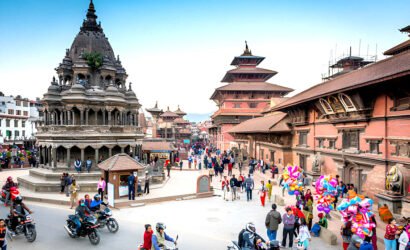
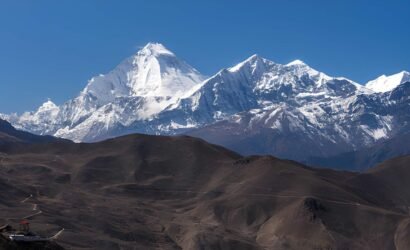
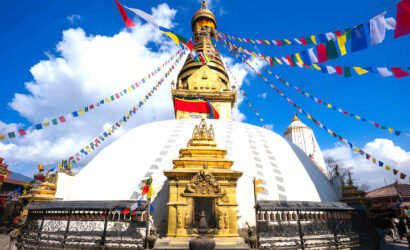
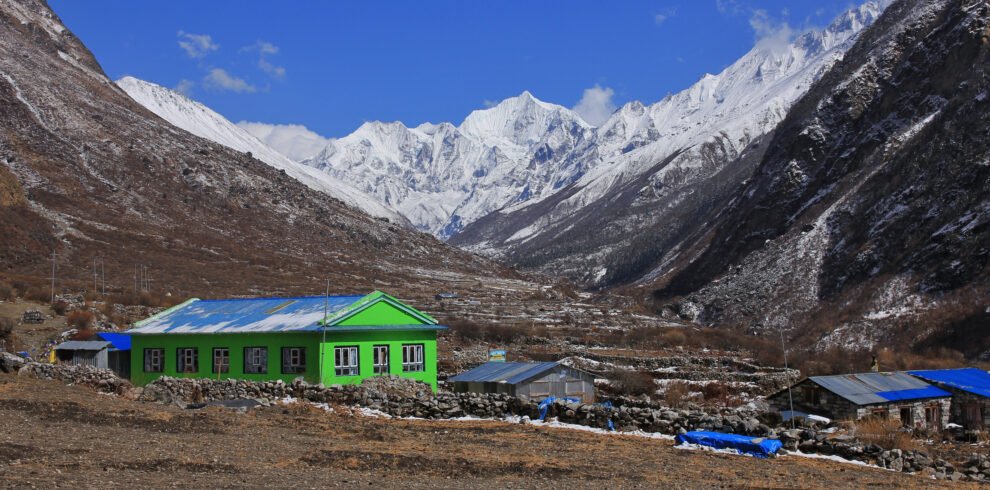
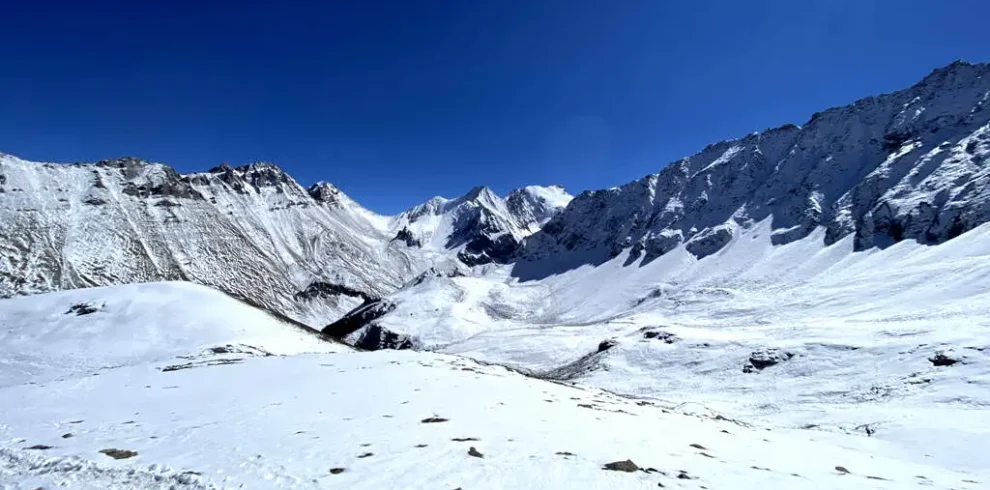
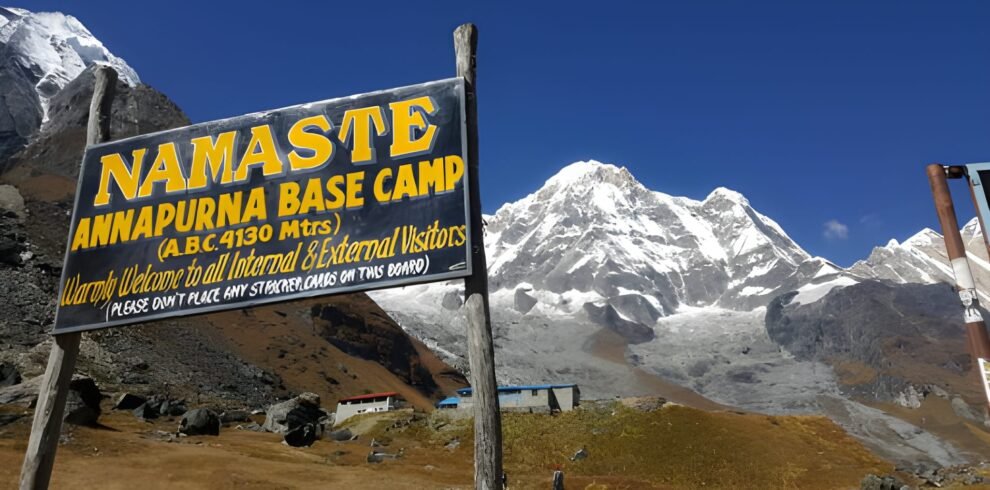
Write a Review