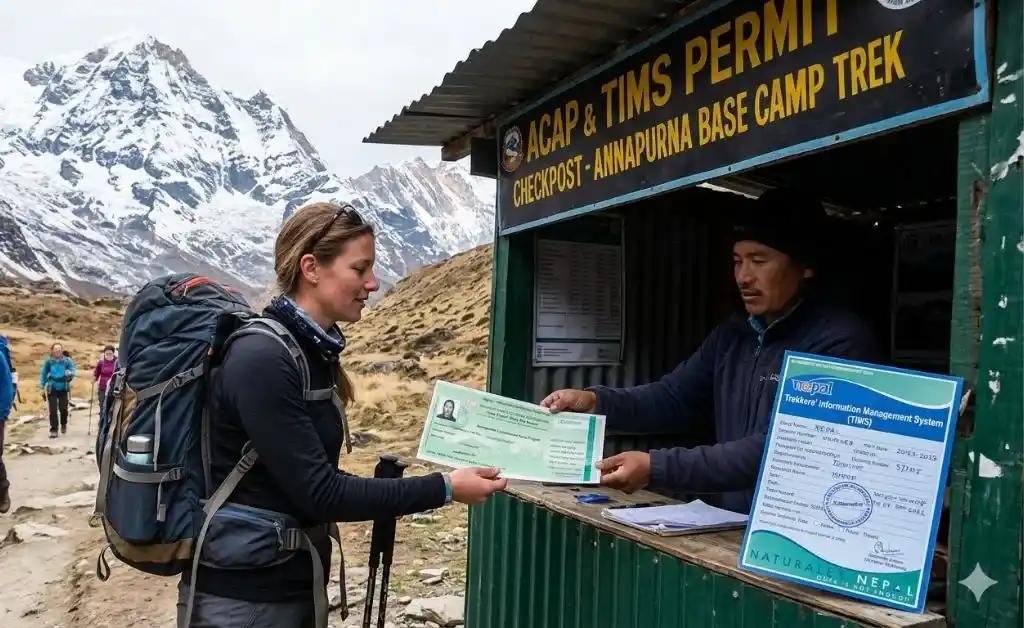
Nepal is home to some of the world’s most spectacular trekking routes, attracting thousands of hikers every year. Whether you’re dreaming of Everest Base Camp, the Annapurna Circuit, or the remote trails of Upper Mustang, one question remains common among travelers:
Can you still trek solo in Nepal in 2026?
The answer is yes,but the rules have changed.…..In 2026, Nepal introduced one of the biggest updates to its trekking regulations by allowing solo travelers to obtain Restricted Area Permits (RAP). However, certain destinations still require a licensed trekking guide and permits issued through a registered trekking agency.
This guide explains everything you need to know before planning a solo trekking adventure in Nepal.
Can You Trek Solo in Nepal?
Yes.
Solo trekking is legal in Nepal, but the rules depend entirely on the trekking region.
For normal trekking routes, you can travel independently in certain destinations.
For Restricted Areas, solo permits are now available, but trekking alone without a licensed guide is still prohibited.
The biggest change introduced in March 2026 removed the previous requirement of having at least two foreign trekkers to obtain a Restricted Area Permit (RAP).
Nature Himalaya Tours can assist with trekking permits, licensed guides, customized itineraries, and complete trekking arrangements throughout Nepal.
Nepal Trekking Rules Updated for 2026
The Government of Nepal introduced major changes to improve safety while making remote trekking more accessible.
What’s New?
✔ Solo travelers can now obtain Restricted Area Permits.
✔ Minimum two-person rule has been removed.
✔ Licensed guide remains mandatory in restricted areas.
✔ Permits must still be processed through registered trekking agencies.
✔ One licensed guide can accompany a maximum of seven trekkers.
This update makes Nepal much more accessible for independent travelers while maintaining safety standards in remote Himalayan regions.
Where is a Guide Mandatory?
Guide requirements depend on the trekking destination. While some trekking regions legally require every trekker to be accompanied by a licensed guide, a few popular destinations still allow independent trekking.
| Trekking Region | Guide Required? |
|---|---|
| Upper Mustang | Yes |
| Upper Dolpo | Yes |
| Manaslu Circuit | Yes |
| Tsum Valley | Yes |
| Nar Phu Valley | Yes |
| Kanchenjunga | Yes |
| Langtang | Yes |
| Annapurna Region | Yes |
| Restricted Areas | Yes |
| Everest Base Camp | Not Legally Required |
| Nagarkot | No |
| Sarangkot | No |
| Dhulikhel | No |
Restricted Area Permit (RAP) Costs in 2026
Nepal has several Restricted Trekking Areas that require a Restricted Area Permit (RAP). Permit fees vary depending on the destination, trekking season, and duration of your trek.
| Restricted Area | Permit Cost (2026) |
|---|---|
| Upper Mustang |
USD 50 per day ACAP Permit also required. |
| Upper Dolpo |
USD 500 for the first 10 days USD 50 for each additional day |
| Lower Dolpo | USD 20 per week |
| Manaslu Circuit |
USD 100/week (September–November) USD 75/week (December–August) |
| Tsum Valley |
USD 40/week (September–November) USD 30/week (December–August) |
| Nar Phu Valley |
USD 100/week (Peak Season) USD 75/week (Off Season) |
| Kanchenjunga | USD 20 per week |
| Humla (Limi Valley) | USD 50 per week |
| Bajhang (Saipal) | USD 90 per week |
| Mugu | USD 100 per week |
| Darchula (Api-Nampa) | USD 90 per week |
Trekking Permits Required in Nepal
Depending on your trekking destination, you may need one or more trekking permits before starting your adventure in Nepal. The required permits vary based on whether you are trekking in a national park, conservation area, or restricted region.
Restricted Area Permit (RAP)
A Restricted Area Permit (RAP) is mandatory for trekking in Nepal’s restricted regions such as Upper Mustang, Manaslu, Tsum Valley, Nar Phu, and Upper Dolpo.
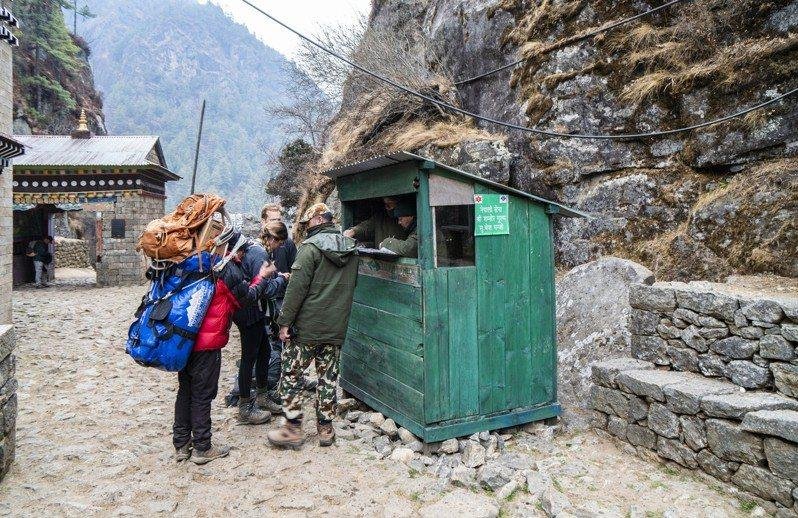
Only government-registered trekking agencies are authorized to apply for and issue RAP permits.
National Park Entry Permit
Many trekking routes pass through protected national parks that require an additional entry permit.
- Sagarmatha National Park
- Langtang National Park
- Shey Phoksundo National Park
Conservation Area Permit
Treks within conservation areas require a separate conservation permit depending on the region.
- Annapurna Conservation Area Permit (ACAP)
- Manaslu Conservation Area Permit (MCAP)
- Kanchenjunga Conservation Area Permit (KCAP)
TIMS Card
The Trekkers’ Information Management System (TIMS) helps authorities monitor trekkers and supports emergency search and rescue operations.
Some trekking regions still require a TIMS Card, while others have replaced it with local permit systems or regional entry permits.
How to Get Trekking Permits
Obtaining trekking permits in Nepal has become much easier in 2026. Most permits can be arranged through registered trekking agencies before your trek begins.
Documents Required
- Valid Passport
- Nepal Tourist Visa
- Passport-size Photos
- Trekking Itinerary
For Restricted Area Permits (RAP), your registered trekking agency will complete and submit all required paperwork on your behalf.
Permit processing generally takes 1–3 working days.
Why Hire a Licensed Guide?
Even on trekking routes where guides are optional, hiring a licensed guide offers significant benefits for both safety and convenience.
Better Safety
Guides monitor altitude sickness, trail conditions, and changing mountain weather.
Emergency Support
They coordinate helicopter rescues, medical assistance, and emergency communication when necessary.
Navigation
Avoid getting lost on remote Himalayan trails with expert local navigation.
Local Culture
Discover monasteries, villages, local traditions, festivals, and Tibetan heritage.
Accommodation
Guides help reserve teahouses and secure accommodation during peak trekking seasons.
Language Assistance
Communicate easily with local communities, porters, and lodge owners.
What Happens If You Trek Without a Guide?
Ignoring Nepal’s trekking regulations may result in serious legal and logistical issues.
Possible Consequences
- Being stopped at trekking checkpoints
- Entry denied to restricted areas
- Financial penalties or fines
- Permit cancellation
- Complications during rescue operations
- Visa-related issues in serious cases
Frequently Asked Questions
Can I trek solo in Nepal?
Yes. Solo trekking is legal, but certain trekking regions require a licensed guide.
Is solo trekking banned?
No. Solo trekking is legal, and the 2026 regulations make it easier for solo travelers to visit restricted regions.
Do I need a guide for Everest Base Camp?
No. Hiring a guide is recommended but is not legally required.
Do I need a guide for Annapurna?
Yes. The Annapurna region currently requires a licensed trekking guide.
Can I obtain a Restricted Area Permit myself?
No. Restricted Area Permits can only be issued through registered trekking agencies.
How much does a trekking guide cost?
Most licensed trekking guides charge between USD 25–40 per day, depending on the trekking region and season.
Which is Nepal’s most expensive trekking permit?
Upper Mustang and Upper Dolpo are among Nepal’s most expensive permits, costing USD 50 per day or more.
Ready to Experience the Himalayas?
Nepal continues to be one of the world’s most spectacular trekking destinations, offering breathtaking mountain landscapes, rich Himalayan culture, ancient monasteries, and unforgettable adventures.
The 2026 trekking regulations have made independent travel more accessible than ever before by removing the previous two-person requirement for Restricted Area Permits. This is excellent news for solo travelers who dream of exploring Nepal’s remote mountain regions.
However, it is still essential to understand that many trekking routes—especially Restricted Areas, Manaslu, Tsum Valley, Nar Phu, Upper Mustang, Upper Dolpo, Langtang, Annapurna, and Kanchenjunga—require a licensed trekking guide and the appropriate government permits.
Before starting your journey, ensure that all required trekking permits are arranged, travel with a licensed guide where required, and follow Nepal’s latest trekking regulations for a safe, legal, and unforgettable Himalayan adventure.
Plan Your Trek with Nature Himalaya Tours
Whether you’re planning the Everest Base Camp Trek, Annapurna Circuit, Manaslu Circuit, Upper Mustang, Langtang Valley, or any other Himalayan adventure, Nature Himalaya Tours provides complete trekking services including:
- Licensed Government Trekking Guides
- Restricted Area Permit (RAP) Processing
- National Park & Conservation Permits
- Customized Trekking Itineraries
- Private & Group Trek Arrangements
- Airport Transfers & Hotel Booking
- 24/7 Local Trekking Support