Bhutan and Nepal Cultural Adventure – Tiger’s Nest Odyssey Tour

9 Days

This cultural journey through Bhutan and Nepal introduces two Himalayan kingdoms. The Bhutan and Nepal Cultural Adventure – Tiger’s Nest Odyssey Tour blends cultural heritage, Buddhist traditions, and mountain landscapes in Bhutan, the Land of the Thunder Dragon, and Nepal, the heart of the Himalayas. The itinerary links the UNESCO-listed temples of the Kathmandu Valley—often described as a living cultural heritage capital at the top of the world—with Bhutan’s monasteries, forested mountain passes, and traditional valleys known as a Himalayan Shangri-La. Travel is carefully paced for comfort and acclimatization, with scenic flights and overland drives revealing landscapes that range from high mountain passes to fertile river basins. The highlight is the hike to Tiger’s Nest Monastery (Taktsang), Bhutan’s most sacred site, completing an authentic Himalayan experience focused on culture, spirituality, and nature.

  • Kathmandu
  • Kathmandu
  • Spring & Autumn
  • Hotel & Lodge
  • Car, Jeep, & Plane
  • Overland
  • 3,100 Meters
  • Breakfast Included
  • English, Spanish
  • 02-25 People
  • Permits Included
  • Fully Guided Tour

Trip Overview

The Bhutan and Nepal Cultural Adventure – Tiger’s Nest Odyssey Tour offers a carefully curated journey through two of the most distinctive Himalayan destinations, blending living culture, spiritual heritage, and dramatic mountain landscapes. Designed with a comfortable travel rhythm, this itinerary provides an ideal introduction to the Himalayas for travelers seeking meaningful cultural experiences rather than fast-paced sightseeing. By combining the sacred valleys of Nepal with the monastic heartland of Bhutan, the tour reveals how geography, religion, and tradition continue to shape daily life in the high mountains.

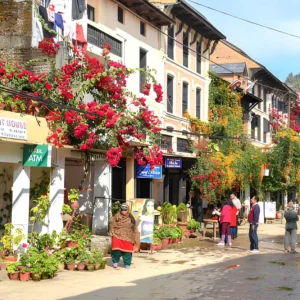
The journey begins in Nepal, widely regarded as the heart of the Himalayas and home to some of the world’s richest concentrations of living cultural heritage. Arrival in Kathmandu is followed by a transfer to Bhaktapur, the best-preserved medieval city of the Kathmandu Valley and a former royal capital. With its brick-paved squares, intricately carved wooden windows, and centuries-old temples, Bhaktapur offers an immediate immersion into Newar architecture and urban culture. This gentle introduction allows time to adjust after arrival while experiencing Nepal’s unique blend of Hindu and Buddhist traditions in an authentic historical setting.

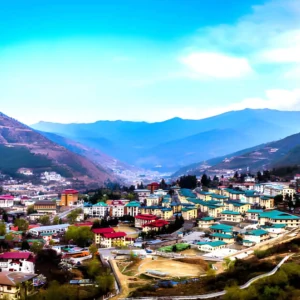
From Kathmandu, the journey continues by air to Bhutan, often referred to as the Land of the Thunder Dragon. The flight to Paro is itself a highlight, offering panoramic Himalayan views before descending into one of the world’s most dramatic mountain airports. Upon arrival, travelers enter a country known for its commitment to cultural preservation, environmental protection, and spiritual values. A scenic drive leads to Thimphu, Bhutan’s capital, where traditional architecture and modern life coexist in harmony.

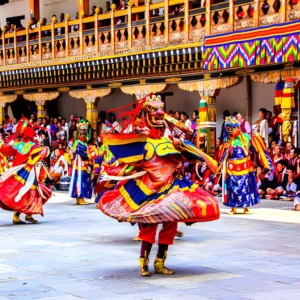
In Thimphu, the itinerary focuses on spiritual and cultural exploration. Visits to monasteries, memorial chortens, traditional markets, and cultural institutions provide insight into Bhutanese Buddhism, artistic traditions, and everyday life. Unlike many capitals, Thimphu retains a relaxed atmosphere, allowing travelers to observe how religious practice and community life remain deeply intertwined.

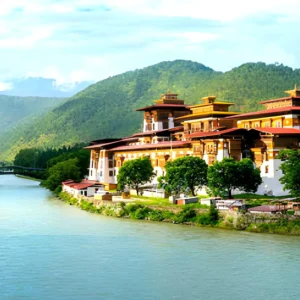
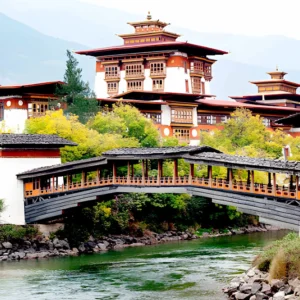
The route then leads eastward to Punakha, crossing forested mountain passes that reveal Bhutan’s changing landscapes. In Punakha, the magnificent Punakha Dzong, located at the confluence of two rivers, stands as one of Bhutan’s most important religious and administrative centers. The surrounding fertile valleys offer insight into Bhutan’s agricultural heartland.

Returning to the Paro Valley, the journey passes through rural landscapes and scenic viewpoints that emphasize Bhutan’s balance between accessibility and preservation. Paro is rich in cultural landmarks, traditional farmhouses, and historic sites, reflecting the kingdom’s deep-rooted identity.

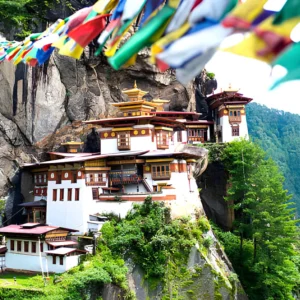
The ascent to Tiger’s Nest Monastery (Taktsang) is the defining experience of the Bhutan segment. Dramatically perched on a cliff face above the Paro Valley, this sacred site is one of the most important Himalayan pilgrimage destinations. The hike winds through forest trails and scenic viewpoints, creating space for reflection while revealing breathtaking natural beauty. Reaching the monastery offers a deeper understanding of Bhutan’s spiritual traditions and their connection to the natural world.

After Bhutan, the tour returns to Nepal by air, once again revealing the scale of the Himalayan range. Back in Kathmandu, travelers explore major UNESCO World Heritage Sites, including Swayambhunath, Boudhanath, and Pashupatinath, illustrating Nepal’s role as a living cultural heritage capital.

The final days in Kathmandu allow time for reflection, independent exploration, and traditional craft shopping, reinforcing the tour’s focus on cultural depth, spiritual insight, and scenic beauty. Scenic flights and overland drives reveal landscapes ranging from high mountain passes to fertile river basins, highlighting the contrasts between the two Himalayan kingdoms.

The Bhutan and Nepal Cultural Adventure – Tiger’s Nest Odyssey Tour delivers an enriching Himalayan journey, combining renowned landmarks, immersive cultural experiences, and local traditions, linking Nepal’s historic valleys with Bhutan’s monastic heritage and pristine landscapes.

Trip Highlights

  • Explore Kathmandu Valley UNESCO sites, including Boudhanath, Pashupatinath, and Swayambhunath, revealing Nepal’s living Hindu–Buddhist heritage.
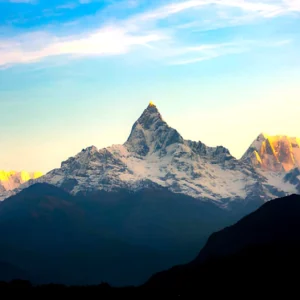
  • Enjoy a scenic Himalayan flight to Bhutan, offering breathtaking views of snow-covered peaks, deep valleys, and dramatic mountain landscapes.
  • Discover Bhutan’s spiritual heart, visiting Thimphu, Punakha Dzong, and sacred valleys shaped by Buddhism, tradition, and careful preservation.
  • Walk to the iconic Tiger’s Nest Monastery, set high above Paro Valley, combining forest trails, spiritual symbolism, and unforgettable scenery.
  • Kathmandu Durbar Square – Explore the historic heart of the city, where ancient palaces, pagoda-style temples, and royal courtyards reveal Nepal’s royal history, living traditions, and the sacred residence of the Living Goddess Kumari.
  • Bhaktapur – Wander through a beautifully preserved medieval city renowned for its Newari architecture, traditional craftsmanship, and timeless urban culture.
  • Travel at a comfortable cultural pace, with balanced distances, gentle activities, and scenic drives designed for insight, not physical challenge.
Tour Itinerary

  • Day
    01

    Warm Welcome on Arrival in Kathmandu, Nepal & Private Transfer to Hotel

    Kathmandu, the capital of Nepal and widely known as the Temple City, serves as the starting point of your Bhutan and Nepal journey and a key gateway to the Himalayan region. Situated at an elevation of approximately 1,400 meters (4,593 feet), the city blends ancient heritage, living traditions, and vibrant urban life.

    Upon arrival at Tribhuvan International Airport, you will be welcomed in the arrival hall by an airport representative from Jagadamba Holidays, our appointed local partner in Nepal. The representative will be easily identifiable by a clearly displayed welcome sign bearing the name “Natura Himalaya Tours.”

    You will then be transferred by private vehicle to your hotel in Bhaktapur, one of the main cultural and tourist areas of the Kathmandu Valley. The airport transfer covers a distance of approximately 11.4 kilometers and usually takes around one hour, depending on traffic conditions. Upon arrival, luggage assistance will be provided. Early check-in is subject to availability; if rooms are not immediately ready, your luggage will be securely stored. Overnight accommodation with breakfast and dinner is provided on a twin-sharing basis in a deluxe room at New Shiva Guest House or a hotel of similar standard, located within the Bhaktapur Durbar Square area.

    As per the itinerary, guests may explore Bhaktapur Durbar Square according to their remaining time, as the guesthouse is situated inside the Durbar Square, allowing easy access to the city’s main heritage attractions. Bhaktapur Durbar Square, a UNESCO World Heritage Site, is renowned for its medieval Newari architecture and living cultural traditions. Key highlights that can be visited include the 55-Window Palace, the richly decorated Golden Gate, the impressive Nyatapola Temple, Bhairavnath Temple, Vatsala Temple, Dattatreya Square, the famous Peacock Window, and the traditional Pottery Square, where local artisans still shape clay by hand using techniques passed down through generations. The remainder of the day is free for leisure, allowing time to relax or wander through Bhaktapur’s historic streets and courtyards at your own pace.

    In the late afternoon or early evening, you will meet our local travel partner and tour coordinator, Mr. Narendra Bohara, at the hotel for a briefing session. During this meeting, your travel program will be reviewed, your local guide will be introduced, and the necessary travel formalities will be completed. Passport details and other required information for Bhutan travel arrangements will be collected in preparation for your onward journey.

    45 minute
    Dinner + Breakfast
    3 Stars Hotel
  • Day
    02

    Fly Kathmandu to Paro & Thimphu Drive – Begin Bhutan Cultural Experience

    Depart from your hotel early at 05:30 AM for a transfer to Tribhuvan International Airport, arriving by approximately 06:00 AM. Board Druk Air flight KB 401, departing at 09:10 AM and arriving at Paro International Airport (2,235 m / 7,332 ft) at 10:30 AM. This iconic Himalayan flight offers outstanding aerial views of snow-capped Himalayan peaks, deep valleys, and dramatic mountain terrain, with the final approach into Paro, Bhutan, widely regarded as one of the most scenic landings in the world.

    Upon arrival at Paro International Airport (2,235 m / 7,333 ft.), complete immigration and customs formalities and meet the local representative of our Bhutan travel partner in the arrivals area, appointed by our trusted South Asian travel partner, Jagadamba Holidays, in Kathmandu. You will be warmly welcomed by your licensed local Bhutanese guide and introduced to the Land of the Thunder Dragon, before being transferred to a local restaurant in Paro for a traditional Bhutanese lunch. After lunch, begin your cultural exploration of the Paro Valley, renowned for its terraced fields, weeping willows, stately poplar trees, and traditional Bhutanese houses with shingled roofs secured by stone slabs.

    Your sightseeing program begins with a visit to the National Museum (Ta Dzong), offering a well-rounded introduction to Bhutanese history, art, and cultural traditions through a rich collection of artifacts and historical displays. Continue to the impressive Paro Rinpung Dzong, a magnificent 17th-century fortress-monastery that serves as both a religious and administrative center and stands as a prime example of classical Bhutanese architecture.

    In the afternoon, following the completion of Paro sightseeing, continue with a scenic drive to Thimphu (2,334 m / 7,657 ft). The journey covers approximately 50 km and typically takes around one hour, passing through river valleys, terraced rice fields, and traditional villages. This picturesque approach offers a refined introduction to Thimphu, Bhutan’s capital, where tradition and modern life coexist harmoniously. Upon arrival, check in to your hotel and take time to relax after the day’s journey. Overnight accommodation in Thimphu is provided on a twin-sharing basis in a deluxe room at The Willows Hotel or a hotel of similar standard, with all meals included (breakfast, lunch, and dinner).

    5 hour
    Breakfast + Lunch + Dinner
    3 Stars Hotel
  • Day
    03

    Thimphu Day Tour – Cultural and Spiritual Highlights of Bhutan’s Capital

    After breakfast, depart for a full-day cultural exploration of Thimphu, the capital city of Bhutan and the country’s political, religious, and cultural center. Unlike other capitals, Thimphu retains a relaxed atmosphere, where traditional Bhutanese architecture blends seamlessly with modern institutions and daily life.

    The day’s sightseeing is conducted at a comfortable pace, with short drives between attractions and light walking at monasteries, monuments, and viewpoints. Total driving time within Thimphu is approximately 2–3 hours, depending on traffic and the number of sites visited.

    Begin the tour with a visit to the National Memorial Chorten, an important spiritual landmark where locals gather for daily prayers and circumambulation. Continue to Buddha Dordenma, a massive seated Buddha statue overlooking the Thimphu Valley, offering panoramic views of the city and surrounding hills. Visit Changangkha Lhakhang, one of Thimphu’s oldest temples, revered by local families and monks.

    In the afternoon, explore Tashichho Dzong, the impressive fortress-monastery that houses Bhutan’s main government offices and the summer residence of the Je Khenpo (Chief Abbot). Additional visits may include the Folk Heritage Museum, National Textile Museum, or local handicraft markets, providing insight into Bhutanese culture, traditional arts, and daily life.

    After completing the sightseeing program, return to your hotel and enjoy time at leisure. Overnight accommodation in Thimphu is provided on a twin-sharing basis in a deluxe room at The Willows Hotel or a hotel of similar standard, with all meals included (breakfast, lunch, and dinner).

    5 hour
    Breakfast + Lunch + Dinner
    3 Stars Hotel
  • Day
    04

    Scenic Drive from Thimphu to Punakha via Dochula Pass & Himalayan Views!

    After breakfast, depart Thimphu (2,334 m / 7,656 ft.) and begin the journey toward Punakha, Bhutan’s former capital. As the main sightseeing in Thimphu has been completed earlier, today is designed as a scenic transition day, allowing travelers to appreciate Bhutan’s changing geography as the route moves from high mountain terrain into warmer central valleys. The drive offers a relaxed rhythm, with opportunities to pause at key viewpoints along the way.

    The journey to Punakha takes approximately 3 hours, following well-maintained mountain roads through forested hills and high ridges. En route, cross the renowned Dochula Pass (3,100 m / 10,171 ft.), marked by 108 memorial chortens built in traditional Bhutanese style. On clear days, the pass provides sweeping views of the eastern Himalayan ranges, making it one of the most memorable scenic points of the journey.

    Descending from Dochula, the landscape gradually transforms into the lush Punakha Valley, characterized by fertile river plains, terraced fields, and a noticeably milder climate. Upon arrival in Punakha (1,300 m / 4,265 ft.), visit Chimi Lhakhang, also known as the Temple of Fertility, a significant pilgrimage site associated with Bhutanese folklore and the teachings of Lama Drukpa Kunley. The short walk to the temple passes through traditional villages and farmland, offering insight into rural life.

    Continue to the impressive Punakha Dzong, dramatically situated at the confluence of the Pho Chhu and Mo Chhu rivers. Widely regarded as the most beautiful dzong in Bhutan, it has played a central role in the country’s religious and political history and serves as the winter residence of the Je Khenpo (Chief Abbot) and the central monastic body. Later in the afternoon, visit Khamsum Yulley Namgyel Chorten, located on a hill overlooking the valley and offering panoramic views of the surrounding countryside.

    After sightseeing, transfer to your hotel and relax. Overnight accommodation in Punakha is provided on a twin-sharing basis in a deluxe room at The Zen Hotel or a hotel of similar standard, with all meals included (breakfast, lunch, and dinner).

    6 hour
    Breakfast + Lunch + Dinner
    3 Stars Hotel
  • Day
    05

    Punakha Valley Walks & Scenic Overland Journey to Paro via Dochula Pass

    After breakfast, enjoy a relaxed morning in the Punakha Valley, designed as a gentle and unhurried start to the day before the longer drive to Paro. Rather than revisiting major monuments already explored on the previous day, the focus this morning is on light walking and experiencing the valley’s rural atmosphere. Begin with a walk across the Punakha Suspension Bridge, one of the longest suspension bridges in Bhutan, offering beautiful views of the river below, terraced farmland, and traditional villages scattered across the valley. The calm setting and easy pace provide an excellent opportunity to observe daily life in the countryside, with time for short village strolls or riverside walks nearby.

    Late in the morning, depart Punakha (1,300 m / 4,265 ft.) and begin the scenic overland journey to Paro (2,235 m / 7,332 ft.), retracing the mountain route via the Dochula Pass (3,100 m / 10,170 ft.). The drive takes approximately 4–5 hours, following well-maintained mountain roads through forested hills, high ridges, and river valleys. Along the way, the changing landscapes highlight Bhutan’s geographic diversity, from warm subtropical valleys to cool alpine zones.

    Upon arrival in the Paro Valley, enjoy lunch before commencing afternoon sightseeing. Visit Kyichu Lhakhang, one of Bhutan’s oldest and most sacred temples, dating back to the 7th century and traditionally associated with King Songtsen Gampo. Continue with a visit to the National Museum (Ta Dzong), located in a former circular watchtower overlooking Paro town. The museum presents a thoughtfully curated collection that introduces Bhutan’s history, artistic traditions, religious heritage, and way of life.

    Later in the afternoon, visit Paro Rinpung Dzong, an impressive fortress-monastery overlooking the Paro Chhu River. Renowned for its traditional Bhutanese architecture, the dzong remains an active religious and administrative center. If time permits, visit Drugyel Dzong, offering views toward Mount Chomolhari, or enjoy a gentle walk along the Paro Chhu River or through Paro town, providing a calm conclusion to the day’s journey.

    After sightseeing, transfer to your hotel and relax in the peaceful surroundings of the Paro Valley. Overnight accommodation in Paro, Bhutan is arranged in a deluxe twin-sharing room at Rema Resorts or a hotel of similar standard, with all meals included (breakfast, lunch, and dinner).

    5 hour
    Breakfast + Lunch + Dinner
    3 Stars Hotel
  • Day
    06

    Tiger’s Nest Monastery Day Hike – Sacred Himalayan Trek Above Paro Valley

    After breakfast, begin a guided hike to the iconic Taktsang Monastery, commonly known as the Tiger’s Nest, one of Bhutan’s most revered spiritual landmarks. Dramatically perched on a sheer cliff approximately 900 meters above the Paro Valley, this sacred site is deeply rooted in Bhutanese religious history and offers breathtaking views of the surrounding Himalayan landscape.

    The round-trip hike covers approximately 12 km and typically takes 5–6 hours, depending on pace and time spent at rest points. During the journey, you will ascend about 1,000 meters and descend 1,000 meters. The trail begins with a steady ascent through pine forests, gradually revealing striking views of the monastery as elevation increases. Prayer flags and forested surroundings create a calm and contemplative walking experience throughout the hike.

    While the hike is physically demanding, it is highly rewarding, combining natural beauty with deep cultural and spiritual significance. Each step brings you closer to a monastery that has stood for centuries and remains one of Bhutan’s most important pilgrimage destinations.

    Upon reaching the monastery, take time to explore the sacred complex and admire the panoramic views over the Paro Valley below. The site is closely associated with Guru Rinpoche (Padmasambhava), who is believed to have meditated here in a cave during the 8th century, giving the monastery its profound spiritual importance. The atmosphere within the temples and shrines is peaceful and reflective.

    After sufficient time for exploration and reflection, begin the descent along the same trail and return to Paro in the afternoon. Upon completion of the hike, return to your hotel and relax after a physically rewarding day. Overnight accommodation in Paro is provided at Rema Resort or a hotel of similar standard, with all meals included (breakfast, lunch, and dinner).

    6 hour
    Breakfast + Lunch + Dinner
    3 Stars Hotel
  • Day
    07

    Paro to Kathmandu & Kathmandu Valley UNESCO Cultural Heritage Tour

    After a hearty breakfast at the hotel in Paro, transfer to Paro International Airport to board your return flight to Kathmandu. Your Bhutanese guide will assist with departure formalities and check-in for Druk Air flight KB 400, scheduled to depart at 08:05 AM and arrive in Kathmandu at 09:05 AM. The scenic Himalayan flight offers a final opportunity to admire sweeping mountain views, with occasional sightings of Mount Everest on clear days.

    Upon arrival at Tribhuvan International Airport, you will be welcomed by your local travel partner or a representative from Jagadamba Holidays, who will assist with arrival procedures and arrange your private airport-to-hotel transfer. The drive to Thamel, Kathmandu’s main tourist district, covers approximately 7 km and takes around 30–45 minutes, depending on traffic. After hotel check-in, enjoy time to refresh and relax before lunch.

    After lunch, depart for an afternoon half-day sightseeing tour of Patan Durbar Square and Kathmandu Durbar Square, two of the most important cultural and historical centers of the Kathmandu Valley, both designated UNESCO World Heritage Sites. This relaxed sightseeing program is designed to showcase Nepal’s classical art, architecture, and living traditions at a comfortable pace.

    Begin with a visit to Patan Durbar Square, located in the historic city of Lalitpur, once an independent royal kingdom renowned for its refined Newari craftsmanship. The square features an exceptional collection of temples, palaces, and courtyards, including Krishna Mandir, Hiranya Varna Mahavihar, and intricately carved wooden windows and stone structures reflecting centuries of artistic excellence.

    Continue to Kathmandu Durbar Square, the historic heart of the capital and former seat of Nepal’s royal families. Explore the palace complex, ancient courtyards, and pagoda-style temples that illustrate the valley’s political, religious, and cultural history. Highlights include Hanuman Dhoka Palace and the residence of the Living Goddess Kumari, where centuries-old traditions continue alongside historic monuments.

    After completing the sightseeing, return to your hotel with a pleasant walk through local markets and traditional streets, offering insight into everyday life in Kathmandu. The remainder of the evening is free for leisure or independent exploration. Overnight accommodation in Kathmandu, Nepal is provided on a twin-sharing basis at Kathmandu Guest House or a hotel of similar standard, with meals included (breakfast and dinner).

    7 hour
    Breakfast + Dinner
    3 Stars Hotel
  • Day
    08

    Nepal Cultural UNESCO Tour: Swayambhunath, Boudhanath & Pashupatinath

    Discover the UNESCO World Heritage Sites of the Kathmandu Valley on a guided cultural tour accompanied by a professional city guide and traveling in a private luxury vehicle. This immersive sightseeing experience introduces Nepal’s rich spiritual legacy through visits to Swayambhunath Stupa, Boudhanath Stupa, and the sacred Pashupatinath Temple. Together, these iconic landmarks reveal the deep roots of Buddhist and Hindu traditions, where ancient rituals, sacred architecture, and vibrant living culture continue to shape daily life in Kathmandu. Along the way, travelers gain insight into Nepal’s religious harmony, artistic heritage, and centuries-old traditions that remain actively practiced today.

    Swayambhunath Stupa (Monkey Temple)
    One of the oldest and most revered UNESCO World Heritage Sites in Nepal, Swayambhunath Stupa crowns a forested hill overlooking the Kathmandu Valley. Accessed via a series of stone steps, the stupa rewards visitors with wide-reaching views across the Kathmandu Valley. Its iconic white dome, golden spire, colorful prayer flags, and surrounding shrines symbolize the peaceful coexistence of Buddhism and Hinduism, while the resident monkeys add a lively and memorable character to the site.

    Boudhanath Stupa
    Among the largest Buddhist stupas in the world, Boudhanath Stupa is the spiritual heart of Tibetan Buddhism in Nepal. Surrounded by monasteries, spinning prayer wheels, small shrines, and local shops, the area reflects a living cultural landscape where religious practice and daily life exist side by side. Visitors can observe monks and pilgrims performing ritual circumambulation, listen to the soft hum of prayer chants, and experience the calm, meditative rhythm that defines this sacred place.

    Pashupatinath Temple
    Set along the sacred Bagmati River, Pashupatinath Temple is Nepal’s most important Hindu pilgrimage site, dedicated to Lord Shiva. The extensive temple complex includes ancient shrines, sacred ghats, and cremation sites where traditional funeral rites are performed. A visit here offers profound insight into Hindu beliefs surrounding life, death, and rebirth, as well as Nepal’s enduring spiritual traditions.

    At the conclusion of the sightseeing program, return to your hotel to unwind and prepare for your onward or return journey. Accommodation in Kathmandu, Nepal is provided with a stay in a deluxe twin-sharing room at Kathmandu Guest House or a comparable hotel. Breakfast and dinner are included, allowing guests to unwind comfortably after a day of cultural exploration.

    7 hour
    Breakfast + Dinner
    3 Stars Hotel
  • Day
    09

    Bhaktapur – Depart at Any Time and Concluding Your Journey in Nepal

    As your remarkable adventure through the Himalayas comes to a close, take a moment to reflect on the awe-inspiring landscapesrich cultural heritage, and unforgettable experiences that have defined your journey. From towering mountain scenery to the warm hospitality of local communities, each step has created lasting memories of connection and discovery in Nepal.

    Airport Transfer Arrangement
    For a smooth and stress-free departure, a representative of our trusted local partner in Nepal will meet you at your hotel approximately 3.5 hours before your scheduled flight. The team will ensure a reliable and comfortable transfer to Tribhuvan International Airport, allowing you to conclude your Nepal experience with ease and peace of mind.

    We sincerely thank you for traveling with us and look forward to welcoming you again on future journeys across the Himalayas and beyond.

    1 minute
    Breakfast
    None

Cost Includes

  • Airport arrival assistance and transfers, as per itinerary
  • Airport departure transfers and assistance, as per itinerary
  • Cultural city tours and sightseeing in Nepal, as per itinerary
  • English-speaking licensed guide in Bhutan, as per itinerary
  • Government taxes, service charges, and applicable local fees
  • Bhutan tourist visa, all required travel permits, and entrance fees
  • Sightseeing and monument entrance fees in Nepal, as per itinerary
  • On-ground assistance and operational support throughout the tour
  • Private transportation for sightseeing and travel in Nepal, as per itinerary
  • English-speaking licensed guide (tour/cultural) in Nepal, as per itinerary
  • Nepal and/or Bhutan: 3★ hotel accommodation with meals, as per itinerary
  • Round-trip flights between Kathmandu and Paro, Bhutan, as per itinerary
  • Bhutan Sustainable Development Fee (SDF), as per government regulation
  • Private transportation for sightseeing and travel in Bhutan, as per itinerary

Cost Excludes

  • Round-trip or one-way international flight ticket to Nepal
  • Lunch meals in Nepal where not included as per the itinerary
  • Tourist visa for Nepal (USD 30–50, depending on length of stay)
  • Single-supplement or small-group surcharge, where applicable
  • Any other costs or services not specifically mentioned in the Inclusions
  • Personal travel gear and tour-related equipment as per packing checklist
  • Personal expenses during the trip (phone calls, Wi-Fi, laundry, charging, etc.)
  • Gratuities for tour staff (recommended: EUR 9 / USD 10 per traveler per day)
  • Any additional pandemic-related requirements applicable at the time of travel
  • Additional expenses incurred due to voluntary early departure or shortened stay
  • Personal travel insurance (covering trip or flight cancellation and helicopter rescue)
  • Additional costs for any drinks not provided by the hotelier throughout the journey
  • Additional costs arising from flight cancellations or itinerary rescheduling, if required
  • Additional expenses incurred due to circumstances beyond our local partner’s control

Essential Trip Information

Do I need visas for both Nepal and Bhutan?

Yes, visas are required for both countries.
Most nationalities can obtain a Nepal tourist visa on arrival at Kathmandu International Airport or land borders. The visa is issued for 15, 30, or 90 days, provided your passport is valid for at least six months and you have a passport photo and visa fee.

For Bhutan, all foreign travelers (except Indian, Bangladeshi, and Maldivian nationals) must obtain a Bhutan visa in advance. This visa can only be arranged through a licensed Bhutanese tour operator. You will receive a visa clearance letter before travel, and the visa is stamped upon arrival in Paro.

How do I travel from Nepal to Bhutan?

The most common and practical way to travel from Nepal to Bhutan is by direct flight from Kathmandu (KTM) to Paro (PBH). These flights are operated exclusively by Bhutanese national airlines and are widely regarded as among the most scenic mountain flights in the world, offering breathtaking views of the Himalayan range on clear days.

Overland travel between Nepal and Bhutan is not permitted for international tourists, as there is no open land border between the two countries. As a result, air travel is the only standard and legally approved route for travelers visiting Bhutan from Nepal.

Are direct flights between Kathmandu and Paro available year-round?

Yes, direct flights operate throughout the year between Kathmandu and Paro. However, flight frequency is limited and operations are highly weather-dependent due to Paro’s mountainous location.

During the monsoon season (June–August) and winter months (December–February), schedules may be reduced and flights can occasionally be delayed or rescheduled because of cloud cover, visibility issues, and changing mountain weather conditions.

For this reason, advance booking and some flexibility in travel dates are strongly recommended when planning a Nepal–Bhutan itinerary.

What should I know about altitude sickness in Tibet?

Travelers must carry the following documents when traveling from Nepal to Bhutan:
1) A passport valid for at least six months from the date of travel
2) A valid Nepal tourist visa (obtained on arrival or pre-arranged)
3) An official Bhutan visa clearance letter (issued in advance)
4) Proof of travel insurance covering medical emergencies and evacuation
5) Confirmed flight tickets for the Kathmandu-Paro sector
6) Return or onward international flight tickets.

All required documents are strictly checked before boarding the flight to Bhutan, and travelers without complete documentation may be denied boarding.

Is the Sustainable Development Fee (SDF) required for Bhutan?

Yes. All international travelers to Bhutan are required to pay the Sustainable Development Fee (SDF). This mandatory government fee supports Bhutan’s environmental protection, cultural preservation, and public services.

The SDF is charged per person, per night and must be paid in advance as part of the Bhutan visa process. It is a government-imposed fee and is separate from accommodation, transportation, guide services, and meals, unless these costs are clearly stated as included in a specific tour package.

Are airport transfers included in Nepal and Bhutan?

Yes. Airport transfers are typically included in organized Nepal–Bhutan tour packages, ensuring smooth and hassle-free arrivals and departures in both countries.

In Nepal, private transfers are provided between Tribhuvan International Airport (Kathmandu) and your hotel.

In Bhutan, all airport transfers at Paro International Airport are arranged and managed by your assigned licensed guide and driver, in accordance with Bhutanese tourism regulations.

This coordinated service ensures a seamless travel experience from arrival to departure in both destinations.

Are meals included during the Nepal–Bhutan trip?

Meal arrangements differ between Bhutan and Nepal and are clearly outlined in the tour itinerary:

1) Bhutan: Tours operate on a full-board basis, including breakfast, lunch, and dinner throughout the stay. Meals are served at hotels or approved local restaurants in accordance with Bhutan tourism regulations. Lunch timing and location depend on the daily travel program and are arranged by the guide at suitable restaurants.    

2) Nepal: Tours are generally arranged on a half-board basis, including daily breakfast and dinner provided by the hotel. Lunch is not included unless specified and is taken independently, with the guide recommending or arranging suitable restaurants based on the day’s itinerary and guest preferences.

All included meals are clearly stated in the tour program, ensuring transparency, flexibility, and easy planning for travelers.

What type of transport is used for sightseeing in both countries?

Sightseeing in both Nepal and Bhutan is conducted using comfortable, licensed tourist vehicles, selected according to group size and local tourism regulations.

1) Nepal: Sightseeing and transfers are provided in private vehicles (car, jeep, or minibus) with professional and experienced drivers, tailored to the group size and itinerary.

2) Bhutan: All travel is carried out in licensed tourist vehicles, accompanied by a mandatory licensed guide, as required by Bhutan’s national tourism regulations.

    Road journeys in Bhutan are highly scenic but often winding, due to the country’s mountainous terrain and high-altitude routes.

    Is a guide compulsory in both countries?

    In Bhutan, the use of a licensed Bhutanese guide is compulsory for all international travelers for the entire duration of their stay, in accordance with national tourism regulations.

    In Nepal, a guide is not mandatory for city sightseeing but is required for trekking and travel in restricted areas. However, many travelers choose to travel with a guide to gain deeper cultural insight, ensure smoother logistics, and enhance overall travel comfort.

    Can Indian Rupees or US Dollars be used in Nepal and Bhutan?

    In Nepal, the official currency is the Nepalese Rupee (NPR). Major foreign currencies such as US Dollars (USD) and Euros (EUR) can be easily exchanged at banks and licensed money exchange counters in major cities. Credit and debit cards are accepted at many hotels, restaurants, and larger establishments, although cash is still recommended for smaller shops and rural areas.

    In Bhutan, the official currency is the Bhutanese Ngultrum (BTN), which is pegged at par with the Indian Rupee (INR). Indian Rupees are widely accepted for everyday transactions. US Dollars can be exchanged at banks and selected hotels, but foreign currency exchange options are limited. Card usage is generally restricted to major hotels and a few urban businesses, so carrying sufficient cash is advisable.

    Is travel insurance required for both countries?

    Yes. Travel insurance is mandatory for Bhutan and must cover medical treatment and emergency evacuation, as required during the visa approval process.

    For Nepal, travel insurance is strongly recommended, particularly for travelers participating in trekking, mountain flights, or visiting remote regions where medical facilities are limited

    Travelers should ensure that their insurance policy explicitly covers high-altitude travel and emergency evacuation, where applicable.

    What baggage limits apply on Kathmandu–Paro flights?

    Most flights operating between Kathmandu and Paro allow an average baggage allowance of approximately 20 kg for checked luggage and 5 kg for hand luggage per passenger. Exact baggage limits may vary depending on the airline, aircraft type, and ticket class.

    Due to aircraft weight and balance restrictions associated with mountainous terrain and high-altitude operations, excess baggage allowances may be limited or restricted. Travelers are advised to pack light and confirm baggage limits in advance with their airline or tour operator.

    Is the Nepal–Bhutan trip suitable for senior travelers or families?

    Yes. Most Nepal–Bhutan itineraries are leisurely paced and culturally oriented, making them well suited for senior travelers, families, and first-time visitors.

    Altitude is introduced gradually, and physically demanding activities, such as long hikes, are optional. Where necessary, itineraries can be tailored to individual comfort levels and mobility requirements, ensuring a safe and enjoyable travel experience for all age groups.

    Can the Nepal–Bhutan itinerary be customized?

    Yes. Nepal–Bhutan itineraries can be fully customized to suit individual preferences and travel styles. Adjustments can be made to accommodation standards, ranging from standard to luxury hotels, as well as to travel format, whether private or group-based.

    Meal plans, festival-based travel dates, and the overall pace of the journey can also be tailored, allowing travelers to choose between a relaxed cultural experience or a more active itinerary. This flexibility enables travelers to balance comfort, cultural immersion, and sightseeing according to their personal interests.

    Are vegetarian or special dietary meals available in Bhutan and Nepal?

    Yes. Vegetarian meals are widely available in both Bhutan and Nepal.

    In Bhutan, most hotels and approved tour restaurants regularly serve vegetarian dishes. Common dietary preferences such as vegetarian meals, mild food, or reduced spice levels can usually be accommodated. Limited vegan or gluten-free options may be available in major towns, provided dietary requirements are communicated in advance.

    In Nepal, vegetarian food is very common, particularly in Kathmandu and other major tourist centers. Vegan, gluten-free, and religious dietary preferences can generally be arranged at hotels and restaurants with prior notice.

    Travelers with food allergies or specific medical dietary requirements should inform the tour operator at the time of booking to ensure appropriate arrangements throughout the journey.

    Do I need special permits to travel in Bhutan, and who arranges them?

    Yes. In addition to a Bhutan visa, special travel permits are required for all international visitors. These permits regulate approved travel routes and access to specific regions within Bhutan and are mandatory under national tourism regulations.

    All required permits, including entry permits and route permits, are arranged entirely by the licensed Bhutanese tour operator as part of the tour package. Travelers do not need to apply for any permits themselves, as the full permit process is handled on their behalf.

    Once I book the tour, do I need to organize anything myself?

    Once the tour is confirmed, most travel arrangements are handled by the tour operator, allowing travelers to focus on preparing for the journey.

    The tour operator manages all essential services to ensure a seamless experience. This includes Bhutan visa processing, Bhutan international flights (both inbound and outbound), all required travel and route permits, and the mandatory Sustainable Development Fee (SDF). The operator also arranges hotel accommodation, comfortable ground transportation, licensed local guides, and meals as specified in the itinerary. In addition, airport transfers, guided sightseeing services, and on-ground logistical coordination throughout both Nepal and Bhutan are fully taken care of as part of the tour package.

    Travelers are generally responsible for arranging international flights to and from Nepal, providing passport details and required documentation, securing comprehensive travel insurance, and covering personal expenses not included in the itinerary.

    A pre-departure briefing or detailed travel information pack is typically provided before departure to ensure travelers are well informed and fully prepared.

    Will I receive an official invoice, and can I insure myself against trip cancellation?

    Yes. Upon confirmation of your tour booking, you will receive an official invoice issued by the tour operator. This invoice provides a clear breakdown of the total tour cost, a detailed list of services included and excluded, the payment schedule, and the applicable cancellation and refund policies. The invoice serves as a formal record of your tour booking and may also be used for personal accounting, reimbursement, or insurance purposes.

    Travelers are strongly encouraged to arrange comprehensive travel and trip cancellation insurance through their own insurance provider. Trip cancellation insurance can offer financial protection in the event that travel must be canceled or interrupted due to medical conditions, family emergencies, unforeseen personal circumstances, or other insured events, depending on the policy terms.

    Given the nature of international travel and advance payments required for permits, flights, and accommodations, securing appropriate insurance coverage provides added peace of mind and is considered a best practice for all travelers.