Tourism Is Not Just Travel. It Is an Ecosystem.
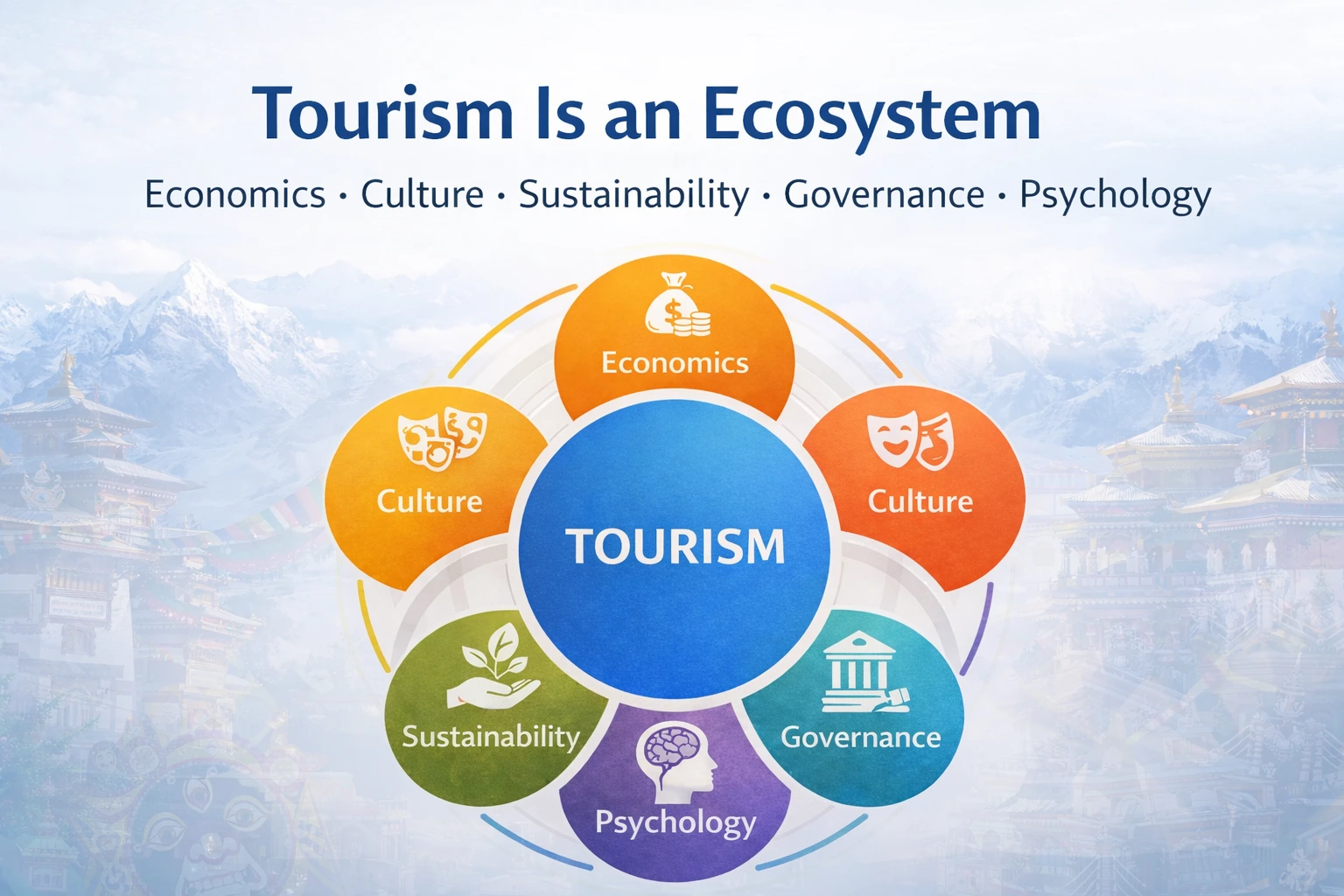
When most people think about tourism, they imagine vacations, hotels, and sightseeing. But tourism is far more powerful than that. It is an interconnected ecosystem that influences economics, culture, governance, sustainability, and even human psychology.
Tourism is often underestimated because its impact goes far beyond what meets the eye. It shapes communities, preserves heritage, drives national economies, and connects people across borders.
Let’s explore why tourism deserves deeper recognition.
1. Tourism and Economics: A Silent Economic Engine
Tourism is one of the largest global industries. It creates jobs, supports small businesses, and contributes significantly to GDP in many countries.
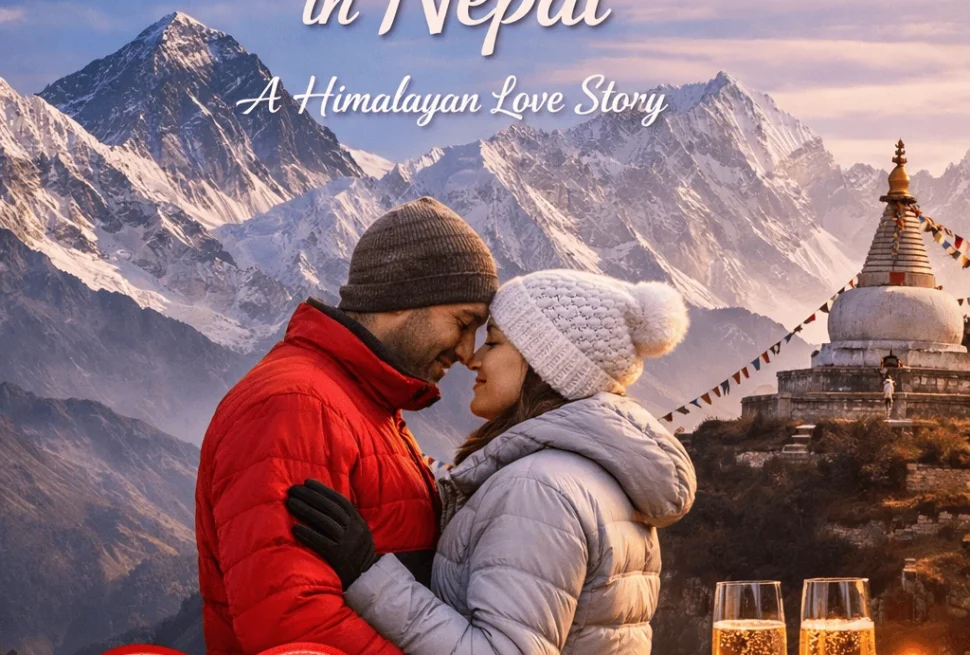
In destinations like Nepal and Bhutan:
- Trekking supports porters, guides, hotels, transport providers, farmers, and artisans.
- Cultural tourism sustains local craft industries.
- Adventure tourism creates employment in remote mountain regions.
Tourism does not only generate direct income. It stimulates infrastructure development, encourages entrepreneurship, and strengthens local supply chains.
It is not just spending — it is economic circulation.
2. Tourism and Culture: Preserving Identity Through Experience
Tourism plays a major role in protecting and promoting cultural heritage.
Festivals, rituals, traditional architecture, handicrafts, and indigenous knowledge survive because visitors value them.
In Nepal, cultural celebrations such as Indra Jatra, Bisket Jatra, Yartung Festival, Dashain, and Tihar gain international visibility through tourism.
When managed responsibly, tourism encourages communities to preserve their identity rather than abandon it. Culture becomes a living experience, not a museum exhibit.
3. Tourism and Sustainability: Protecting What We Explore
Sustainable tourism encourages environmental protection.
Responsible trekking practices in the Himalayas include:
- Waste management initiatives
- Eco-lodges
- Community-based tourism
- Conservation fees for national parks
Tourism revenue funds conservation projects, wildlife protection, and reforestation programs. Without tourism, many protected areas would struggle to sustain themselves financially.
Tourism, when managed properly, becomes a tool for environmental preservation.
4. Tourism and Governance: Policy, Infrastructure & Planning
Tourism influences governance more than people realize.
Governments invest in:
- Airports
- Roads
- Cultural site restoration
- Safety regulations
- International diplomacy
Visa policies, tourism boards, and destination branding strategies shape how a country presents itself globally. Tourism pushes governments to improve infrastructure and international standards.
5. Tourism and Psychology: Why Travel Changes People
Travel has profound psychological benefits. It:
- Reduces stress
- Expands perspective
- Builds empathy
- Strengthens relationships
- Encourages self-discovery
Trekking in the Himalayas, visiting sacred sites, or participating in local festivals transforms people internally. Tourism supports mental well-being and cross-cultural understanding.
It is not just movement — it is growth.
Tourism Is an Interconnected System
Tourism connects:
- Economics → Local prosperity
- Culture → Identity preservation
- Sustainability → Environmental protection
- Governance → Infrastructure development
- Psychology → Human transformation
When tourism grows responsibly, entire communities thrive. When tourism is ignored, economic opportunities, cultural heritage, and conservation efforts weaken.
Why Tourism Is Often Underestimated
- It is seen as luxury, not necessity.
- Its indirect impact is invisible.
- Its benefits are spread across sectors.
- Its influence is long-term, not immediate.
Yet tourism supports millions of livelihoods worldwide and acts as a bridge between cultures.
The Future of Tourism: Responsibility Over Volume
The future is not mass tourism. It is:
- Sustainable tourism
- Cultural tourism
- Community-based tourism
- Responsible adventure tourism
- High-value, low-impact travel
Countries like Bhutan have shown that tourism can prioritize value over volume. Nepal’s trekking regions demonstrate how tourism sustains remote mountain economies.
Tourism must be managed thoughtfully — but it should never be underestimated.
Final Thoughts
Tourism is not just about travel photos and hotel stays.
It is:
- An economic engine.
- A cultural guardian.
- An environmental supporter.
- A governance influencer.
- A psychological transformer.
Tourism is an ecosystem.
And when done responsibly, it becomes one of the most powerful forces for global connection and sustainable development.