
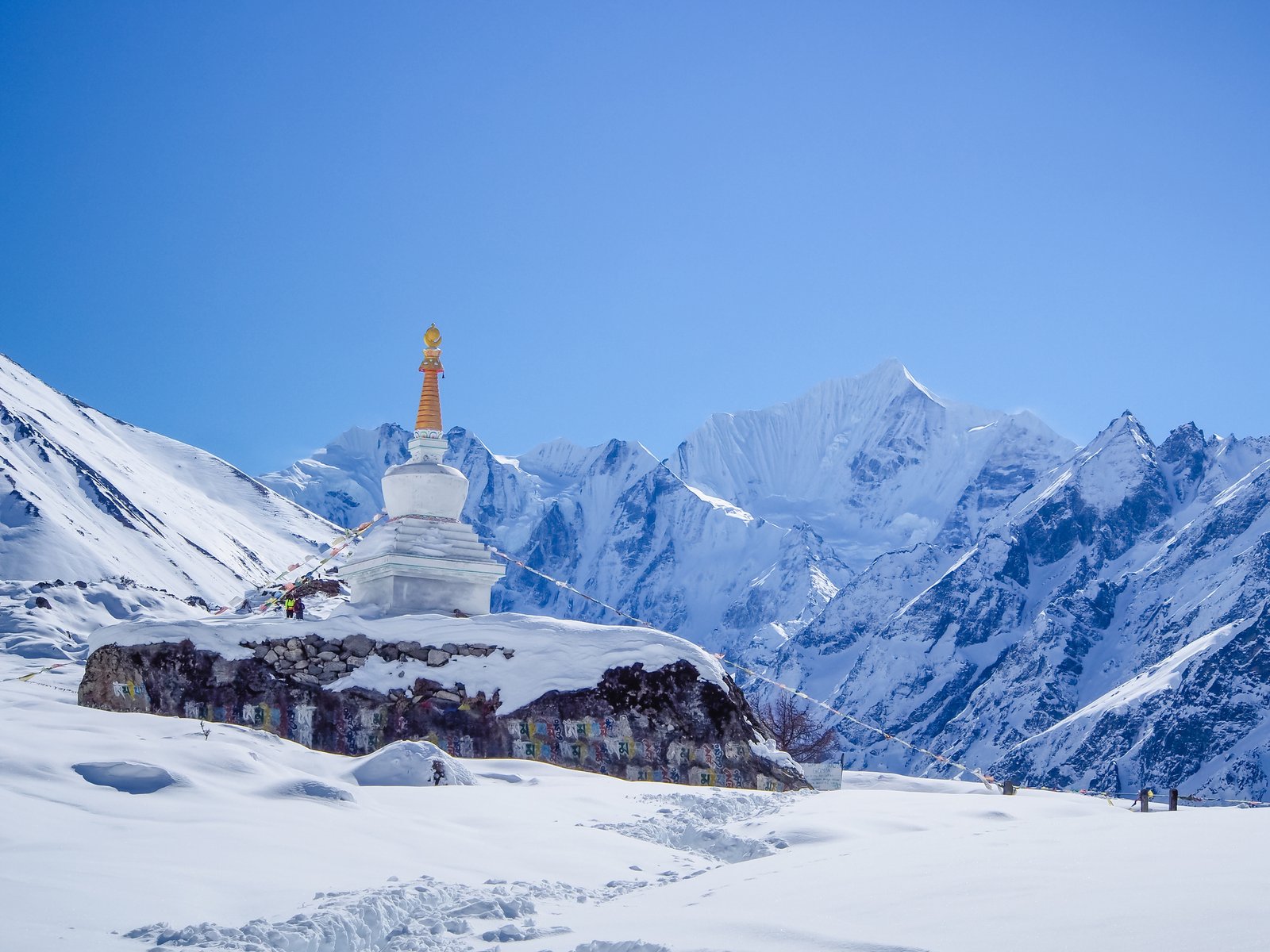
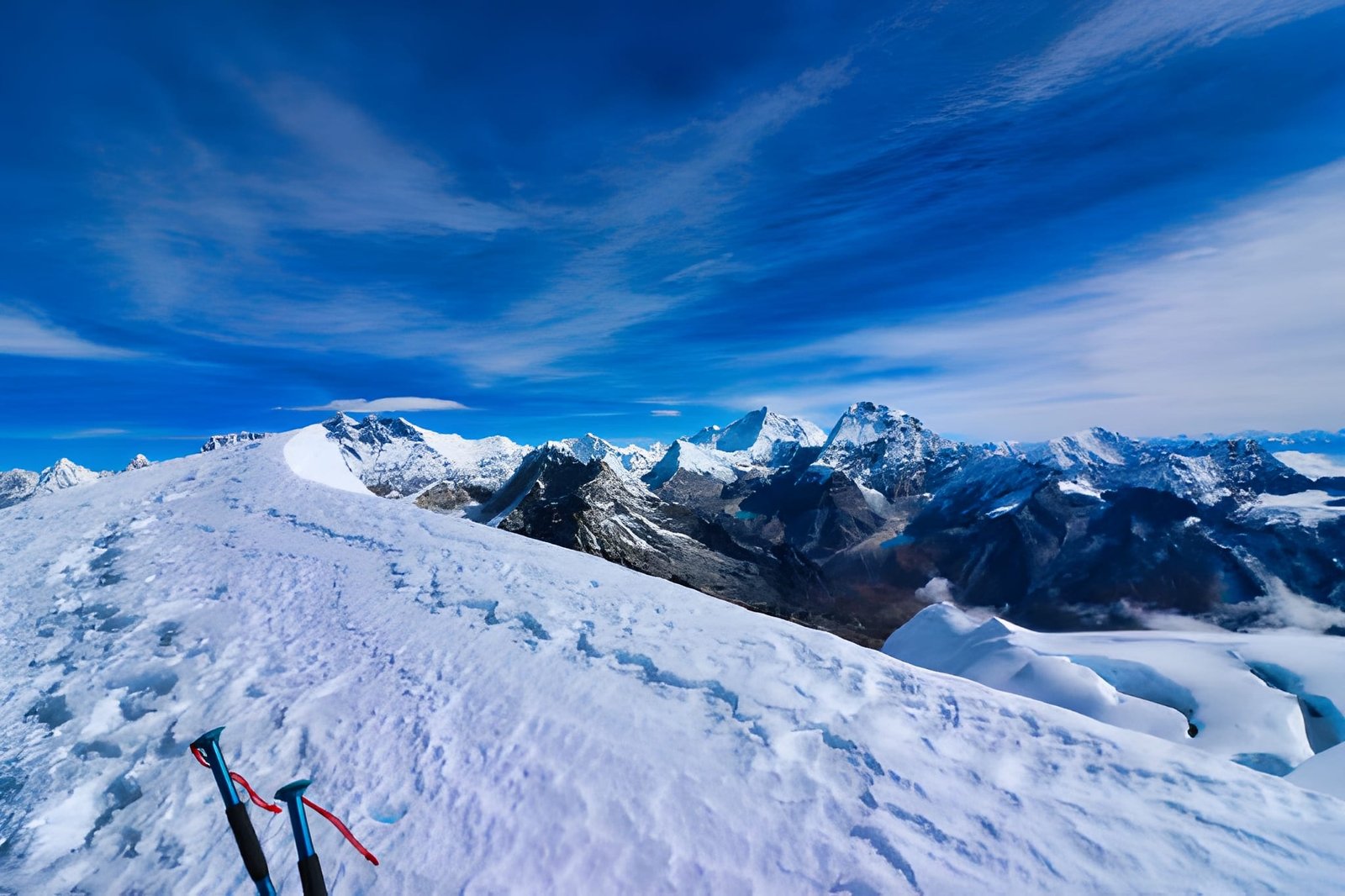
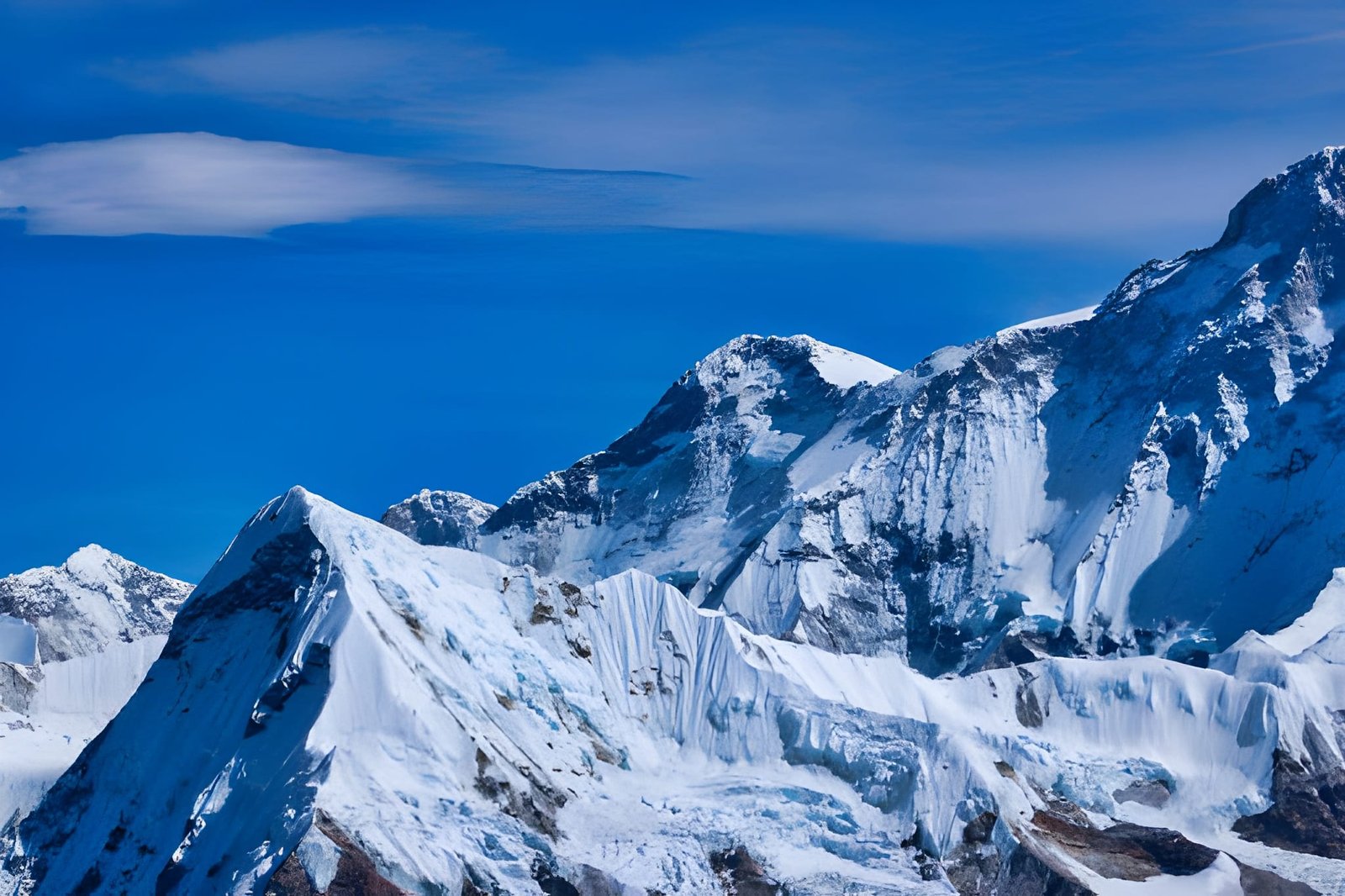
The Mustang Kingdom and Annapurna Base Camp Trek showcases two of Nepal’s most diverse Himalayan regions within a single trekking concept. The Mustang Kingdom is distinguished by its preserved Tibetan Buddhist culture, dramatic trans-Himalayan desert landscapes, ancient monasteries, and historic walled settlements that reflect centuries of Himalayan heritage. In contrast, the Annapurna Base Camp region is celebrated for its rich biodiversity, forested mountain trails, and striking alpine scenery surrounded by towering Himalayan peaks. Together, these regions highlight Nepal’s exceptional geographical and cultural range, blending timeless high-altitude traditions with classic mountain environments in a way few destinations in the world can offer.
Trip Facts
-
Kathmandu
-
Kathmandu
-
Spring & Autumn
-
Hotel & Lodge
-
Jeep, Bus & Plane
-
4,130 Meters
-
Meals on Trek
-
English, Spanish
-
NHT-205
-
02-16 People
-
All Trek Permits
-
Fully Guided Tour
Trip OverView
The Mustang Kingdom and Annapurna Base Camp Trek is an extraordinary Himalayan trekking journey in Nepal that weaves together Nepal’s ancient cultural heartland with its most celebrated mountain sanctuary. This trek offers a rare opportunity to experience two distinct trekking regions in Nepal within a single adventure, revealing the full spectrum of Nepal’s geographical and cultural diversity.
The journey begins in the remote Mustang Kingdom, a former Himalayan kingdom that remained isolated from the outside world for centuries. Characterized by its dramatic trans-Himalayan desert landscapes, wind-sculpted cliffs, and medieval villages of Upper Mustang, Mustang is deeply rooted in Tibetan Buddhist traditions. Ancient monasteries, hidden cave sanctuaries, prayer flags lining traditional mountain trails, and the walled city of Lo Manthang together express a cultural heritage of Upper Mustang that remains deeply embedded in local life.
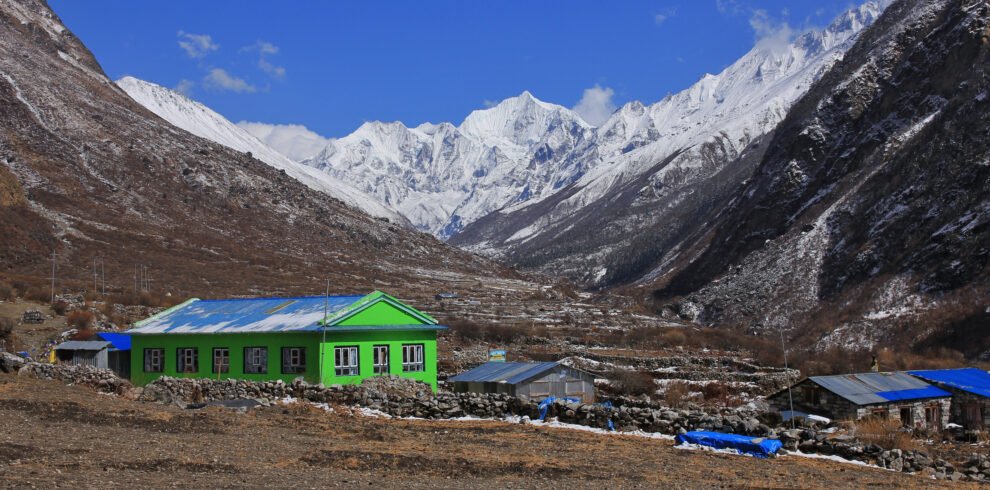
In contrast, the trek then leads into the lush and diverse environment of the Annapurna Base Camp, one of the most iconic trekking destinations in the Himalayas. Here, dense rhododendron forests, alpine meadows, and glacial valleys gradually open into a spectacular natural amphitheater surrounded by towering snow-capped Himalayan peaks. The Annapurna region offers a powerful sense of scale and beauty, with dramatic mountain scenery forming the backdrop to traditional hill communities and rich Himalayan biodiversity.
By uniting the mystical landscapes of Upper Mustang with the grandeur of the Annapurna Sanctuary, this trek delivers a deeply immersive Himalayan trekking experience that balances cultural exploration, natural diversity, and classic mountain scenery. It is an ideal choice for travelers seeking more than a single-region trek in Nepal, offering depth, contrast, and lasting impressions of Nepal’s most remarkable high-altitude environments.
Trip Highlights
- Cultural Heritage of Mustang Kingdom – Discover ancient traditions, monasteries, and village life shaped by centuries of trans-Himalayan culture.
- Dramatic Trans-Himalayan Landscapes – Experience wind-sculpted cliffs, arid valleys, and desert-like terrain unique to the Upper Mustang region.
- Historic Walled City of Lo Manthang – Explore Mustang’s medieval capital, where royal history and cultural identity remain well preserved.
- Tibetan Buddhist Influence – Encounter prayer flags, sacred sites, and spiritual practices deeply rooted in Himalayan Buddhism.
- Annapurna Base Camp Natural Amphitheater – Walk into the heart of the Annapurna Sanctuary surrounded by towering snow-capped peaks.
- Rich Biodiversity and Scenic Contrast – Travel from high-altitude deserts to forests, alpine meadows, and glacial landscapes in one journey.
- Balanced Cultural and Scenic Experience – Enjoy a rare combination of cultural depth and classic Himalayan mountain scenery in a single trek.
Tour Itinerary
The offered itinerary on this website is carefully planned; however, it may be subject to minor adjustments. The sequence of sightseeing, scheduled touristic activities, attractions, and accommodations may be modified due to weather conditions, local circumstances, or other factors beyond the control of our trusted local travel partner in Nepal. Any adjustments will always be made with the highest priority on guest safety, comfort, and the overall quality of the travel experience.
Arrive in Kathmandu, the capital of Nepal and widely known as the Temple City, located in the heart of the Himalayas and serving as the starting point of your journey through the greater Himalayan region of South Asia. The city is located at an elevation of approximately 1,400 meters (4,593 feet).
Upon arrival at Tribhuvan International Airport, you will be welcomed in the arrival hall by an airport representative from Jagadamba Holidays, our appointed local partner in Nepal. The representative will be easily identifiable by a clearly displayed welcome sign bearing the name “Natura Himalaya Tours.”
You will then be transferred by private vehicle to your hotel in Thamel, Kathmandu’s main tourist district. The airport transfer covers a distance of approximately 7 kilometers and usually takes around 40 to 45 minutes, depending on traffic conditions. Upon arrival at the hotel, luggage assistance will be provided. Early check-in is subject to availability; if rooms are not immediately ready, your luggage will be securely stored. Overnight accommodation with breakfast will be provided on a twin-sharing basis in a deluxe room at Kathmandu Guest House or a similar standard hotel in Thamel.
The remainder of the day is free for leisure, allowing time to relax or explore Kathmandu’s cultural attractions at your own pace. Thamel offers a variety of cafés, local shops, and traditional streets, providing a gentle introduction to the city’s atmosphere.
In the afternoon or early evening, you will meet our local partner and tour coordinator, Mr Narendra Bohara, at the hotel for a personal orientation session. During this meeting, the trekking plan will be discussed, your local trekking guide will be introduced, necessary travel procedures will be completed, and any remaining arrangements finalised. The remainder of the day is left free, allowing you to rest after your journey and slowly adjust to the rhythm of Nepal’s capital city.
After breakfast, depart Kathmandu and drive west toward the Trishuli River, following a scenic route through rolling hills, winding rivers, and traditional rural settlements. Upon reaching the rafting put-in point, prepare for an enjoyable rafting experience on gentle to moderate rapids, well suited for beginners and first-time rafters. The journey offers a balanced mix of excitement and safety, allowing you to appreciate the surrounding river valleys and natural landscapes. A refreshing lunch is served at the riverside after completing the rafting section.
In the afternoon, continue the scenic drive to Pokhara (822 m / 2,697 ft), travelling through lush river valleys and picturesque countryside. As you near Pokhara, the environment gradually becomes calmer, with views of green hills, serene lakes, and distant Himalayan peaks creating a relaxing transition from adventure to leisure.
Upon arrival, check in to your hotel in Lakeside, Pokhara. The remainder of the evening is at leisure to stroll along Phewa Lake, explore nearby cafés and local shops, or simply unwind in the peaceful lakeside atmosphere. Overnight stay at Hotel Middle Path or a hotel of similar standard in Pokhara, with breakfast included.
Following breakfast in Pokhara, a morning flight takes you to Jomsom (2,743 m / 9,000 ft.), offering panoramic aerial views of the Annapurna Range and Dhaulagiri Range. Upon landing near the Kali Gandaki River, you are welcomed by your trekking team, who will assist with arrangements and preparations for the day’s walk.
The trek from Jomsom to Kagbeni (2,804 m / 9,200 ft.)covers approximately 10 kilometres and typically takes three to four hours. The route involves a gradual ascent of around 320 metres and a descent of 220 metres, allowing for a comfortable pace and natural acclimatisation. The trail follows the Kali Gandaki corridor, passing through open terrain, cultivated farmland, and traditional Tibetan-influenced settlements characteristic of the Upper Mustang region.
Kagbeni is a culturally significant village known for its historic monasteries, prayer wheels, narrow stone lanes, and well-preserved Tibetan-style architecture. Overnight accommodation is arranged at Jonika Hotel in Kagbeni, with all meals included. The day’s activities are led by a qualified local Nepalese guide in coordination with our trusted local partner company.
After breakfast at a lodge in Kagbeni, the journey on foot gradually unfolds toward Muktinath (3,760 m / 12,336 ft), a destination of deep spiritual importance in the Mustang region. Steering clear of the main road, the trail winds through the lesser-visited villages of Purang and Jhong, allowing for a quieter walk and steady acclimatisation. Along the way, traditional stone homes, fluttering prayer flags, and scenes of everyday village life offer a glimpse into customs that have endured for generations.
The day’s walk spans roughly 10.9 kilometres and typically takes about 5 to 6 hours to complete. With an ascent of around 900 metres and only minimal descent, the route steadily climbs through stark high-desert terrain, narrow valleys, cultivated terraces, and isolated monasteries. Expansive views of the Annapurna and Dhaulagiri ranges appear frequently, adding dramatic scale to the Himalayan landscape.
Revered by both Hindu and Buddhist devotees, Muktinath is a place of pilgrimage and reflection. The Muktinath Temple is especially significant, known for its natural water spring, a line of 108 sacred water spouts, and continuously burning butter lamps that symbolise cleansing and renewal. Accommodation for the night is arranged at Hotel Eureka Inn, with all meals provided. Throughout the day, the trek is guided by an experienced local Nepalese guide, working closely with a trusted local partner to ensure both safety and cultural insight.
After a hearty breakfast at your hotel in Muktinath, the journey continues by 4WD jeep toward Tatopani (1,190 m / 3,904 ft). The drive follows the dramatic Kali Gandaki Valley, descending from the dry Mustang plateau through rugged cliffs, deep gorges, and fertile river valleys. This route clearly shows the striking geographical contrast between Upper Mustang and Lower Mustang.
The road passes through Jharkot, a traditional settlement known for its mud-brick houses, monasteries, and Tibetan-influenced culture. A short stop at Dhumba Lake provides time for photography and quiet reflection. As the landscape becomes greener, the journey ends in Tatopani. Time is set aside to experience the area’s famous natural hot springs, where soaking in mineral-rich, naturally heated water helps relieve muscle fatigue and restore energy after days of mountain travel. The jeep journey covers approximately 70 kilometres and usually takes 2–3 hours, offering a smooth transition from high-altitude terrain to warmer valley landscapes.
Accommodation for the night is provided at Hotel Himalaya, with all meals included. Set in a peaceful valley surrounded by green hillsides, the hotel offers easy access to the public hot springs. The entire day is led by a professional local Nepalese guide in coordination with our trusted local partner.
After breakfast in Tatopani, the trek begins toward Ghorepani (2,874 m / 9,430 ft), passing through the traditional villages of Shikha and Chittre. The trail climbs steadily through rhododendron, oak, and pine forests, with views of terraced farmland and rural settlements. This section of the Mustang Kingdom and Annapurna Base Camp trek offers a rewarding mix of nature and local culture.
The walk covers about 15 km and takes 7–8 hours, with a continuous ascent through forested hillsides. As you gain height, views open toward the Annapurna and Dhaulagiri ranges, adding dramatic Himalayan scenery to the day. Reaching Ghorepani by late afternoon, trekkers can relax in the village or prepare for the famous Poon Hill hike, known for sunrise and sunset mountain views.
Overnight accommodation is arranged at Hotel Snow Land, with all meals included. The hotel offers a comfortable alpine setting with mountain surroundings. The trek is guided by a professional local Nepalese guide from our trusted local partner, ensuring a safe and well-managed day on the trail.
An early start begins with the hike to Poon Hill (3,210 m / 10,531 ft), one of the most renowned viewpoints on the Annapurna trekking routes. The round-trip hike is approximately 2.75 km and takes around 1.5–2 hours, following a well-defined trail with gentle ascent and descent. From the summit, sunrise over the Himalayas gradually lights up the skyline, revealing wide views of the Annapurna, Dhaulagiri, Machhapuchchhre (Fishtail), and Nilgiri peaks—an exceptional moment for photography and quiet observation.
After returning to Ghorepani for breakfast, the trek continues toward Tadapani (2,630 m / 8,628 ft). The trail passes through dense rhododendron and oak forests, crossing small streams and waterfalls while connecting traditional villages and terraced farmland. This section covers roughly 8 km and takes about 5–6 hours, combining gentle descents with gradual climbs. Several viewpoints along the route provide clear perspectives of the Annapurna and Dhaulagiri ranges.
Accommodation for the night is provided at Fishtail View Top Lodge, where breakfast, lunch, and dinner are included as part of the stay. Set in a quiet forest environment, the lodge offers open Himalayan views and a peaceful setting for rest after the trek. The day is supported by an experienced local Nepalese guide working in coordination with our trusted local partner.
After breakfast in Tadapani, the trek continues toward Chhomrong (2,178 m / 7,142 ft). The trail descends through lush forests and open hillsides. Along the way, small villages and terraced fields reflect everyday mountain life. Views of the Annapurna range gradually unfold as the landscape changes.
The trek covers 9 km and takes 5–6 hours, with an ascent of 390 m and a descent of 880 m. The terrain is moderately challenging but well paced, combining forest trails, suspension bridges, valley viewpoints, and panoramic views of the Annapurna and Machhapuchchhre (Fishtail) ranges.
Accommodation for the night is at Chhomrong Cottage. All meals are included. The lodge is located within the village and offers views of Machhapuchchhre (Fishtail) and Annapurna South. The day is guided by an experienced local Nepalese guide working with our trusted local partner.
After breakfast in Chhomrong, the trek continues toward Dovan (2,600 m / 8,530 ft). The trail begins with a descent through terraced fields and village paths, offering a glimpse into everyday Gurung life, before gradually climbing into dense bamboo, rhododendron, and oak forests. Suspension bridges, forest streams, and shaded slopes create a calm and scenic walking environment.
The trek covers approximately 9.56 km and takes 5–6 hours. It includes a 780 m ascent and a 450 m descent, making the day moderately challenging but well paced. Forest trails, small settlements, and occasional viewpoints combine to deliver a balanced mix of natural scenery and cultural experience, suitable for trekkers with varied fitness levels.
As the route enters quieter valleys, views open toward Annapurna South and Machhapuchchhre (Fishtail), framed by forested hillsides and fresh mountain air. Accommodation for the night is provided at Dovan Guest House, where all meals are included. Set beside forested slopes and river gorges, the lodge offers a peaceful place to rest and recharge. The day is supported by an experienced local Nepalese guide working with our trusted local partner.
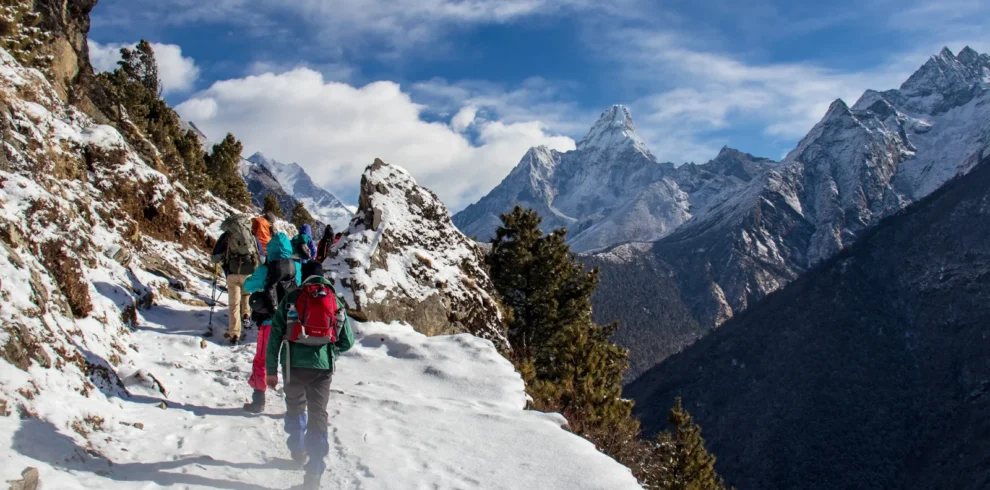
After breakfast in Dovan, the trek climbs steadily into the Annapurna Sanctuary toward Machhapuchchhre Base Camp (3,700 m / 12,139 ft). The trail ascends along narrow hillside paths, with crisp alpine air and expanding views of the surrounding Himalayan peaks. As altitude increases, the landscape opens into wide alpine terrain, creating a strong sense of remoteness and Himalayan scale.
The walk covers approximately 8.97 km and takes 5–6 hours, with a continuous 1,200 m ascent and minimal descent. This makes the day moderate to strenuous, mainly due to sustained uphill sections and rocky terrain. The route passes through bamboo groves, sparse alpine forest, and open clearings crossed by cold mountain streams, offering a scenic and important acclimatisation stage before higher elevations.
Accommodation for the night is provided at Fishtail Guest House, where all meals are included. Set in a broad alpine basin beneath Machhapuchchhre and Annapurna III, the lodge offers a quiet high-mountain setting to rest and take in the surroundings. The day is supported by an experienced local Nepalese guide working with our trusted local partner.
After an early breakfast at Machhapuchchhre Base Camp, the trek continues into the heart of the Annapurna Sanctuary toward Annapurna Base Camp (4,130 m / 13,550 ft). The trail opens into a wide alpine basin where the towering faces of Annapurna I (8,091 m), Hiunchuli (6,441 m), and Tent Peak (7,129 m) dominate the skyline. Crisp mountain air and early light on snow-covered ridges heighten the sense of scale and anticipation as the final approach unfolds.
The walk covers approximately 3 km and takes 2–3 hours, with an elevation gain of 400 m. While the path is not steep, the altitude makes the section moderate, requiring a steady pace and careful breathing. This short but meaningful stage marks the culmination of days of trekking and acclimatisation across the Annapurna region, rewarding persistence with ever-expanding mountain views.
The route follows rocky glacial trails, patches of alpine grass, and icy streams, set within a vast and open landscape. On arrival, Annapurna Base Camp (ABC) offers a 360-degree panorama of surrounding peaks, glaciers, and ridgelines, creating a quiet and reflective atmosphere. Accommodation for the night is provided at Annapurna Sanctuary Lodge, where all meals are included. Set amid the high-altitude sanctuary, the lodge provides a calm place to rest before sunrise. The day is supported by an experienced local Nepalese guide working with our trusted local partner.
After witnessing the sunrise at Annapurna Base Camp, the trek begins its long descent toward Bamboo (2,310 m / 7,579 ft). The trail follows the Annapurna Sanctuary route, gradually leaving behind glacial terrain and wide alpine basins as the landscape transitions into alpine meadows and forested slopes. Changing light across the mountains and valleys offers a reflective walking experience while returning to lower elevations.
The descent covers approximately 14.1 km and takes 6–7 hours. It involves a significant 1,810 m elevation loss, with only minor ascents along the way, making the day moderate mainly due to distance and sustained downhill sections. Careful footing is required on stone stairways and uneven trails, especially as the path winds through narrowing valleys. Despite the physical demand, the route feels rewarding as the environment becomes greener and more sheltered.
The trail passes through oak, rhododendron, and bamboo forests, with shaded corridors, flowing streams, and occasional clearings that frame distant snow-capped Himalayan peaks. The return of forest birdlife and seasonal vegetation adds contrast to the high-altitude days above. Overnight accommodation is arranged at Green View Lodge, where all meals are included. Set in a quiet forest hamlet, the lodge provides a calm place to rest and recover. The day is guided by an experienced local Nepalese guide working with our trusted local partner.
After breakfast in Bamboo, the trek begins its final descent toward Jhinu Danda. The trail leads through dense bamboo and subtropical forests, where warmer air and rich greenery signal a clear change from the high alpine environment. Passing small villages and terraced hillsides, the walk offers a calm and scenic return to lower elevations.
The route covers 10.6 km and takes around 4–5 hours, with a descent of 1,190 m and a gentle ascent of 550 m. Stone stairways, forest paths, and short climbs balance the downhill sections, making the trek moderate and comfortable. Along the way, streams, shaded corridors, and birdsong enhance the walking experience.
As the trail approaches Jhinu Danda Bus Stop (1,681 m / 5,515 ft), the landscape opens into rural foothills. Many trekkers choose to pause at the nearby Jhinu Danda hot springs, enjoying the natural warm pools as a relaxing reward after completing the final major trekking day of the Annapurna Base Camp trek.
From the bus stop, the journey continues by private 4WD jeep toward Pokhara (approximately 3–4 hours). The drive follows a scenic gravel road to Nayapul before joining a smooth black-topped highway for the final stretch. The drive passes river valleys, farmland, and small settlements before reaching the lakeside city, bringing the Annapurna Base Camp trekking journey to a comfortable and well-paced conclusion.
After breakfast in Pokhara, you board a scenic domestic flight to Kathmandu (1,400 m/4,593 feet), enjoying panoramic aerial views of terraced valleys, winding rivers, and distant snow-capped Himalayan peaks illuminated by the morning light. The short flight offers a calm and visually rewarding perspective on the landscapes explored during the trek, linking the natural tranquillity of Pokhara with the cultural energy of the capital.
The flight takes approximately 25 minutes and involves no physical effort, making this a light and restful day. From the air, the gradual transition from forested hills and rural farmland to the broad Kathmandu Valley is clearly visible, creating excellent opportunities for photography and reflection on the Annapurna journey.
On arrival in Kathmandu, you are transferred to your hotel, where the pace of the day remains relaxed. The city’s streets reveal a blend of historic temples, vibrant markets, and everyday urban life, offering a gentle reintroduction to civilisation after time spent in the mountains.
Accommodation is arranged at Kathmandu Guest House or a hotel of similar standard, with all meals included. Located in a central area, the hotel provides a comfortable base to rest, explore nearby neighbourhoods at leisure, or enjoy traditional Nepali cuisine. The day is supported by an experienced local Nepalese team working with our trusted local partner, ensuring a smooth and relaxed conclusion to the Mustang Kingdom and Annapurna Base Camp Trek.
As your remarkable adventure through the Himalayas comes to a close, take a moment to reflect on the awe-inspiring landscapes, rich cultural heritage, and unforgettable experiences that have defined your journey. From towering mountain scenery to the warm hospitality of local communities, each step has created lasting memories of connection and discovery in Nepal.
Airport Transfer Arrangement
For a smooth and stress-free departure, a representative of our trusted local partner in Nepal will meet you at your hotel approximately 3.5 hours before your scheduled flight. The team will ensure a reliable and comfortable transfer to Tribhuvan International Airport, allowing you to conclude your Nepal experience with ease and peace of mind.
We sincerely thank you for traveling with us and look forward to welcoming you again on future journeys across the Himalayas and beyond.
What’s Included & What’s Not Included
Cost Includes
- All transfers within Nepal are included as per itinerary
- Any domestic flight of Nepal as per trekking itinerary
- Trekking accommodation (hotel, lodge and/or tent) as per itinerary
- Small shared room with shared bathroom during trek in Nepal
- In Kathmandu and/or Pokhara: Stay at ***Hotel with breakfast
- Luggage for porters during the trek (12.5 kg/person)
- 3 meals (Breakfast, Lunch and Dinner) during the trek
- Unlimited tea or coffee for breakfast during the trek
- An English speaking guide (trekking/tour) as per Itinerary
- Travel insurance for trekking staff (guides and porters)
- All expenses of trekking staff(s) during trekking
- Includes all conservation, national park, trekking, and climbing permits
- Sightseeing / Wildlife tours if included in the itinerary
- Farewell dinner in Kathmandu before returning home
Cost Excludes
- Single room/single tent surcharge (on request)
- Round trip/one way international flight ticket to Nepal.
- Tourist visa for Nepal (30-50 $, depending on length of stay)
- Personal Insurance (covers: Trip/flight cancellation, helicopter rescue)
- Meals (lunch, dinner) at hotels in Kathmandu, Pokhara and other cities
- Drinks (soft, hot or mineral/boiled water) during the lodge trek
- Any personal trekking and/climbing equipment for trekking in Nepal
- Hotel expenses in case of early return from trekking for any reason
- Costs due to flight cancellations & extra porters/horses during the trek
- Additional costs incurred due to any reason beyond Jagdamba’s control
- More evidence about pandemics like COVID-19 if needed in the future.
- Personal expenses during the trek (phone, wifi, shower, charging etc.)
- Other costs and things that are not mentioned in the service inclusion
- Gratuity for trekking staff (recommended: 9€ /10$ per traveler per day)
Essential Trip Information
The best time for this trip is spring (March–May) and autumn (September–November), when the weather is stable and mountain views are clear.
-> Kathmandu & Pokhara: 18–28°C daytime
-> Mid-hill villages: 12–22°C
-> High altitude (Muktinath & Annapurna Base Camp): 5–12°C daytime, below freezing at night
Spring features blooming rhododendrons, while autumn offers the clearest Himalayan panoramas. Winter is colder, and the monsoon season affects lower regions, though Mustang remains relatively dry.
This is a moderate to moderately challenging trek, suitable for fit travelers who can walk 5–7 hours per day. Prior trekking experience is helpful but not required, and no technical climbing skills are needed.
The highest point reached on this itinerary is Annapurna Base Camp at 4,130 meters (13,550 feet), achieved with a gradual ascent and proper acclimatization.
The itinerary is designed with gradual altitude gain and built-in acclimatization. Experienced guides monitor health daily, encourage proper hydration, and arrange immediate descent or medical assistance if symptoms occur.
Accommodation includes comfortable 3-star hotels in major cities. During the trek, accommodation is in clean and well-maintained local tea houses (mountain lodges) when you book a tea house or lodge trek. Facilities in the mountains are simple, with basic rooms and shared bathrooms in some places, but they are warm, safe, and welcoming.
Meals during the trek are freshly prepared in local tea houses and include a mix of Nepali and simple international dishes. Common meals include dal bhat (rice and lentils), rice, noodles, soups, vegetables, potatoes, eggs, and basic Western-style foods. Vegetarian meals are widely available, and special dietary needs can often be accommodated with advance notice.
Yes. White water rafting on the Trishuli River is suitable for beginners and first-time rafters. The trip is operated by professional and licensed river guides, using certified safety equipment, and includes a full safety briefing before the rafting begins.
The scenic flight to Jomsom is short and usually operated in the early morning, when weather conditions are most stable. All flights follow strict aviation safety regulations. Because safety comes first, flights are weather-dependent, and delays or cancellations may occur if conditions are not suitable.
Muktinath is one of the most important pilgrimage sites in Nepal for both Hindus and Buddhists. It is famous for its sacred temple, eternal flame, and 108 holy water spouts, and is set in a dramatic high-altitude desert landscape in the Mustang region.
Yes. All required trekking permits are included and arranged by the tour operator, including the Annapurna Conservation Area Permit (ACAP) and TIMS card, so guests do not need to manage permits themselves.
Hot showers and charging facilities are available at many trekking lodges, usually for a small additional charge. Electricity is limited at higher altitudes, and Wi-Fi access becomes slow or unavailable, so it should not be relied upon during the trek.
Essential items include comfortable trekking boots, layered clothing, a warm down jacket, rain gear, gloves and a hat, sunscreen, a reusable water bottle, and personal medications. A detailed packing list will be provided before departure to help guests prepare properly.
Yes. Travel insurance is mandatory and must cover high-altitude trekking (up to 4,500 meters) and emergency helicopter evacuation in Nepal.
Many reputable travel insurance companies offer suitable coverage for trekking in Nepal, including UNIQA Insurance Group AG, World Nomads, Allianz SE, and Cover-More Insurance Services Pty Ltd.
The most important factor is that the policy clearly includes high-altitude trekking and emergency helicopter evacuation. Policies without these inclusions will not be valid for rescue or insurance claims during Himalayan trekking.
This itinerary combines white-water rafting, Mustang culture, sacred pilgrimage sites, natural hot springs, the Poon Hill sunrise, and the classic trek through Machhapuchchhre Base Camp to Annapurna Base Camp, offering maximum diversity and value in a single Himalayan adventure.



Write a Review