
Nepal Travel FAQs
Explore “Know Before You Go”!
We are pleased that you are considering joining one of our tours. This guide has been thoughtfully prepared to provide answers to the most common questions, helping you plan effectively, travel with confidence, and know exactly what to expect.
Should you have any additional questions or require personalized assistance, please feel free to contact us via phone, WhatsApp, or our contact form. Our team is committed to ensuring your journey is safe, seamless, and truly memorable.
Our main office is in Poland, with all contact details, including email and phone, listed in the footer of our website. For travelers in Nepal, our partner company is in Kathmandu, with detailed information also available in the website footer.
The Kathmandu office is conveniently located in the heart of Thamel, near our meeting points and popular accommodations such as Kathmandu Guest House and Kailash Kutee Hotel, making it easy for visitors to stop by if needed.
Poland-based travelers can contact us via email, phone, or WhatsApp. While in Nepal, we provide 24/7 emergency support to ensure prompt assistance. The key contact person in Nepal is Narendra Bohara, founder of Jagadamba Holidays (WhatsApp: +977-9851082817).
This arrangement ensures travelers have both local and international support throughout their trip, providing peace of mind and easy access to assistance whenever needed.
Discover Nepal’s mountains, culture, and vibrant traditions. From the Himalayas to historic cities, explore its unique landscapes and rich heritage. Here is more about Nepal:
History:
Nepal has a rich and ancient history shaped by kingdoms, dynasties, and trade routes connecting South and Central Asia. The Malla and Shah dynasties played major roles in unifying the country and fostering art, architecture, and culture, especially in the Kathmandu Valley. Nepal remained an independent monarchy for centuries, successfully avoiding colonization, and became a federal democratic republic in 2008. Visitors can explore the country’s temples, palaces, monuments, and historic sites to gain insight into its unique cultural and historical heritage.
Geography:
Nepal is a landlocked country in South Asia, bordered by India and China (Tibet), covering approximately 147,516 km². Its diverse landscapes range from the subtropical Terai plains in the south, through rolling hills and mid-mountain regions, to the Himalayan mountains in the north, home to Mount Everest and other towering peaks. This variety makes Nepal a top destination for trekking, mountaineering, adventure tourism, and for travelers interested in scenic drives and rural exploration.
Climate:
Nepal’s climate varies significantly by altitude. The lowlands below 1,200 meters are tropical and humid, while the mid-hills (1,200–2,400 meters) have temperate weather, ideal for trekking. Higher elevations (2,400–3,600 meters) ar
Nepal is a unique destination where majestic mountains, rich culture, and diverse landscapes converge. The country is home to some of the tallest peaks on Earth, including Mount Everest, making it a favorite for trekkers, climbers, and adventure seekers.
Beyond its towering mountains, Nepal features ancient cities, historic temples, and UNESCO World Heritage sites that showcase centuries of art, architecture, and tradition. Travelers can explore peaceful valleys, flowing rivers, and wildlife sanctuaries, immersing themselves in the country’s natural beauty.
For those interested in culture, Nepal offers vibrant festivals, lively markets, and traditional villages, giving visitors a glimpse into daily life and local customs. The combination of adventure, nature, and cultural experiences ensures that Nepal appeals to every type of traveler, from thrill-seekers to heritage enthusiasts.
Most visitors can easily obtain a Visa on Arrival at Tribhuvan International Airport in Kathmandu or at designated land border crossings with India and Tibet (China). To apply, you will need a passport valid for at least six months, a few passport-sized photos, and payment for the visa fee, which varies depending on whether you plan to stay for 15, 30, or 90 days.
For added convenience, especially during peak travel seasons, many travelers choose to apply for a pre-approved e-visa. This option speeds up the entry process and reduces waiting time at immigration counters. Before traveling, always check the latest visa requirements on the official Nepal Immigration website, as rules and fees can change.
Nepal is a destination that can be enjoyed year-round, but the most popular times for visitors are spring (March–May) and autumn (September–November). In spring, the hills and valleys burst into color as rhododendrons bloom, and temperatures remain comfortable, making it an ideal time for treks, nature walks, and sightseeing. Autumn offers clear skies, crisp air, and stunning mountain views, perfect for photography and high-altitude adventures.
Winter (December–February) is generally quieter, providing a peaceful experience for travelers willing to brave colder temperatures. It is especially suitable for treks in lower and mid-hill regions, though snow can make higher-altitude routes more challenging. Monsoon season (June–August) brings heavy rainfall, which can make trails slippery and prone to landslides, limiting access to mountain areas. However, the countryside becomes vibrant and green, and popular tourist spots are much less crowded during this time.
When deciding the best season for your visit, consider the activities you want to do, the scenery you hope to enjoy, and your comfort with weather conditions. Proper timing can help you make the most of Nepal’s natural beauty and cultural experiences.
Nepal’s official currency is the Nepalese Rupee (NPR). In larger cities and popular tourist destinations such as Kathmandu, Pokhara, Chitwan, Lumbini, Bandipur, Nagarkot, and Dhulikhel, ATMs are widely available, making it generally easy to withdraw cash. In contrast, rural villages and trekking areas often have few or no ATMs, so it is advisable to carry enough cash for daily expenses, small purchases, meals, and trekking permits.
While many hotels, restaurants, and larger shops accept credit or debit cards, smaller towns and mountain lodges typically operate on a cash-only basis. Some travelers also bring a small amount of US dollars for emergencies, park permits, or border fees. Planning ahead and knowing where cash is necessary versus where cards are accepted will help avoid unexpected difficulties.
On trekking routes, some stretches may go several days without ATM access, so carrying extra cash and keeping it secure is important for a smooth journey.
Internet and mobile networks are reliable in Nepal’s main cities and major tourist destinations. Travelers can purchase local SIM cards for calls and data at affordable prices at the airport, in Thamel, or near their hotel in the Kathmandu Valley. Jagadamba Holidays, the local partner of Natura Himalaya Tours, can also assist with this process. In rural villages and on trekking routes, the signal may be weak or completely unavailable. Many lodges along trekking routes offer Wi-Fi, often for a small fee.
To stay connected in areas with limited service, travelers should download offline maps, save important contacts, and store essential travel documents digitally before heading into remote regions.
Most trekking routes in Nepal require a Trekking Information Management System (TIMS) card and a national park or conservation area permit. The TIMS card is mandatory for foreign trekkers and helps authorities track and support trekkers in case of emergency. National park and conservation area permits are required to enter protected regions such as Everest, Annapurna, and Langtang.
High-altitude, restricted, and border regions – including Upper Mustang, Manaslu, Tsum Valley, Kanchenjunga, Limi Valley, and Dolpo – require special restricted-area permits in addition to TIMS and park permits. These special permits can only be arranged through a registered trekking agency in Nepal.
Permit fees, application processes, and timing requirements vary by region and season. Securing permits well before your trek begins ensures a smooth start and prevents delays at checkpoint entrances.
Hiring a licensed trekking guide is mandatory in several restricted areas of Nepal and is highly recommended for most Himalayan trekking routes. A professional guide manages route navigation, trekking permits, accommodation bookings, and daily planning. Guides are trained to monitor altitude and recognize signs of altitude sickness, helping ensure your safety on high mountain trails.
A porter carries your gear – usually up to 20–25 kilograms – so you can trek more comfortably and focus on the trail. Ethical trekking operators provide guides and porters with proper insurance, clothing, and fair wages. Tipping is customary in Nepal, especially for porters and guides, and is typically given collectively at the end of the trek. Using guides and porters enhances safety and comfort, and directly supports local mountain communities.
Packing the right gear can make a big difference in comfort, safety, and enjoyment during your Nepal trek. Start with layered clothing that adapts to changing temperatures. Pack a warm insulated jacket, moisture-wicking base layers, comfortable trekking trousers, and reliable rain protection to handle Nepal’s changing mountain weather. Equally important are well-broken-in hiking boots, which provide the grip and support needed on rocky and uneven trails.
Bring sun protection (hat, sunglasses, and SPF sunscreen), personal hygiene items, and prescription medications you need. A headlamp with extra batteries, a quality first-aid kit, and waterproof cases for important documents are also vital.
For backpacks, a large 45–60 L pack for your main gear and a smaller daypack for water, snacks, and trail essentials strikes the right balance of functionality and comfort; for more detailed information about trekking gear in Nepal, please visit our Travel Checklist.
Accommodation in Nepal varies widely from urban centers to high mountain trails. In Kathmandu, Pokhara, Chitwan, and other tourist hubs, travelers can choose from luxury hotels, mid-range guesthouses, and budget lodges to fit their travel style and budget.
On trekking routes, the most common lodging option is the teahouse — simple guest houses run by local families. Teahouses (also called mountain lodges) are the standard accommodation along trekking routes in Nepal, offering basic rooms, shared bathrooms, and communal dining areas where trekkers can rest and socialize. Hot water and heating may not be available in higher-altitude or remote lodges.
As elevation increases, amenities become more rustic. It’s wise to carry personal items like warm clothing, toiletries, and a headlamp, as these are not always provided. Booking teahouse rooms in advance during peak season (spring and autumn) is recommended, and accommodation costs tend to rise with altitude due to supply and transport challenges.
Nepalese food is hearty, nutritious, and suited to trekking energy needs. The staple meal throughout Nepal is dal bhat, a combination of lentils, rice, vegetables, and sometimes meat, providing balanced carbohydrates and protein.
In cities and major tourist towns, restaurants also serve international cuisine including pasta, pizza, sandwiches, and Asian dishes to suit global tastes.
On trekking routes, menus are simpler but filling. Typical meals include vegetable soups, noodle dishes, eggs, chapati, and local snacks like momo dumplings. Meal prices typically increase with altitude because supplies must be carried in or flown by helicopter.
For hygiene and energy, choosing freshly cooked food in teahouses is recommended. Carry lightweight snacks like nuts, energy bars, and dried fruit for long hiking days. Always drink safe, purified water — whether treated with a filter, purification tablets, or boiled — to avoid illness on the trail.
Domestic flights in Nepal are generally safe and reliable when operated by reputable airlines with experienced pilots and proper maintenance standards. Most major airlines follow strict safety protocols and aircraft inspections, which align with international aviation regulations. However, Nepal’s unique geography — especially mountainous terrain and rapidly changing weather patterns — can occasionally affect flight schedules.
Flight delays and cancellations are common in regions like Lukla, Jomsom, and Mustang, where winds, fog, or storms can develop quickly. To avoid travel disruptions, it’s wise to allow buffer days in your itinerary, particularly if you are connecting flights with trekking departures or tours. Booking flights early, checking weather updates, and flying with trusted carriers improves reliability and overall travel confidence.
Choosing an experienced travel company for your Nepal trip brings peace of mind and practical advantages. Established operators handle all logistics, from securing necessary trekking permits to arranging transportation, accommodation, and guide services. They ensure that every part of your journey — from arrival to departure — runs smoothly.
Experienced companies also prioritize safety and well-being. They assign licensed guides, adhere to ethical porter practices, and provide emergency support when needed. Their deep local knowledge helps you avoid common pitfalls, navigate cultural nuances, and make the most of your time in Nepal. Whether you’re trekking high in the mountains or exploring cities and heritage sites, a reputable travel partner enhances your experience and allows you to travel with confidence.
For our trips, we choose our local partner Jagadamba Holidays after careful evaluation and personal experience in the Himalayas. Their team of guides has been active in Nepalese tourism since 1985, and Narendra Bohara, who has been working in the tourism industry since 1996, became the owner of Jagadamba Holidays in 2019. Their experienced guides and well-trained team ensure high-quality services and a memorable travel experience.
Proper physical preparation is key to enjoying your trek in Nepal and reducing the risk of injury or altitude sickness. Begin with regular cardiovascular exercises such as walking, jogging, swimming, or cycling to build endurance and improve lung capacity. Consistency matters — aim to train several times per week in the months leading up to your trek.
In addition to cardio, include strength training to build leg and core muscles. Exercises like squats, lunges, step‑ups, and planks improve stability on uneven trails. Practicing hikes with a loaded backpack helps your body adapt to carrying weight over long distances. Finally, include rest and recovery days in your training plan, and make time for stretching or yoga to maintain flexibility. During the trek itself, allow acclimatization days at higher altitudes to help your body adjust and prevent altitude‑related illnesses.
Trekking guides are essential partners on your journey through Nepal’s trails, especially in high‑altitude or less developed regions. A trained guide plans your daily routes, monitors weather and trail conditions, and assists with navigation in complex or changing terrain. They secure all required permits, manage lodge reservations, and coordinate logistics so you can focus on the adventure.
Beyond logistics, guides play a crucial role in maintaining your health and safety. They observe signs of altitude sickness, advise on pacing and hydration, and manage responses to emergencies. Many guides also enrich your trek with local cultural and historical insights, introduce you to community customs, and translate where needed. Their presence boosts confidence, enhances the overall experience, and makes your trek safer and more meaningful.
Porters are invaluable for helping trekkers enjoy Nepal’s trails with greater ease and comfort. Ethical trekking operators usually limit porter loads to 20–25 kilograms (44–55 pounds) per person, which is sufficient to carry essential gear and reduce physical strain on trekkers. This weight limit prioritizes the safety and well‑being of porters while ensuring your luggage travels securely.
Reputable companies also provide porters with insurance coverage, appropriate clothing, and fair wages, reflecting responsible and sustainable tourism practices. Hiring porters allows you to carry a lighter load, trek with more energy, and focus on the scenery and experience rather than heavy gear. Tipping porters at the end of the trek — while optional — is a common way to show appreciation for their hard work and support.
Yes — travel insurance is essential for anyone visiting Nepal, especially those planning outdoor activities like trekking or mountaineering. Accidents, sudden illness, lost luggage, or trip cancellations can happen anywhere, and Nepal’s mountainous terrain makes emergency services more complex and expensive than in many other destinations.
A comprehensive travel insurance policy should include:
High‑altitude trekking coverage — since many standard plans exclude activities above certain elevations.
Emergency medical expenses — including hospital care, treatment of injury or sickness, and medication.
Emergency evacuation and helicopter rescue — one of the most critical inclusions, as evacuations from remote areas can cost thousands of dollars.
Trip interruption and cancellation — in case weather delays your flight, or other unforeseen events alter your plans.
Before you travel, carefully check your policy’s altitude limits, activity coverage, and exclusions. Many travelers purchase a policy that specifically covers high‑altitude trekking to ensure full protection throughout their journey.
Altitude sickness, also known as acute mountain sickness (AMS), can affect anyone ascending above about 2,500 meters (8,200 feet). It occurs when your body doesn’t have enough time to adjust to reduced oxygen levels in higher elevations.
To prevent or manage altitude sickness:
Ascend gradually — increasing elevation slowly allows your body to acclimatize naturally.
Stay properly hydrated — drink plenty of water regularly throughout the day during your trek.
Get adequate rest — avoid overexertion, especially on your first days at a new altitude.
Avoid alcohol and sedatives — these can worsen symptoms.
Recognize early signs — headaches, nausea, dizziness, and fatigue are common.
Experienced guides are trained to identify the earliest symptoms and will recommend rest or descent if needed. In moderate cases, medications like acetazolamide may be prescribed (always consult a doctor before your trip). In severe cases — such as high‑altitude pulmonary edema (HAPE) or high‑altitude cerebral edema (HACE) — an immediate descent and medical attention are critical. Planned acclimatization days on longer treks significantly reduce the risk and make your experience safer and more enjoyable.
In most parts of Nepal, tap water is not safe to drink without proper treatment. Contaminated water can contain bacteria, viruses, and parasites that lead to gastrointestinal illness. This risk is especially high in rural villages and on trekking routes where water treatment infrastructure is limited.
Safe drinking options include:
Bottled water — widely available in cities and trekking teahouses (often sold for a small fee).
Boiled water — many lodges boil water on request.
Filtered or purified water — using a portable water filter or purification tablets/drops is eco‑friendly and cost‑effective over longer treks.
Practical tips for staying healthy:
Always use a clean container.
Avoid ice in drinks unless you know the source is safe.
Wash hands before eating, and carry hand sanitizer for remote areas.
These habits greatly reduce the risk of waterborne illnesses and help keep your trip enjoyable and trouble‑free.
The physical demands of trekking in Nepal vary widely depending on the route, elevation gain, terrain, and weather. Treks like Poon Hill Trek or Helambu Cultural Trek are considered moderate and suitable for beginners, offering stunning views with manageable elevation changes. In contrast, classic treks such as Everest Base Camp, Annapurna Circuit, or Manaslu Circuit involve long days, rough trails, and sustained high altitude.
Key factors that influence difficulty:
Altitude — higher altitudes challenge your cardiovascular system.
Terrain — steep, rocky, or uneven trails increase physical demands.
Distance — longer distances require more stamina and pacing.
Weather — cold, wind, or snow can make even moderate paths tougher.
Beginners should focus on moderate treks with scheduled acclimatization days. Training before your trip — with hikes, cardio workouts, and strength training — will help prepare your body for long days on the trail. Mental preparation, proper gear, and realistic pacing are equally important. Understanding your trek’s difficulty ahead of time ensures a rewarding and safe experience.
The length of your trip to Nepal depends on your travel goals — whether you want to focus on cultural exploration, trekking, or a combination of both. Proper planning ensures you enjoy your visit without feeling rushed.
Cultural trips:
A cultural itinerary typically lasts 5–14 days. This allows enough time to explore Kathmandu’s historic temples and squares, visit UNESCO World Heritage Sites, and travel to scenic areas like Pokhara or Chitwan National Park for wildlife viewing and relaxation.
Trekking trips:
Trekking durations vary widely, ranging from 10–28 days depending on the route, altitude, and your trekking pace. Popular treks like Everest Base Camp usually take 12–15 days, while the Annapurna Circuit can extend 15–21 days, including acclimatization days and travel time. Longer or more remote treks may require up to 4 weeks or more.
Combined itineraries:
If you plan to combine Nepal with nearby destinations such as Bhutan or Tibet, you should add several extra days to account for travel time, visa requirements, and pre-arranged tours. Allowing rest and acclimatization days between flights and trekking ensures you experience Nepal fully while staying safe and energized.
Nepalese culture is deeply rooted in respect, tradition, and community values. Travelers should dress modestly, covering shoulders and knees, especially when visiting temples, monasteries, or rural villages. This shows respect and helps avoid drawing unwanted attention. Always remove shoes before entering homes, temples, or sacred spaces, and avoid pointing your feet at people or religious objects.
Other important etiquette includes avoiding public displays of affection, speaking politely, and asking permission before taking photographs of locals, especially in rural areas. Respect local rituals, festivals, and ceremonies, and observe quietly when you cannot participate. Practicing good cultural manners ensures positive interactions and allows travelers to gain a deeper understanding of Nepalese traditions and lifestyle.
Nepali is the official language of the government of Nepal and is spoken widely across the country. In addition, many ethnic and regional languages are common, such as Maithili, Newar, Tharu, Tamang, and Sherpa, reflecting Nepal’s cultural diversity. Knowing basic Nepali greetings like “Namaste” is appreciated and often opens doors to friendly interactions.
Religions significantly shape daily life in Nepal. Hinduism is the predominant religion, followed by Buddhism, while smaller communities practice Islam, Christianity, and Kirat. Temples, monasteries, and shrines are integral parts of towns and villages across the country. Understanding religious practices and local beliefs helps travelers interact respectfully and avoid unintentional offense.
Nepal’s climate is highly diverse due to its dramatic range of elevations. The Terai plains in the south are hot and humid in summer, with mild winters, while hill regions like Kathmandu Valley enjoy moderate temperatures and seasonal rains.
High-altitude regions, such as the Himalayan trekking areas, experience cold weather year-round, strong winds, and sudden snowstorms. Weather can change rapidly, sometimes within hours, making it essential to check forecasts, pack layered clothing, and plan accordingly. Knowing the seasonal and altitude-specific climate helps travelers prepare for trekking, sightseeing, and cultural activities safely.
Nepal is a federal democratic republic, organized into a multi-tiered governance system that includes provinces, districts, and municipalities, each with elected representatives responsible for local administration. This structure enables decentralized decision-making, ensuring that communities have a voice in development, resource management, and public services. For travelers, understanding this framework is particularly useful when handling trekking permits, travel authorizations, or other official documentation, especially in restricted or protected areas such as national parks, conservation zones, or high-altitude regions. Being familiar with local administrative procedures helps ensure smooth interactions with authorities, reduces bureaucratic delays, and enhances overall safety and compliance during the journey.
Nepal follows Nepal Standard Time (NST, UTC +5:45), a unique time zone that is 45 minutes ahead of India’s standard time. Awareness of the local time is important for flights, domestic transport, guided tours, and international communication, enabling travelers to plan effectively and coordinate their itinerary efficiently. Understanding both the governance system and time zone helps ensure a well-organized and smooth travel experience in Nepal.
Tipping in Nepal is customary but not compulsory for trekking or cultural tours, though it is mandatory for mountaineering. It is widely practiced in restaurants, hotels, trekking guides, drivers, and porters. Providing a tip demonstrates appreciation for good service and supports local livelihoods.
Typical practices include tips of 10–15% of your total trip cost for guides and porters at the end of trekking trips. In restaurants or hotels, a small bonus of NPR 50–100 each time is customary. Tipping can be adjusted based on service quality, trek difficulty, and group size, and it helps promote ethical practices and fair treatment for local workers.
Nepal celebrates a rich tapestry of vibrant festivals throughout the year, reflecting its diverse cultures, religions, and traditions. From colorful street celebrations to solemn religious ceremonies, these festivals offer travelers an immersive cultural experience, where they can witness centuries-old rituals, local music and dance, traditional attire, and the warmth of Nepalese hospitality. Participating in festivals allows visitors to connect with local communities, capture unique photographic opportunities, and gain insight into Nepal’s spiritual and cultural heritage.
Some of the major festivals include:
Dashain (Sept–Oct) – The largest festival in Nepal, symbolizing the victory of good over evil. Families gather for rituals, blessings, and reunions, with traditional games and offerings.
Tihar (Oct–Nov) – Known as the festival of lights, it honors family, animals, and deities, with homes decorated in oil lamps, candles, and colorful rangoli patterns.
Holi (March) – The festival of colors and joy, celebrated with playful color throwing, music, and community festivities.
Teej (Aug–Sept) – A women’s festival emphasizing fasting, prayers, and communal celebrations, dedicated to marital happiness and female empowerment.
Buddha Jayanti (April/May) – Commemorates the birth of Buddha, observed with prayers, ceremonies, and processions at temples and monasteries.
Buddhist festivals such as Mani Rimdu and Tiji – Celebrated primarily in monasteries and Buddhist communities, featuring ritual dances, prayers, and spiritual teachings, offering a unique window into Buddhist culture.
Travel tips for festival season: Festivals in Nepal attract large crowds, and transportation and accommodations may be limited, so planning ahead is recommended. Being respectful of local customs and rituals enhances the experience and allows visitors to fully enjoy Nepal’s colorful cultural celebrations.
Travelers can reach Tibet from Kathmandu either by air or road, but strict regulations apply. By air, there are direct flights from Kathmandu to Lhasa. Alternatively, travelers can fly via mainland China, for example through Chengdu, before continuing to Lhasa. By road, Tibet is accessible through three border crossings that are currently open to foreign travelers: Kyirong, Hilsa, and Tatopani.
Independent travel is not permitted when entering Tibet from Nepal. Anyone traveling from Kathmandu must join a group tour and be accompanied by a licensed Tibetan guide. Travelers are issued a special Tibet group travel visa (paper visa), which is separate from a standard Chinese visa; a regular Chinese visa alone cannot be used to enter Tibet from Nepal. In addition to this paper visa, a Tibet Travel Permit is required. This permit must be arranged through an authorized travel agency and is usually coordinated along with the group tour itinerary.
Group tours typically require a minimum of four participants, but small groups with two travelers can also be accommodated by paying a small group tour surcharge. All itineraries must be pre-approved by the relevant Tibetan authorities, and travelers must strictly follow the approved route and schedule.
Because the regulations for traveling to Tibet are strict and subject to sudden change, it is essential to plan well in advance, ensuring that all necessary documents, permits, visas, and tour arrangements are secured before departure. Careful preparation is crucial to avoid delays or denial of entry at the border.
Tibet is a highly regulated travel destination, and strict rules are in place to protect local culture, communities, and infrastructure. All visitors must travel with licensed guides, follow pre-approved itineraries, and carry official permits. Solo exploration is not allowed, and checkpoints are common throughout popular areas.
Regulations can change frequently, especially regarding border crossings, flights, and trekking regions. Booking through an authorized travel agency is crucial for a smooth experience, ensuring compliance with rules while gaining local knowledge about sites like Potala Palace, Jokhang Temple, and high-altitude trekking areas.
Yes, Nepal and Bhutan can be combined into a single journey. Flights connect Kathmandu to Paro, Bhutan’s only international airport, making travel straightforward. However, Bhutan’s tourism policy requires that all travelers go through licensed operators, and independent travel is not permitted.
Visitors are required to pay the Sustainable Development Fee (SDF), which covers accommodations, transport, and guides, and supports Bhutan’s environmental and cultural preservation programs. Guided tours offer structured itineraries that include monasteries, villages, and festivals, allowing travelers to experience Bhutan’s culture in a safe and meaningful way.
ravel in Bhutan follows a high-value, low-impact tourism model, focusing on cultural immersion, conservation, and sustainability. Unlike Nepal, where independent trekking and exploration are common, Bhutan offers fewer trekking routes but emphasizes structured experiences that preserve traditions and the environment.
Visitors in Bhutan explore monasteries, dzongs, remote villages, and local festivals, guided by licensed operators. Tourism is carefully managed, ensuring limited crowding, a deeper connection to local culture, and a controlled, curated experience. This approach contrasts with Nepal’s more open, flexible travel style, where independent trekking and self-guided tours are possible in most areas.
Natura Himalaya Tours accepts a variety of secure digital payment options, including credit and debit cards, bank transfers, and PayPal. For international travelers, using apps like Wise and Revolut is highly recommended, as they provide safe transactions, low fees, and real-time currency conversion. Digital payments and cards are convenient, especially in regions where cash is less commonly used.
Refunds are processed according to the time and circumstances of cancellation and are subject to the local partner company’s terms, cancellation policies, and any non-refundable fees, such as permits, accommodations, or specialized services. Reviewing these policies before making a payment is essential. Planning ahead and using reliable digital solutions like Wise and Revolut helps travelers manage their budget efficiently and ensures a smooth, worry-free booking experience.
The trip booking warranty for tours, trekking, and mountaineering packages ensures that your reservation is confirmed and that all included services—such as guides, accommodation, transportation, and planned itinerary activities—are delivered as promised. It guarantees that the tour operator is committed to providing the experiences outlined in your travel package.
Travelers should carefully review both the “Know Before You Go” section and Natura Himalaya Tours’ terms and conditions to understand the full extent of the coverage, including any limitations, exclusions, or responsibilities in case of unforeseen changes. Being well-informed beforehand allows for confident travel planning and a smooth, worry-free journey.
Natura Himalaya Tours generally does not impose age restrictions for tours or easy to moderate treks in Nepal, making these experiences accessible to both younger travelers and seniors.
For mountaineering expeditions and high-altitude or hard treks, participants must be at least 16 years old at the time of applying for the permit. This ensures safety and compliance with local regulations for physically demanding adventures.
Senior travelers have no formal upper age limit but should carefully consider their physical fitness and the demands of the trek or activity. Assessing personal capability helps ensure a safe and enjoyable journey in Nepal.
Accreditations & Licensing
Our official local partner in Nepal, Jagadamba Holidays, is a licensed and registered tourism company, authorized by the Government of Nepal to operate tourism and trekking activities.

Member of TAAN
Our official local partner in Nepal, Jagadamba Holidays, is a registered member of the Trekking Agencies’ Association of Nepal (TAAN).

Member of NMA
Our official local partner in Nepal, Jagadamba Holidays, is a registered member of the Nepal Mountaineering Association (NMA).
Member of HRA
Our official local partner in Nepal, Jagadamba Holidays, is a registered member of the Himalayan Rescue Association (HRA).
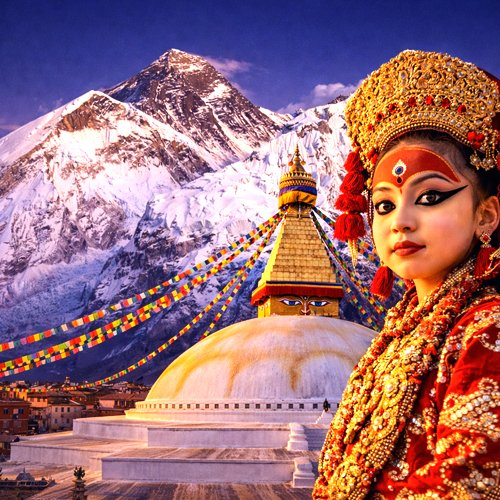
Discover South Asia: Nature, Culture & the Himalayas
Journey into the Himalayas through Nepal, Tibet, Bhutan, and India — where breathtaking nature, ancient heritage, and vibrant cultures come together to create unforgettable adventure travel experiences. Explore dramatic mountain landscapes, sacred temples, and timeless villages while trekking legendary Himalayan trails and discovering diverse cultural traditions shaped by history and spirituality. South Asia offers culture, monasteries, and majestic Himalayan peaks.