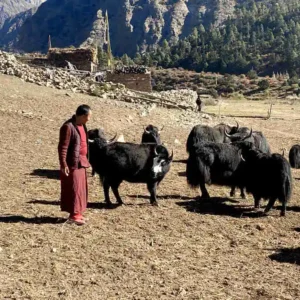
The Upper Dolpo Trek is one of Nepal's most spectacular and least-explored Himalayan adventures, offering an extraordinary journey through pristine wilderness, ancient Tibetan Buddhist culture, and dramatic high mountain landscapes. This 23-day remote camping trek in Nepal takes you deep into the restricted region of Upper Dolpo, where crystal-clear lakes, centuries-old monasteries, traditional villages, and breathtaking Himalayan passes create one of the world's most authentic trekking experiences.
The Upper Dolpo Trek leads into a hidden Himalayan world where breathtaking landscapes, ancient Tibetan culture, and centuries-old traditions remain beautifully preserved. Situated in the far-western Himalayas, Upper Dolpo is a restricted area that was closed to international visitors until the early 1990s. Even today, only a limited number of trekkers visit each year, making this one of the most exclusive and rewarding trekking experiences in Nepal.
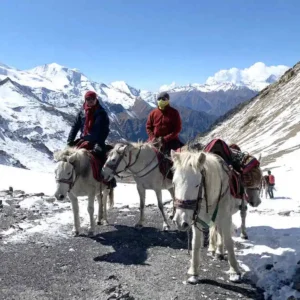
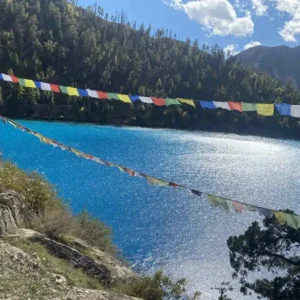
Unlike the popular Everest Base Camp Trek or Annapurna Circuit, the Upper Dolpo Trek follows quiet trails through isolated valleys where life continues much as it has for centuries. Traditional stone villages, Buddhist monasteries, prayer flags, mani walls, yak caravans, and welcoming local communities offer an authentic glimpse into a Himalayan culture deeply influenced by Tibet. The region's isolation has helped preserve its unique heritage, making Upper Dolpo one of Nepal's most culturally significant trekking destinations.
Your adventure begins with a scenic flight from Kathmandu to Nepalgunj, then onward to Juphal, the gateway to the Dolpo region. From Juphal, the trail descends to Dunai, the administrative headquarters of Dolpo, before gradually entering the magnificent landscapes of Shey Phoksundo National Park. As Nepal’s largest national park, this protected area is renowned for its spectacular mountain scenery, diverse ecosystems, rare wildlife, and exceptional natural beauty.
The trail passes through dense pine forests, juniper woodlands, deep river gorges, cascading waterfalls, alpine meadows, barren cliffs, and wide glacial valleys. Each day reveals a new landscape, making the trek both visually rewarding and physically engaging. As the altitude increases, lush green forests gradually give way to dramatic high-altitude deserts that resemble the Tibetan Plateau.
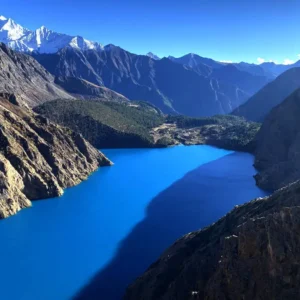
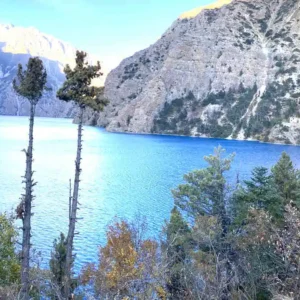
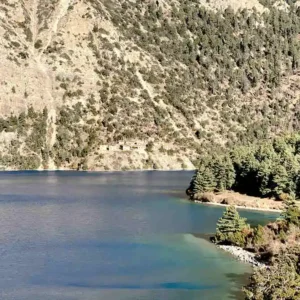
One of the greatest highlights of the journey is breathtaking Phoksundo Lake, famous for its brilliant turquoise waters and dramatic setting beneath towering cliffs. Considered one of Nepal’s most beautiful alpine lakes, Phoksundo captivates visitors with its crystal-clear water, peaceful atmosphere, and untouched surroundings. Ringmo Village, located above the lake, offers an excellent opportunity to experience local hospitality while enjoying panoramic views of this extraordinary natural wonder.
Beyond Phoksundo Lake, the route enters the restricted heart of Upper Dolpo, where the landscape becomes even more remote and spectacular. Ancient trade routes once used by Tibetan merchants still connect isolated settlements that have remained largely unchanged for generations. Here, trekkers encounter genuine Himalayan hospitality while discovering one of the world's last surviving mountain cultures.
The spiritual heart of the region is Shey Gompa, one of western Nepal's oldest and most sacred Buddhist monasteries. Built beneath the impressive Crystal Mountain, Shey Gompa has served as a major religious center for centuries and continues to attract pilgrims from Dolpo and neighboring Tibetan communities. Visiting this remarkable monastery offers deep cultural insight and a profound sense of peace, all framed by dramatic Himalayan scenery.
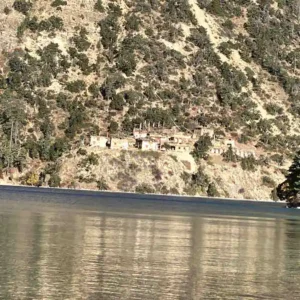
Continuing through Upper Dolpo, the trail reaches Dho Tarap, one of Nepal's highest permanently inhabited villages. Surrounded by vast alpine meadows and snow-covered peaks, this traditional settlement reflects the enduring lifestyle of the Dolpo people. Stone-built homes, cultivated fields, yak pastures, colorful monasteries, and welcoming local residents create unforgettable cultural encounters throughout the journey.
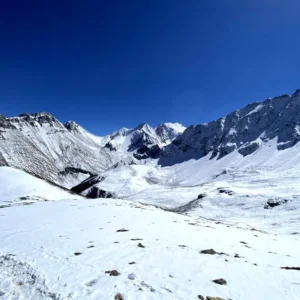
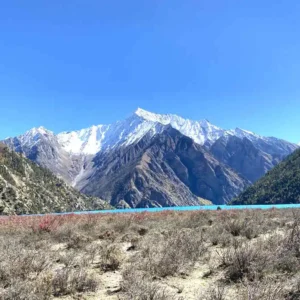
The Upper Dolpo Trek is also renowned for its challenging high mountain passes. Trekkers cross Kang La Pass (5,360 m), Sele La Pass, and Jyanta La Pass, each offering magnificent panoramic views of the Dhaulagiri range, Kanjirowa Himal,the Tibetan Plateau, and countless snow-capped peaks. These crossings are physically demanding but reward every step with unforgettable Himalayan scenery.
Unlike many trekking routes in Nepal, Upper Dolpo remains a fully supported camping trek. There are very few teahouses beyond the lower villages, making camping an essential part of the experience. A professional support team carries camping equipment, prepares fresh meals, and manages daily logistics, allowing trekkers to focus entirely on the adventure. Sleeping beneath clear Himalayan skies while surrounded by complete wilderness creates memories that few destinations in the world can match.
The Upper Dolpo Trek is ideal for experienced trekkers with good physical fitness and a strong spirit of adventure. Long walking days, high altitude, remote conditions, and multiple mountain passes require preparation and determination. However, the rewards are exceptional. Each day offers dramatic scenery, genuine cultural encounters, peaceful trails, and a rare sense of exploration that has become increasingly difficult to find elsewhere in the Himalayas.
Spring and autumn are the best seasons for the trek, offering stable weather, clear mountain views, and comfortable trekking conditions. Interestingly, Upper Dolpo lies within the Himalayan rain shadow, making it one of the few regions where trekking during parts of the summer monsoon is still possible under favorable conditions.
The Upper Dolpo Trek is much more than a mountain holiday. It is a journey into one of the last hidden Himalayan frontiers, where nature, culture, and spirituality exist in remarkable harmony. From the turquoise waters of Phoksundo Lake and the sacred walls of Shey Gompa to the remote villages of Dho Tarap and the spectacular Himalayan passes, every stage of the journey tells a story of adventure, discovery, and timeless tradition.
For travelers seeking an authentic wilderness expedition far from crowded trekking routes, the Upper Dolpo Trek offers an experience unlike any other in Nepal. Combining pristine landscapes, rich Tibetan Buddhist heritage, remote camping, high mountain adventure, and warm local hospitality, this unforgettable route remains one of the ultimate trekking experiences in the Himalayas.
Why Choose the Upper Dolpo Trek?
✓ One of Nepal’s most exclusive restricted area treks
✓ Visit the turquoise Phoksundo Lake – Nepal’s deepest and most beautiful alpine lake
✓ Explore the sacred Shey Gompa – one of western Nepal’s oldest Buddhist monasteries
✓ Cross Kang La Pass (5,360m) for breathtaking Himalayan views
✓ Experience authentic Dolpo culture and centuries-old Tibetan traditions
✓ Camping trek with professional support staff and expert guides
✓ Remote wilderness with no crowded trails unlike Everest or Annapurna
✓ Trek through Shey Phoksundo National Park – Nepal’s largest national park
Ready to explore Nepal’s hidden paradise? Book your Upper Dolpo Trek now or chat with our trek experts for personalized advice.
THE UPPER DOLPO EXPERIENCE
The Upper Dolpo Trek is not simply another Himalayan trekking route—it is a rare opportunity to experience one of the world’s last truly untouched mountain regions. While famous destinations such as Everest Base Camp and the Annapurna Circuit welcome thousands of trekkers each year, Upper Dolpo remains remarkably quiet, preserving its authentic character, rich traditions, and pristine natural environment. For travelers seeking genuine adventure rather than crowded trails, Upper Dolpo offers an experience that few places on Earth can match.
EXTRAORDINARY REMOTENESS
Located in western Nepal, Upper Dolpo lies far beyond the reach of roads and modern development. Days may pass without encountering other trekking groups, allowing you to enjoy complete immersion in nature. The peaceful trails, dramatic landscapes, and uninterrupted mountain scenery create a sense of exploration that has largely disappeared from many popular trekking destinations.
RICH TIBETAN BUDDHIST CULTURE
Upper Dolpo is one of Nepal’s most culturally fascinating regions. Because of its geographical isolation, the local people have preserved centuries-old Tibetan Buddhist traditions, language, architecture, customs, and spiritual practices. Walking through ancient villages such as Dho Tarap and visiting sacred monasteries like Shey Gompa offers a unique opportunity to witness a living Himalayan culture that has remained largely unchanged for generations.
DIVERSE AND SPECTACULAR LANDSCAPES
The landscapes encountered during the Upper Dolpo Trek are equally diverse and spectacular. The route passes through dense pine forests, narrow river valleys, roaring waterfalls, alpine meadows, dramatic sandstone cliffs, high-altitude deserts, glacier-fed rivers, and snow-covered mountain passes. Every day introduces a completely different environment, making the journey continually exciting and visually rewarding.
MAGNIFICENT PHOKSUNDO LAKE
One of the greatest highlights is the magnificent Phoksundo Lake. Its vibrant turquoise water, surrounded by towering cliffs and snow-capped mountains, creates one of the most iconic landscapes in Nepal. Spending time beside this remarkable lake provides a peaceful contrast to the demanding trekking days and remains one of the most memorable moments of the entire expedition.
CHALLENGING HIGH PASSES
Adventure seekers will appreciate the physical challenge of crossing Kang La Pass, Sele La Pass, and Jyanta La Pass. These high Himalayan crossings provide spectacular panoramic views while adding a true expedition atmosphere to the journey. Successfully completing these passes brings an immense sense of achievement that few trekking routes can equal.
FULLY SUPPORTED CAMPING EXPEDITION
Unlike teahouse trekking, the Upper Dolpo Trek is a fully supported camping expedition. This allows access to remote areas where permanent accommodation simply does not exist. Professional cooks prepare fresh meals each day, experienced guides lead the route, and dedicated support staff manage camp operations, creating a comfortable yet authentic wilderness experience.
SHEY PHOKSUNDO NATIONAL PARK
Nature lovers will appreciate trekking through Shey Phoksundo National Park, an internationally important conservation area. The park protects rare Himalayan wildlife including the elusive snow leopard, blue sheep, Himalayan wolf, musk deer, Himalayan tahr, and numerous species of birds.
Ready for the adventure of a lifetime? Book now and secure your spot for the 2026/27 season. Limited seats available!
UPPER DOLPO TREK ROUTE OVERVIEW
The Upper Dolpo Trek follows a spectacular circular route through one of Nepal's most remote Himalayan landscapes, combining pristine wilderness, traditional mountain villages, sacred monasteries, and dramatic high-altitude passes. Every stage of the journey has been carefully designed to allow gradual acclimatization while maximizing opportunities to experience the region's extraordinary natural beauty and rich cultural heritage.
Best Time for Upper Dolpo Trek
Upper Dolpo lies in the Himalayan rain shadow north of the Dhaulagiri massif, making it significantly drier than Everest, Annapurna, or Langtang regions. This unique geography allows trekking even during the summer monsoon months when other areas are washed out.
For the best overall experience, plan your trek in May or October. These months offer the perfect balance of stable weather, clear mountain views, and comfortable temperatures. May brings blooming alpine flowers and lush green valleys, while October delivers crystal-clear skies and crisp mountain air — ideal for photography.
Upper Dolpo Trek Difficulty & Fitness
Think you're ready for Nepal's ultimate wilderness challenge? The Upper Dolpo Trek isn't just another Himalayan hike—it's a full-blown expedition through one of the most isolated corners on Earth. No teahouses. No shops. No shortcuts. Just you, your boots, and three weeks of raw, untamed mountain beauty.
Difficulty Level: Challenging to Strenuous – This trek is not for beginners. You'll walk 5 to 8 hours daily over loose rocks, steep passes, and rugged terrain. The biggest test comes at Kang La Pass (5,360 meters) , where the thin air makes every step a struggle. That's why previous high-altitude experience is mandatory, not optional.
Fitness Requirements: You need excellent physical fitness – mountain-fit, not just gym-fit. Strong cardiovascular endurance, comfort on uneven trails, and mental resilience to handle isolation and basic camping conditions are all essential.
Why it's worth it: Picture yourself beside turquoise alpine lakes, walking through ancient Buddhist villages untouched for centuries, and staring at Himalayan peaks few outsiders have ever seen. This is Dolpo – raw, authentic, and unforgettable.
Who should go: Experienced trekkers with strong endurance, a positive attitude, and a hunger for real adventure. Beginners – train harder and come back next year.
Ready for the challenge? Upper Dolpo won't go easy on you. But that's exactly what makes it life-changing.
Trip Highlights
-
Embark on a 23-day extraordinary expedition into the remote and untouched Upper Dolpo region of Nepal
-
Explore a restricted Himalayan area opened to trekkers only since the early 1990s, offering rare and exclusive access
-
Experience a fully supported camping trek through one of Nepal's most isolated wilderness regions
-
Witness the stunning turquoise beauty of Phoksundo Lake, Nepal's deepest alpine lake
-
Trek through Shey Phoksundo National Park, home to rare wildlife like snow leopard and Himalayan wolf
-
Visit the sacred Shey Gompa, an ancient and highly revered Buddhist monastery
-
Immerse in authentic Tibetan Buddhist culture, remote villages, monasteries, and ancient traditions
-
Conquer high Himalayan passes including Kang La (5,360 m) , Sele La, and Jyanta La with panoramic views
-
Follow ancient Tibetan trade routes through dramatic landscapes, from forests to high-altitude deserts