
The tour itinerary is thoughtfully curated with special attention to travel flow, sightseeing balance, seasonal conditions, and guest comfort to ensure a smooth and enriching journey across North India. While every effort is made to follow the planned schedule, minor adjustments may occasionally be required due to weather conditions, road or rail operations, monument regulations (including the Taj Mahal closure on Fridays), wildlife park rules, safety considerations, or other local circumstances beyond our control.
Please note that the Taj Mahal remains closed every Friday. The itinerary is planned to avoid Friday visits whenever possible; however, if arrival in Agra falls on a Friday, alternative sightseeing or outer-view experiences will be arranged, and the Taj Mahal visit will be scheduled for the following day, preferably early morning. Our licensed local guides and operational team reserve the right to make necessary itinerary adjustments to ensure safety, comfort, and the best possible travel experience, with suitable alternatives arranged whenever required.
Trip Facts
-
Delhi
-
Delhi
-
October to March
-
Hotel & Resort
-
Private Vehicle
-
Overland
-
598 Meters
-
Breakfast & Dinner
-
English, Spanish
-
02-25 People
-
Permits Included
-
Fully Guided Tour
Trip Overview
This 18-day journey across North India is designed as a slow, layered exploration of Rajasthan and its surrounding regions, where power, faith, trade, and nature have shaped everyday life for centuries. Rather than presenting destinations as isolated highlights, the itinerary follows a natural geographic and cultural progression, allowing travelers to understand how landscapes, cities, and traditions connect.
The journey begins in Delhi, a city built and rebuilt across multiple eras. Here, medieval streets, Mughal monuments, colonial planning, and modern infrastructure exist side by side. Exploring both Old and New Delhi offers an immediate sense of India’s complexity, where continuity and change unfold within the same urban space.
From the capital, travel moves into the lesser-visited Shekhawati region, an area shaped not by kings alone but by merchant communities who invested their wealth in art and architecture. In Mandawa, painted havelis preserve scenes of religion, commerce, and social life, forming an open-air archive of regional history. The fort overlooking the town reflects the authority structures that once governed trade routes across the desert.
As the route continues west, the environment becomes drier and more austere. Bikaner reflects this adaptation, with its fortified architecture and compact urban form. The Junagarh complex, built on open ground rather than a hilltop, demonstrates a different approach to defense and royal display. Surrounding neighborhoods reveal how traditional desert cities balanced protection, commerce, and daily life.
Further west lies Jaisalmer, where habitation has always depended on location and resilience. The fortified town functions not as a monument but as a living settlement, with homes, temples, and workshops operating within ancient walls. Beyond the city, the desert landscape introduces a quieter rhythm shaped by mobility, oral traditions, and seasonal movement.
The journey then turns east toward Jodhpur, where elevation once defined power. The massive fort above the city dominates the surrounding plains, while the residential quarters below reflect centuries of urban continuity. Markets and craft traditions remain active, reinforcing the connection between heritage and present-day livelihoods.
Moving south, the landscape shifts again with the arrival in Udaipur. Water, rather than desert, becomes central to life here. Palaces, courtyards, and ceremonial spaces were designed around lakes, revealing how geography influenced royal planning. The pace slows, offering space for reflection and contrast after the harsher desert regions.
A quieter pause follows in Pushkar, a town shaped more by ritual than rule. Daily life revolves around the lake and temples, with spiritual practice integrated into routine activity. This stop introduces a non-royal perspective on Indian history, grounded in belief and continuity rather than conquest.
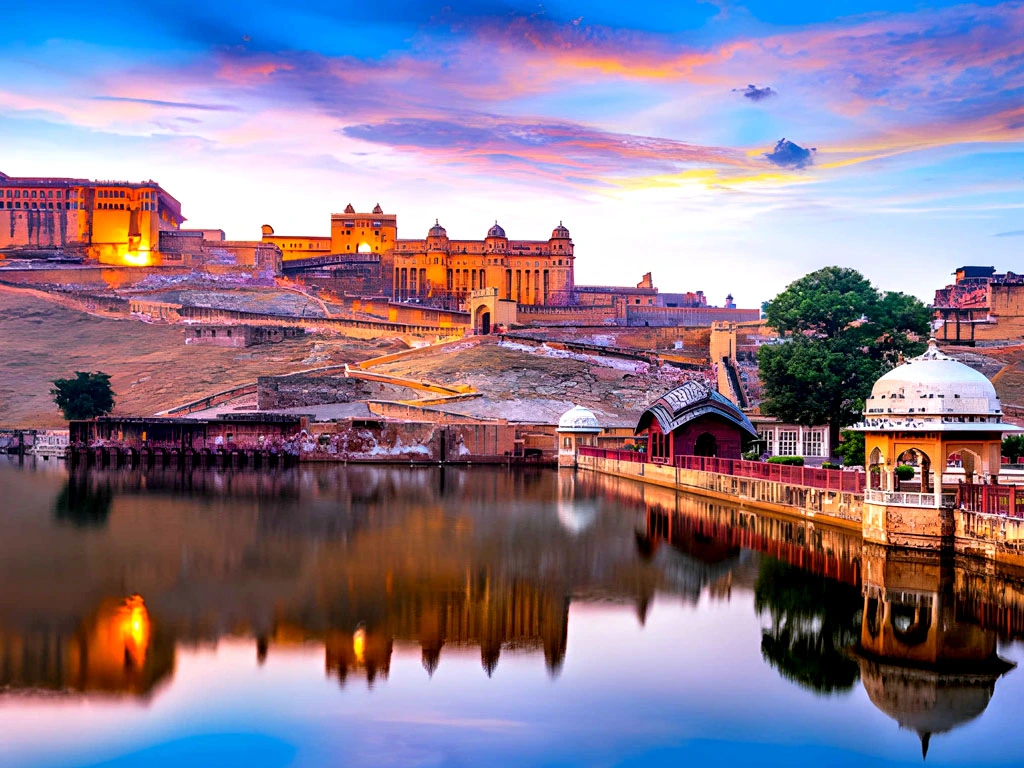
The route then leads to Jaipur, a city planned with intent rather than organic growth. Its layout, architecture, and institutions reflect an attempt to organize power, science, and commerce within a single urban vision. Forts, palaces, observatories, and markets together illustrate how governance, knowledge, and craftsmanship were closely linked.
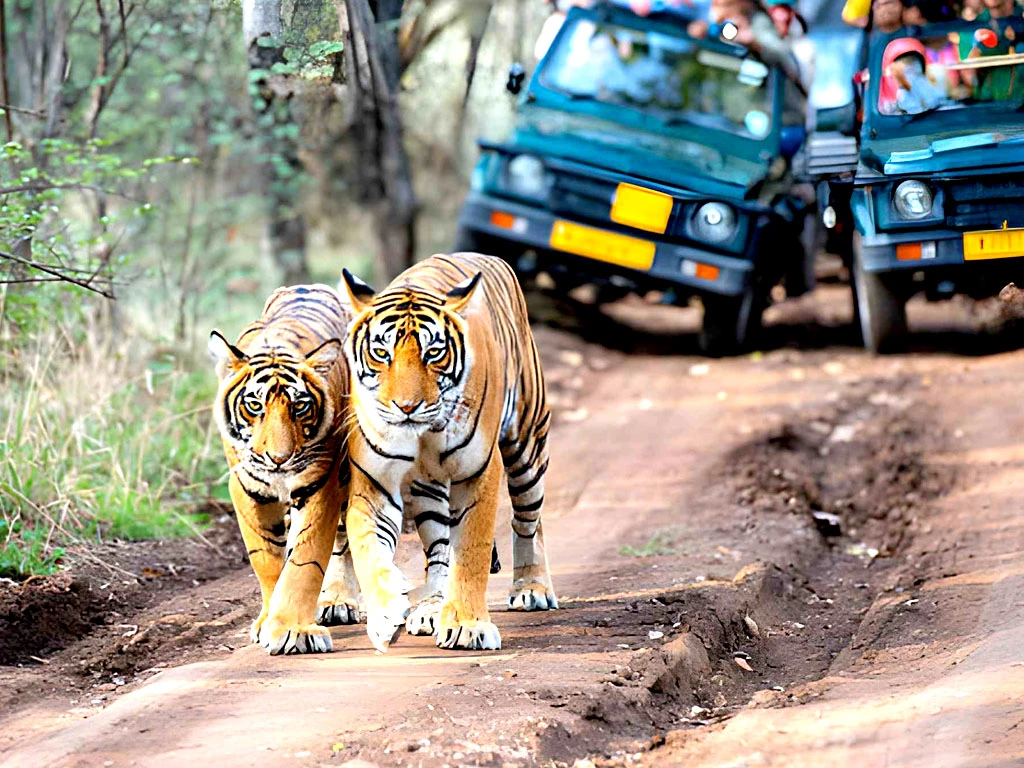
Nature becomes the focus at Ranthambore, where forest, stone ruins, and wildlife share the same space. The park’s landscape reflects long cycles of use, abandonment, and conservation. Safaris offer the possibility—not the promise—of wildlife encounters, emphasizing observation and patience rather than spectacle.
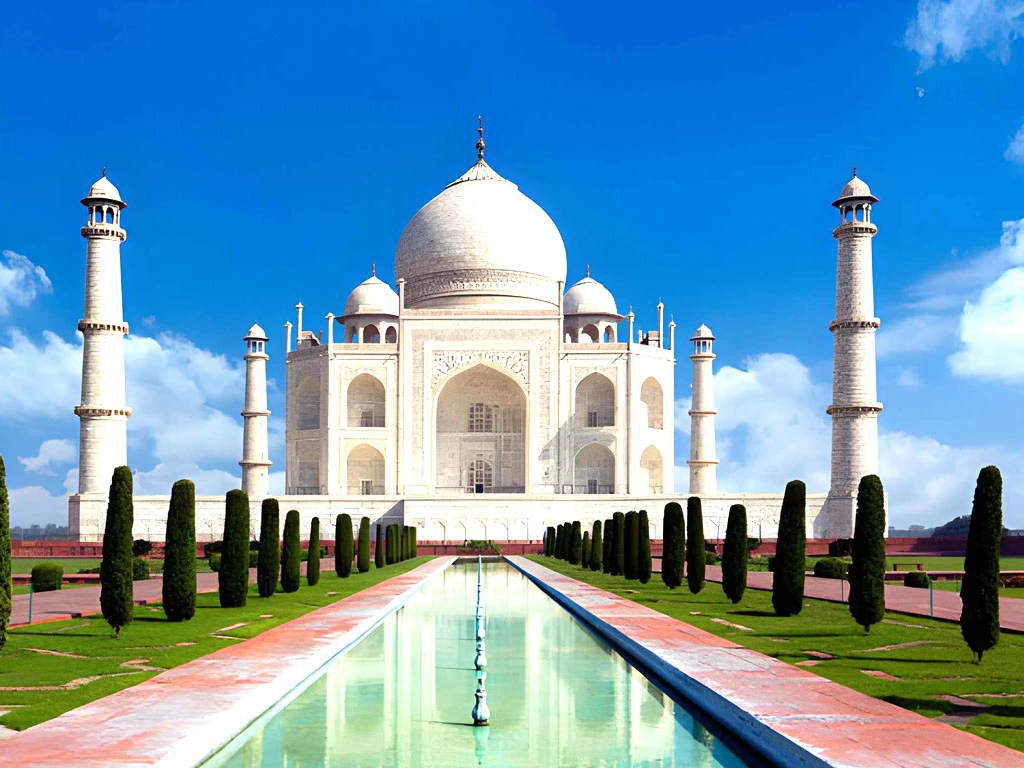
The journey concludes in Agra, where Mughal architecture expresses a different imperial language. The Taj Mahal, approached after days of regional context, is experienced not as an isolated icon but as part of a broader historical narrative. Nearby forts and structures add depth to this final chapter.
Overall, the Royal Rajasthan Tour with Taj Mahal & Ranthambore Safari is designed for travelers who value context over checklists. By combining varied regions, changing environments, and different historical perspectives, the itinerary presents North India as a living continuum rather than a sequence of attractions.
Trip Highlights
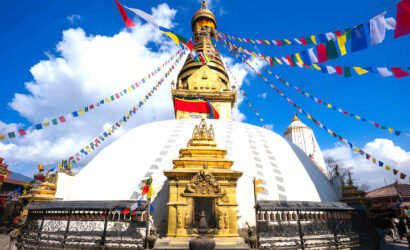
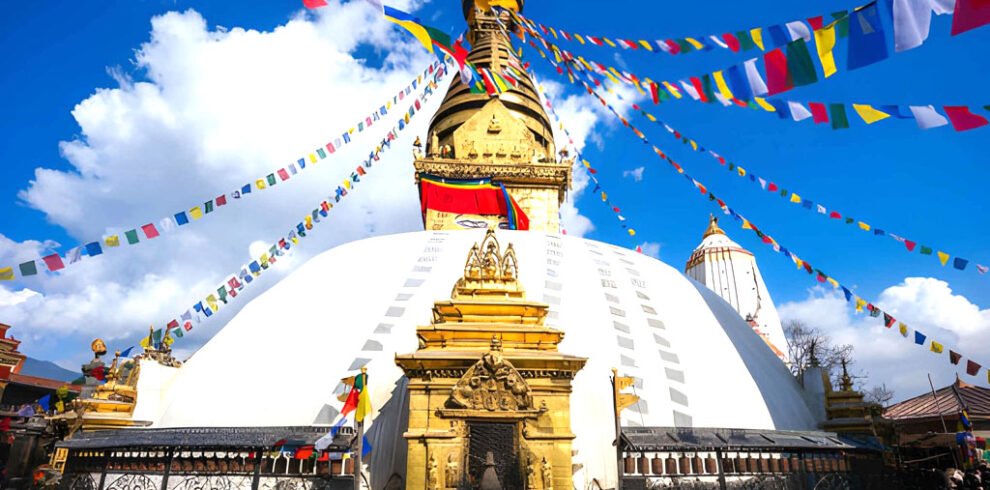
- Explore Kathmandu Valley UNESCO sites, including Boudhanath, Pashupatinath, and Swayambhunath, revealing Nepal’s living Hindu–Buddhist heritage.
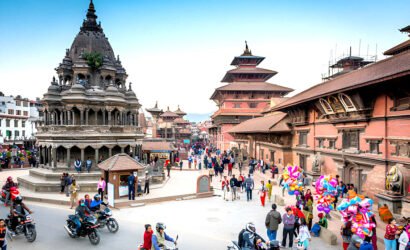
- Kathmandu Durbar Square – Explore the historic heart of the city, where ancient palaces, pagoda-style temples, and royal courtyards reveal Nepal’s royal history, living traditions, and the sacred residence of the Living Goddess Kumari.
- Bhaktapur – Wander through a beautifully preserved medieval city renowned for its Newari architecture, traditional craftsmanship, and timeless urban culture.
- Travel at a comfortable cultural pace, with balanced distances, gentle activities, and scenic drives designed for insight, not physical challenge.


Write a Review