


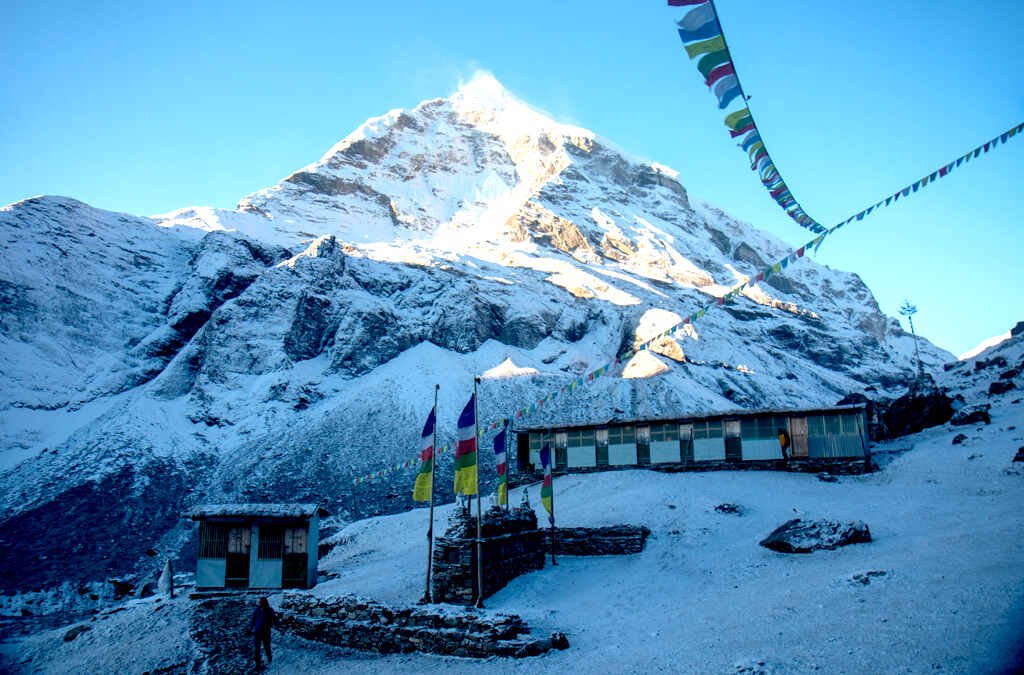
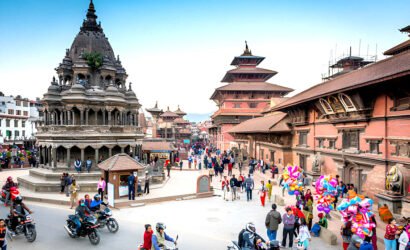
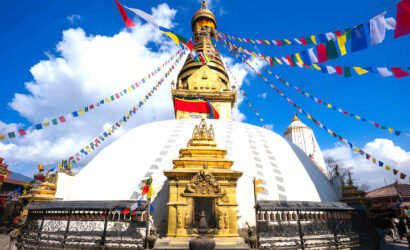
Makalu Base Camp Trek is one of Nepal’s most pristine off-the-beaten-path Himalayan adventures, offering a perfect blend of remote wilderness trekking, cultural discovery, breathtaking mountain vistas, and unspoiled natural beauty in Nepal’s eastern Himalaya. The journey begins in Kathmandu, where travelers experience rich Nepalese culture, ancient temples, and UNESCO World Heritage Sites before flying toward the towering peaks of the Khumbu and Makalu regions.
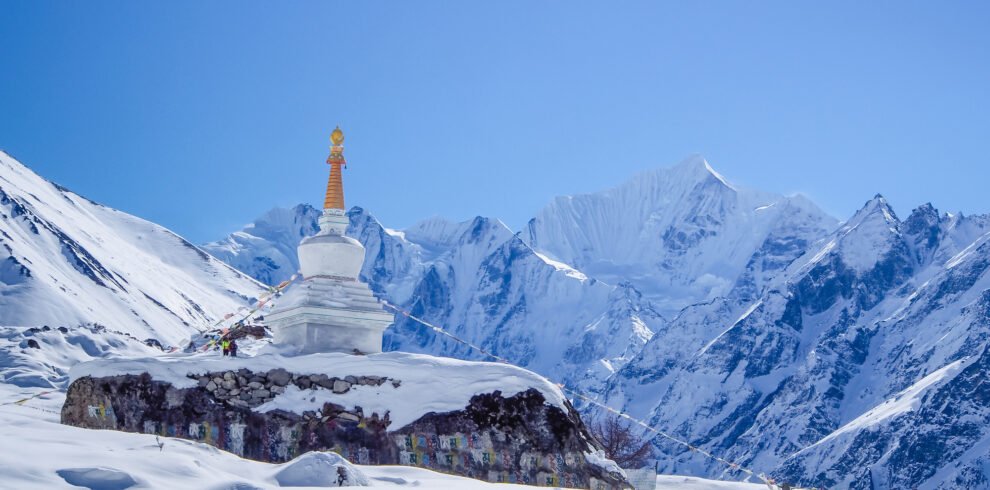
Trekking through the Makalu Barun National Park, the homeland of the Sherpa, Rai, and Limbu peoples, visitors gain insight into authentic Himalayan traditions, Tibetan-influenced Buddhism, prayer flags, mani walls, and historic settlements such as Tashigaon and Kharka Village. Surrounded by dense rhododendron forests, cascading rivers, and dramatic mountain scenery, the trail leads first to the remote Barun Valley and the spectacular viewpoint of Tutu La before continuing toward Makalu Base Camp (Imja Tse) , set among towering Himalayan giants—including Everest, Lhotse, and Kanchenjunga—making this journey an unforgettable Nepal trekking holiday that combines culture, nature, wilderness, and high-altitude adventure in one of the most isolated and treasured corners of the Himalaya.
ℹ️ Price Information
The displayed price is per person, based on a group of 5–8 travelers. Exact pricing may vary depending on your selected departure date and group size. Please see the Scheduled Departures & Group Discounts section below for available departure dates and the applicable discounted group rates.
Trip Information
-
Kathmandu
-
Kathmandu
-
Spring & Autumn
-
Hotel & Lodge
-
Car, Jeep & Plane
-
5213 Meters
-
Meals on Trek
-
English, Spanish
-
01-12 People
-
All Trek Permits
-
Fully Guided Tour
-
NHT-275
Trip Overview
Makalu Base Camp Trek Nepal is one of the most pristine Himalayan trekking adventures, offering a perfect blend of remote wilderness, rich Sherpa culture, and breathtaking mountain scenery in Nepal’s eastern Himalaya. The journey begins in Kathmandu, where travelers explore ancient temples and UNESCO World Heritage Sites before flying toward the towering peaks of the Khumbu and Makalu regions.
Trekking through Makalu Barun National Park, the homeland of the Sherpa, Rai, and Limbu peoples, visitors experience authentic Himalayan traditions, prayer flags, mani walls, and historic villages like Tashigaon and Kharka. Surrounded by dense rhododendron forests, glacial rivers, and dramatic mountain views, the trail leads through the remote Barun Valley and over Tutu La pass before reaching Makalu Base Camp (5,150m) — set among Himalayan giants including Everest, Lhotse, and Kanchenjunga — making this journey an unforgettable Nepal trekking holiday that combines culture, nature, wilderness, and high-altitude adventure in one of the most isolated corners of the Himalaya.
The Makalu Base Camp Trek covers approximately 160 to 180 kilometers round trip, with 5 to 7 hours of walking each day over 18 to 22 days. This trek calls for strong physical fitness and a good grasp of high-altitude challenges, with trails pushing past 5,000 meters over rough, steep ground that puts stamina and determination to the test. The best seasons to undertake this trek are spring from March to May and autumn from September to November, when the skies are clear, temperatures are mild, and the mountain views are at their most spectacular. Winter treks from December to February are possible but bring cold temperatures and snow, while the monsoon season from June to August is generally avoided due to heavy rainfall, landslides, and challenging trail conditions.
Permits required for the trek include the Makalu Barun National Park Entry Permit costing approximately USD 30 for SAARC nationals and USD 50 for foreign nationals, along with the TIMS card costing around USD 10 to 20. These permits are easily arranged in Kathmandu, either directly at the Nepal Tourism Board office or through any licensed trekking company in the city. Accommodation along the trail ranges from basic teahouses and lodges in the lower regions to tented camping at higher altitudes, with meals featuring traditional Nepali dal bhat, Tibetan bread, noodles, soups, and hot beverages to keep trekkers energized and warm throughout the journey. Trekkers should budget approximately USD 30 to 50 per day for food and accommodation, and USD 25 to 35 per day for a guide, with porters costing around USD 15 to 25 per day.
The trek winds through a living sanctuary of Himalayan wildlife, where the forests and alpine slopes shelter elusive creatures like the red panda foraging in bamboo thickets, the snow leopard stalking high craggy ridges, the Himalayan black bear roaming remote valleys, and the musk deer leaving faint traces along hidden trails. Every bend in the path brings something new — a flash of fur, a distant call, or the simple wonder of being surrounded by such untamed natural beauty — making the journey as much about wildlife discovery as it is about mountain scenery and cultural encounters.
Altitude acclimatization is crucial on the Makalu Base Camp Trek, with proper rest days incorporated to help trekkers adjust to the thinning air and reduce the risk of altitude sickness. Staying hydrated, walking at a steady pace, and following the “walk high, sleep low” principle are essential practices for a safe and successful journey to the base camp at 5,150 meters. The risk of Acute Mountain Sickness (AMS) is real, and trekkers should be aware of symptoms including headache, nausea, dizziness, and fatigue — descending immediately is the only cure for severe cases.
The trekking route offers spectacular viewpoints such as Tutu La, Shipton La, and Keke La, each providing sweeping panoramas of the eastern Himalaya’s greatest peaks. The Barun Valley, often described as one of the most beautiful and untouched valleys in Nepal, captivates trekkers with its pristine glaciers, cascading waterfalls, and alpine meadows bursting with colorful wildflowers during the spring season.
No one should attempt this trek without proper travel insurance — it must include helicopter rescue and cover altitudes up to 6,000 meters, as emergency evacuation from remote areas can cost thousands of dollars. Emergency evacuation is available via helicopter from most points along the trail, but costs can range from USD 3,000 to 5,000, making insurance non-negotiable. Hiring an experienced local guide and porter is highly recommended, as they provide invaluable navigation support, cultural insights, and assistance with carrying heavy loads, allowing trekkers to fully immerse themselves in the experience.
Getting to the trailhead requires a flight from Kathmandu to Tumlingtar, which takes about 45 minutes, followed by a drive to Khadbari of approximately 3 to 4 hours. Flights to Tumlingtar are weather-dependent and can be delayed, so trekkers should build in buffer days in their itinerary. Mobile network coverage is available in lower villages but becomes limited or non-existent above 3,500 meters, with Wi-Fi available at some lodges for an additional fee. Electricity for charging is available at teahouses for a small cost, though solar power is unreliable at higher altitudes, so carrying a power bank is strongly advised.
Drinking water is available from streams and taps along the trail, but it must be treated with purification tablets, filters, or boiled before consumption, as untreated water can cause gastrointestinal issues. Trekkers should also carry cash in Nepali rupees, as there are no ATMs or credit card facilities available beyond Kathmandu — all expenses on the trail must be paid in cash.
What to bring is just as important as knowing the trail itself. Trekkers should pack layered clothing starting with thermal base wear, a cozy fleece for insulation, a thick down jacket for biting cold, and a waterproof outer shell to shield against wind and rain. Sturdy waterproof trekking boots with good ankle support are non-negotiable, along with trekking poles to ease the strain on knees during steep descents. A sleeping bag rated for sub-zero temperatures is essential for chilly nights in the mountains, while a daypack keeps daily essentials close at hand. A headlamp proves invaluable for early morning starts and dimly lit lodges, and high-SPF sunscreen and UV-blocking sunglasses protect against the harsh glare of the high-altitude sun. A well-stocked first-aid kit with blister care, pain relievers, and personal medications ensures trekkers can handle minor issues on their own, while spare batteries and a power bank keep devices charged when outlets are scarce.
Physical preparation is essential, and trekkers should engage in cardiovascular training such as running, swimming, or cycling for at least 3 to 4 months before the trek, along with strength training focusing on legs, core, and back, and hiking with a weighted backpack to simulate trail conditions. A pre-trek medical check-up is recommended, particularly for trekkers with pre-existing conditions, and vaccinations for hepatitis A and B, typhoid, and tetanus are advisable.
The Makalu Base Camp Trek is more than just a trek — it is a soulful journey into one of the world’s last great wilderness areas. It offers an escape from the crowds of more popular trails, providing a sense of peace, isolation, and profound connection with nature and the Himalayan spirit. For those seeking an authentic off-the-beaten-path adventure, this trek delivers an experience that is both challenging and deeply rewarding, leaving trekkers with memories that last a lifetime.
From the ancient streets of Kathmandu to the icy foot of the world’s fifth-highest mountain, the Makalu Base Camp Trek is a journey of discovery, resilience, and wonder. It is a testament to the raw beauty and cultural richness of Nepal’s eastern Himalaya, offering a rare glimpse into a world where mountains touch the sky and tradition lives on in every prayer flag and village smile.
Trip Highlights
- Trek through pristine forests home to red pandas, snow leopards, and Himalayan black bears.
- Reach Makalu Base Camp (4,870m) beneath the world's fifth-highest peak, Mount Makalu (8,485m).
- Walk through remote Sherpa, Rai, and Limbu villages rich in Tibetan Buddhist culture.
- Cross Tutu La, Shipton La, and Keke La with spectacular Himalayan mountain views.
- Explore the untouched Barun Valley with glaciers, waterfalls, alpine meadows, and wildlife.
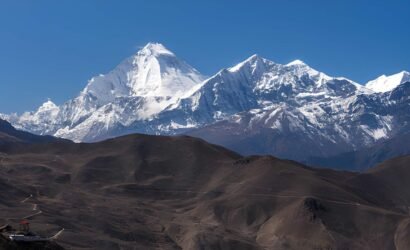
- Enjoy panoramic views of Makalu, Everest, Lhotse, Kanchenjunga, and surrounding peaks.
- Experience one of Nepal's most remote wilderness treks far from crowded mountain trails.



Write a Review