
This cultural journey through Bhutan and Nepal, titled Bhutan and Nepal – Hidden Himalayan Kingdoms and Sacred Valleys, offers a balanced introduction to the Himalayas, combining culture, spiritual heritage, and scenic valleys across two Himalayan worlds. The itinerary links Kathmandu Valley’s UNESCO-listed temples with Bhutan’s forested passes, monasteries, and traditional valleys, creating a gradual and comfortable travel rhythm. Scenic flights and overland drives reveal changing environments, from high passes to fertile river basins. Marketed as a Bhutan & Nepal Tour – Hidden Kingdoms of the Himalayas, the journey concludes in central Nepal with Pokhara’s setting and preserved hill towns.
Trip Facts
-
Kathmandu
-
Kathmandu
-
Spring & Autumn
-
Hotel & Lodge
-
Car, Jeep, & Plane
-
Overland
-
3,100 Meters
-
Breakfast Included
-
English, Spanish
-
02-25 People
-
Permits Included
-
Fully Guided Tour
Trip Overview
Bhutan and Nepal Tour – Hidden Kingdoms of the Himalayas is a carefully designed journey offering an in-depth exploration of two of the region’s most culturally rich and visually striking Himalayan destinations. Blending ancient heritage, spiritual traditions, and diverse mountain landscapes, the itinerary provides a comprehensive introduction to the Himalayas while maintaining a comfortable pace suited to culturally curious travelers. Often described as hidden Himalayan kingdoms and sacred valleys, Bhutan and Nepal together present a rare opportunity to experience living traditions shaped by geography, faith, and centuries of isolation.
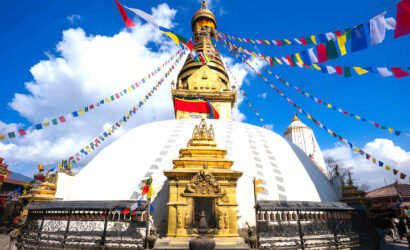
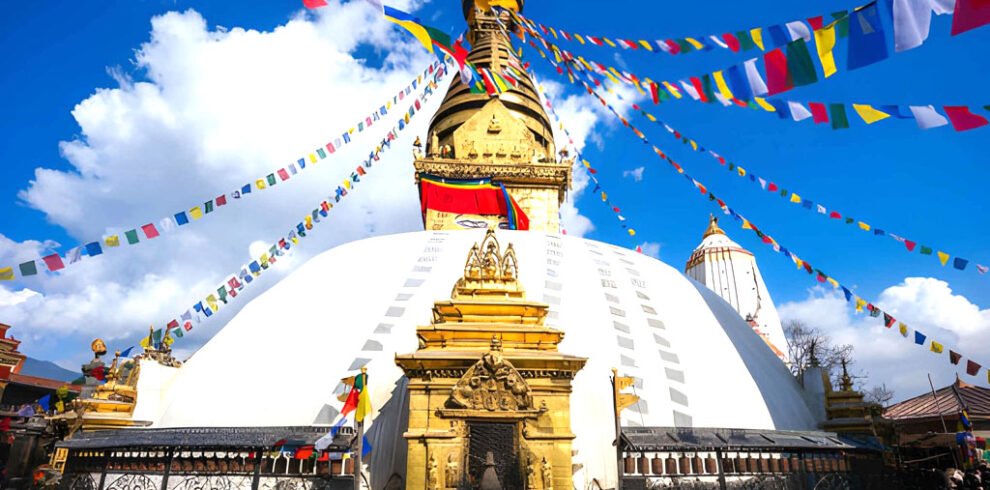
The journey begins in Nepal’s Kathmandu Valley, a historic crossroads of trade, religion, and art. Home to multiple UNESCO World Heritage Sites, Kathmandu offers an immediate immersion into Himalayan civilization. Sacred Hindu temples and monumental Buddhist stupas coexist within a compact valley, reflecting Nepal’s long tradition of religious tolerance and cultural layering. Visits to landmarks such as Boudhanath Stupa, Pashupatinath Temple, and Swayambhunath introduce travelers to rituals, architecture, and daily practices that remain central to local life.
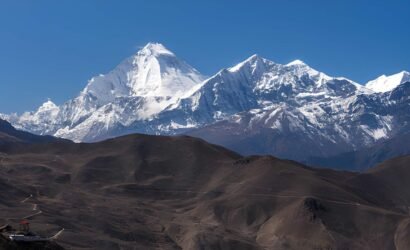
From Kathmandu, the journey transitions to Bhutan via a scenic Himalayan flight, widely regarded as one of the most spectacular in the world. Snow-covered peaks, deep river valleys, and rugged ridgelines signal entry into a country that has carefully preserved its cultural identity. Bhutan’s approach to tourism emphasizes sustainability, spiritual values, and cultural continuity, making it a unique destination within the Himalayan region. Arrival in Paro and transfer to Thimphu reveal a landscape shaped by monasteries, prayer flags, and traditional architecture.
Thimphu, Bhutan’s capital, offers insight into a society where tradition and modern governance coexist. Monasteries, memorials, and artisan centers reflect the importance of Buddhism in daily life, while the absence of traffic lights symbolizes Bhutan’s measured approach to development. From here, the journey continues across the scenic Dochula Pass, a high mountain route marked by 108 chortens and panoramic Himalayan views, descending into the fertile Punakha Valley.
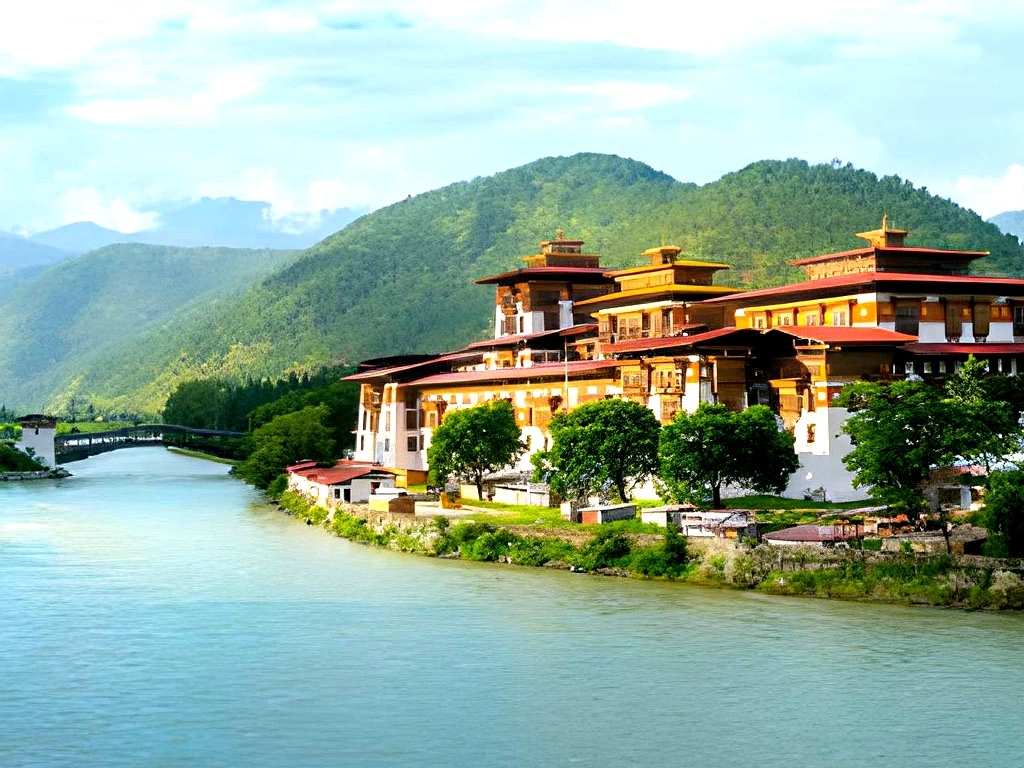
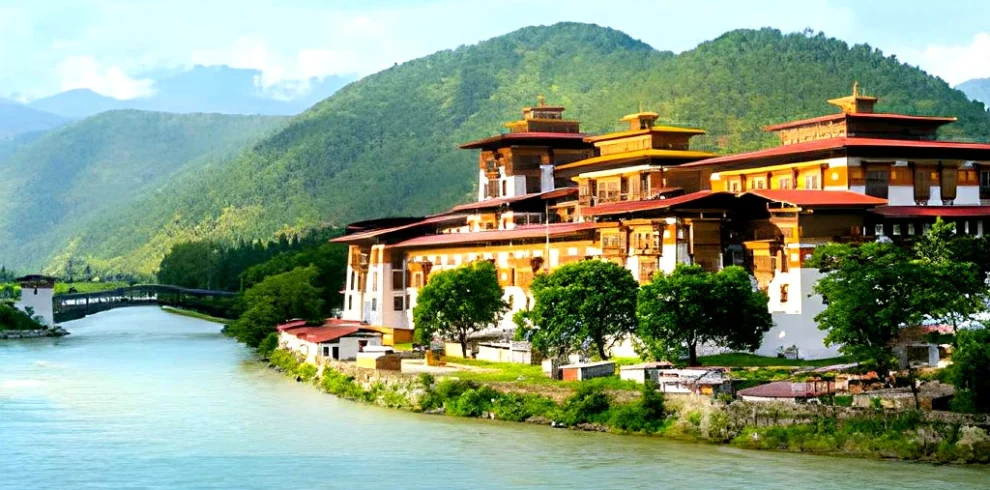
The Punakha region represents the agricultural and spiritual heart of Bhutan. The majestic Punakha Dzong, set at the confluence of two rivers, stands as one of the most important religious and administrative centers in the country. Nearby valleys such as Phobjikha (Gangtey Valley) introduce travelers to expansive glacial landscapes, traditional villages, and monastic life largely untouched by mass tourism. These sacred valleys, framed by forested hills and open meadows, embody spiritual heritage and scenic valleys across two Himalayan worlds.
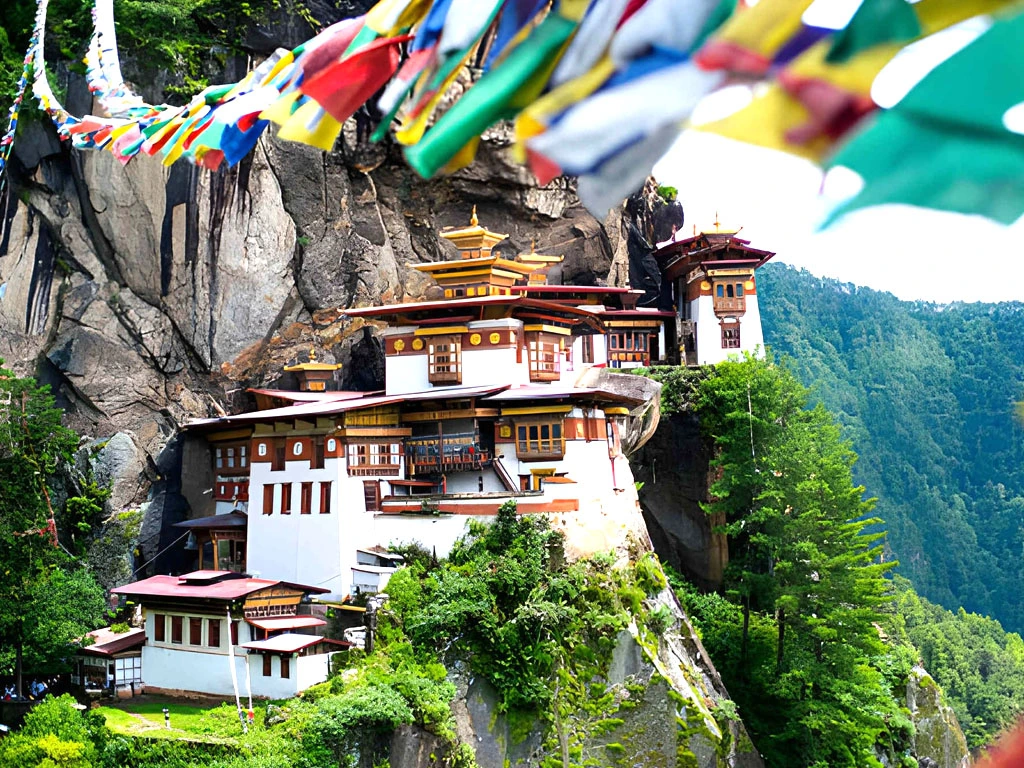
A highlight of the Bhutan segment is the hike to Taktsang Monastery (Tiger’s Nest), one of the most iconic Buddhist pilgrimage sites in the Himalayas. Perched dramatically on a cliff above the Paro Valley, the monastery offers a powerful blend of spiritual significance and natural beauty. The walk passes through pine forests and quiet viewpoints, offering both physical engagement and spiritual reflection.
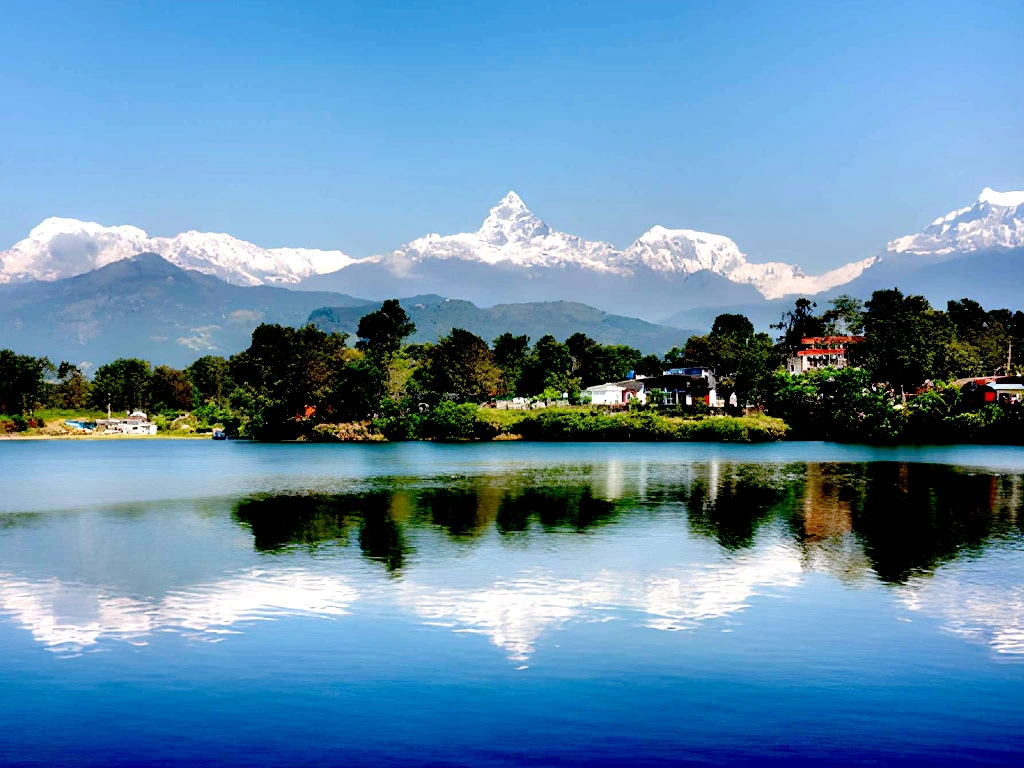
After returning to Nepal, the itinerary shifts in tone and environment. Pokhara, located beneath the Annapurna range, offers a relaxed lakeside setting and sweeping mountain views. The calm waters of Phewa Lake, combined with the hilltop World Peace Stupa, create an atmosphere of openness and reflection following the structured cultural experiences of Bhutan. This section highlights Nepal’s role as a bridge between high Himalayan terrain and accessible lowland valleys.
The journey continues to Bandipur, a preserved hilltop town known for its Newari architecture and traditional village life. Traffic-free streets, restored houses, and surrounding viewpoints provide insight into rural Nepalese heritage and slower rhythms of life. This contrast deepens the overall experience and highlights Nepal’s cultural diversity beyond its capital.
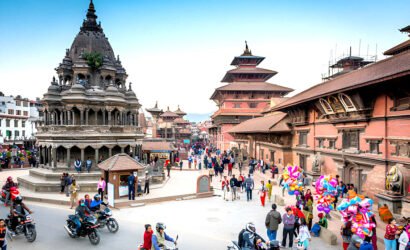
The final cultural focus is Bhaktapur, one of Nepal’s best-preserved medieval cities and a UNESCO World Heritage Site. Its temples, courtyards, and artisan neighborhoods showcase centuries of craftsmanship, urban planning, and living heritage. Pottery squares, pagoda temples, and brick-paved streets reflect traditions that remain active today.
Throughout the itinerary, travel distances, altitude changes, and activity levels are carefully balanced. Scenic flights and comfortable overland drives replace strenuous trekking, making the journey suitable for travelers seeking cultural depth rather than physical challenge. Accommodation is selected for comfort and location, while guided visits ensure meaningful engagement with local traditions and history.
Marketed as a Bhutan & Nepal Tour – Hidden Kingdoms of the Himalayas, this journey emphasizes authenticity, pacing, and cultural insight. It is not designed as a high-adventure expedition but as a thoughtful exploration of two distinct yet interconnected Himalayan cultures, delivering a rewarding experience rooted in heritage, scenery, and timeless traditions.
Trip Highlights
- Explore Kathmandu Valley UNESCO sites, including Boudhanath, Pashupatinath, and Swayambhunath, revealing Nepal’s living Hindu–Buddhist heritage.
- Enjoy a scenic Himalayan flight to Bhutan, offering breathtaking views of snow-covered peaks, deep valleys, and dramatic mountain landscapes.
- Discover Bhutan’s spiritual heart, visiting Thimphu, Punakha Dzong, and sacred valleys shaped by Buddhism, tradition, and careful preservation.
- Walk to the iconic Tiger’s Nest Monastery, set high above Paro Valley, combining forest trails, spiritual symbolism, and unforgettable scenery.
- Experience the contrast of Pokhara’s lakeside calm, with Phewa Lake and the World Peace Stupa beneath the Annapurna range.
- Wander through Bandipur and Bhaktapur, preserved hill towns and medieval cities showcasing Newari architecture and traditional craftsmanship.
- Travel at a comfortable cultural pace, with balanced distances, gentle activities, and scenic drives designed for insight, not physical challenge.


Write a Review