
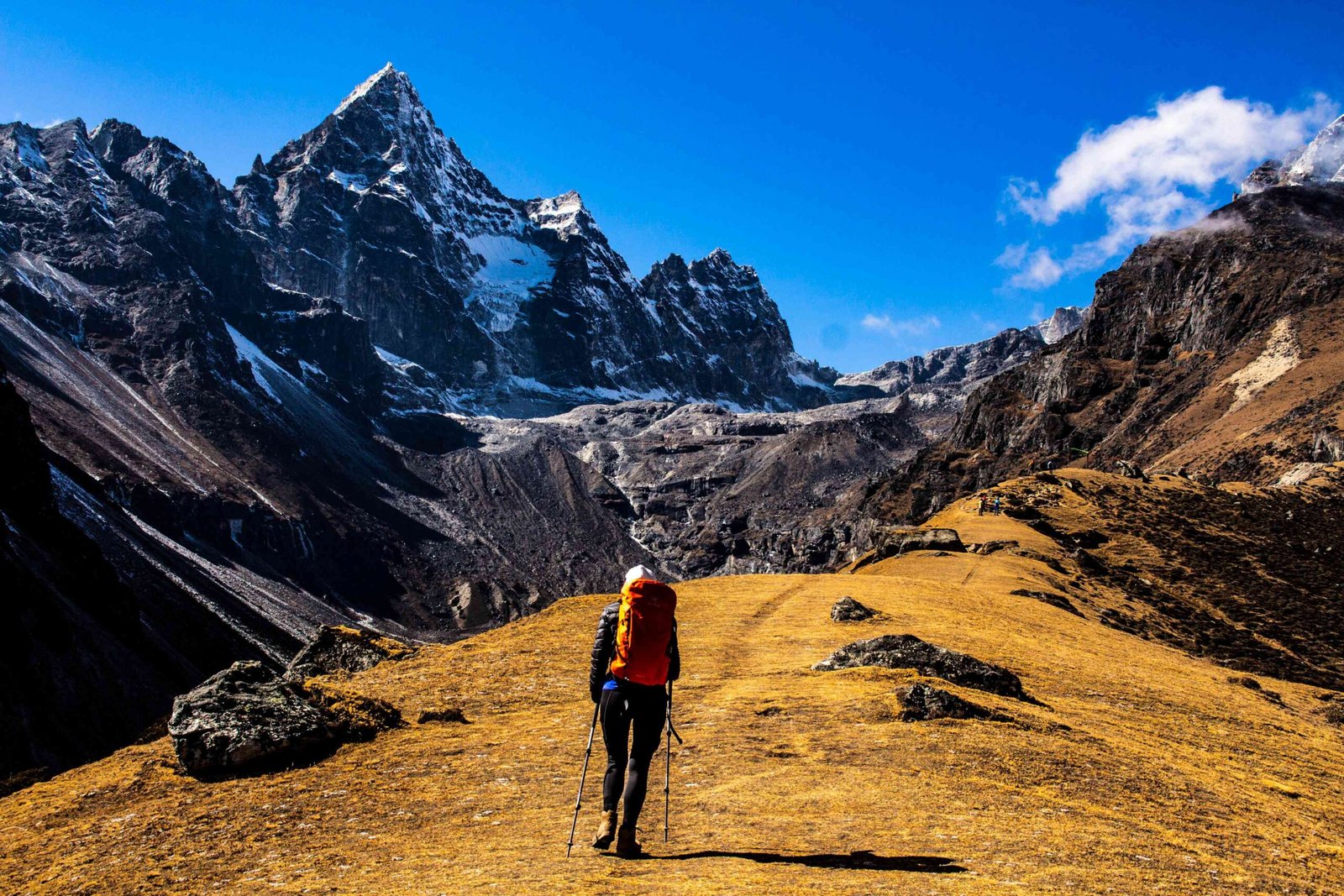
Packing correctly can make a big difference to your trekking experience in Nepal. Your packing list will depend on the trekking route, season, altitude, and duration.
Whether you’re preparing for Everest Base Camp, Annapurna, Manaslu, or Langtang, you should focus on keeping your backpack practical and avoiding unnecessary weight.
Essential Nepal Trekking Packing List
1. Clothing
Pack clothing that can be layered according to changing temperatures.
Recommended items include:
- Moisture-wicking base layers
- Trekking shirts
- Fleece or warm mid-layer
- Down or insulated jacket
- Waterproof jacket
- Trekking trousers
- Thermal underwear
- Warm hat
- Gloves
- Sun hat
Layering is particularly important because temperatures can change significantly as you gain altitude.
2. Trekking Shoes
A good pair of comfortable trekking shoes or boots is essential.
Choose footwear with:
- Good grip
- Comfortable fit
- Adequate ankle support
- Weather resistance
Always break in your trekking shoes before starting a long trek.
3. Backpack
A comfortable daypack is useful for carrying water, snacks, clothing layers, documents, and personal items.
If your trek includes porters, you can keep your main luggage separate while carrying only the essentials during the day.
4. Sleeping & Personal Items
Depending on your trekking package and accommodation, consider carrying:
- Sleeping bag
- Headlamp
- Quick-drying towel
- Water bottle
- Water purification tablets or filter
- Toiletries
- Hand sanitizer
- Small first-aid kit
5. Sun Protection
High-altitude sunlight can be intense.
Remember to pack:
- Sunglasses
- Sunscreen
- Lip balm with SPF
- Sun hat
6. Electronics
Useful electronics include:
- Phone
- Camera
- Power bank
- Charging cables
- Universal travel adapter
A headlamp is also strongly recommended for early morning starts and nighttime use.
7. Important Documents
Keep your important documents safely accessible.
These may include:
- Passport
- Travel insurance documents
- Trekking permits
- Emergency contact information
- Flight information
- Copies of important documents
8. What Not to Pack
Avoid carrying unnecessary items that add weight to your backpack.
You generally don’t need:
- Too many clothes
- Heavy shoes
- Large bottles of toiletries
- Unnecessary electronics
- Excessive food
A lighter pack can make long trekking days more comfortable.
Packing for Different Treks
Your packing requirements depend on the route.
For example, a high-altitude trek such as Everest Base Camp requires careful preparation for cold conditions and altitude.
The Annapurna Base Camp Trek is shorter but still requires appropriate layers and footwear.
For the Manaslu Circuit Trek, preparation should account for the high Larkya La Pass and changing mountain conditions.
For a shorter Himalayan adventure, the Langtang Valley Trek can require a somewhat lighter setup depending on the season.
Final Nepal Trekking Packing Checklist
Before leaving for your trek, make sure you have:
- Trekking shoes
- Comfortable backpack
- Layered clothing
- Warm jacket
- Waterproof jacket
- Gloves and hat
- Sunglasses
- Sunscreen
- Water bottle
- Headlamp
- Sleeping bag if required
- Personal medication
- First-aid supplies
- Passport and documents
- Travel insurance
- Phone and power bank
Final Thoughts
The right trekking gear should keep you warm, dry, comfortable, and prepared for changing mountain conditions.
Rather than packing everything you own, focus on lightweight, versatile equipment suited to your trekking route and season.


